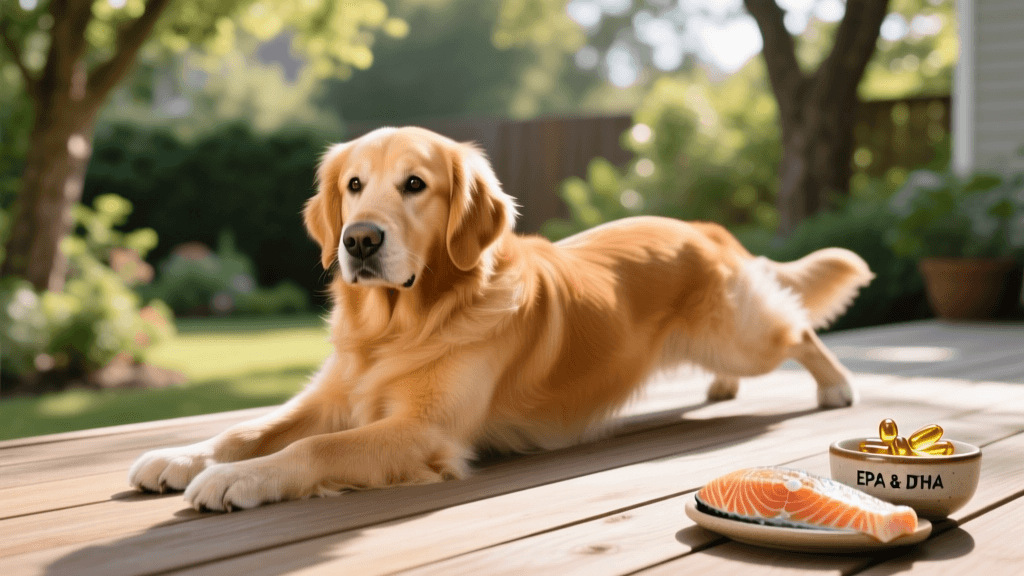
Omega-3 Fatty Acids for Dogs: Dosage, Benefits, and Sources
Discover how Omega-3 fatty acids improve your dog's joint and brain health. Learn exact EPA/DHA dosages, top sources, and what to avoid.

The Omega-3 Imperative in Modern Canine Diets
When it comes to canine nutrition, few supplements have garnered as much scientific backing and veterinary endorsement as Omega-3 fatty acids. However, the commercial pet food industry often leaves dogs with a severe nutritional imbalance. Most commercial kibble diets are heavily reliant on poultry fat, corn oil, and sunflower oil, which are exceptionally high in Omega-6 fatty acids. While Omega-6s are essential, an excessive ratio of Omega-6 to Omega-3 promotes systemic inflammation, exacerbating conditions ranging from osteoarthritis to atopic dermatitis.
To combat this, integrating targeted, high-quality Omega-3 supplementation is one of the most effective, evidence-based interventions you can make for your dog's long-term health. But not all Omega-3s are created equal, and dosing requires precision. This deep dive explores the biochemistry, therapeutic dosages, and sourcing strategies for optimizing your dog's Omega-3 intake.
The ALA Myth: Why Flaxseed Isn't Enough
A common misconception among pet owners is that plant-based Omega-3s, specifically Alpha-Linolenic Acid (ALA) found in flaxseed and chia seeds, are sufficient for dogs. The biological reality is starkly different. To provide anti-inflammatory benefits, ALA must be converted by the body into Eicosapentaenoic Acid (EPA) and Docosahexaenoic Acid (DHA).
Dogs lack the robust enzymatic pathways (specifically delta-6-desaturase) required to efficiently convert ALA into EPA and DHA. Studies indicate that the conversion rate in canines is abysmal—often less than 10%. Therefore, relying on flaxseed oil will not yield the therapeutic blood levels of EPA and DHA required to modulate inflammation or support neurological health. Marine-derived sources, or specific algal oils, are mandatory for direct EPA and DHA delivery.
Tangible Health Benefits of EPA and DHA
1. Osteoarthritis and Joint Inflammation
Osteoarthritis (OA) affects a significant portion of the aging canine population, as well as large breeds prone to dysplasia. EPA acts as a competitive inhibitor to arachidonic acid (an Omega-6), effectively down-regulating the production of pro-inflammatory prostaglandins and leukotrienes. According to a landmark multicenter study published in the Journal of the American Veterinary Medical Association, dogs with OA fed a diet supplemented with high levels of EPA and DHA showed significant improvements in weight-bearing capacity and a reduced need for NSAID (non-steroidal anti-inflammatory drug) pain medications.
2. Cognitive Dysfunction Syndrome (CDS)
Canine Cognitive Dysfunction is analogous to Alzheimer's disease in humans. DHA is a primary structural component of the mammalian brain and retina. As dogs age, oxidative stress degrades neuronal membranes. Supplementing with DHA-rich oils helps maintain membrane fluidity and supports neurotransmitter function. While it cannot reverse severe CDS, early intervention with DHA has been shown to improve learning, memory, and spatial awareness in senior dogs.
3. Atopic Dermatitis and Coat Health
Dogs suffering from environmental allergies or flea allergy dermatitis often exhibit compromised skin barriers. EPA and DHA integrate into the epidermal lipid matrix, reducing transepidermal water loss and calming the hyperactive immune response that causes pruritus (itching). The American Kennel Club and veterinary dermatologists frequently recommend Omega-3s as a foundational therapy alongside Apoquel or Cytopoint to reduce overall inflammatory load.
Calculating the Right Dosage for Your Dog
One of the most frequent errors pet owners make is under-dosing. The dosage listed on the back of a generic pet store fish oil bottle is often intended for general coat shine, not therapeutic inflammation control. Veterinary nutritionists typically measure dosage based on the combined EPA and DHA content, calculated per kilogram of metabolic body weight.
- General Health & Maintenance: 50–75 mg of combined EPA/DHA per kg of body weight.
- Therapeutic (Osteoarthritis & Severe Allergies): 100–130 mg of combined EPA/DHA per kg of body weight.
- Renal or Cardiac Support: 100–140 mg of combined EPA/DHA per kg of body weight (under strict veterinary supervision).
Therapeutic Dosage Chart (Targeting 110 mg/kg)
| Dog Weight (lbs) | Dog Weight (kg) | Target Combined EPA/DHA (mg/day) | Approx. Volume of Standard Fish Oil (180 EPA / 120 DHA per 1000mg) |
|---|---|---|---|
| 10 lbs | 4.5 kg | 495 mg | ~1.6 ml (approx. 1/3 tsp) |
| 25 lbs | 11.3 kg | 1,243 mg | ~4.1 ml (approx. 3/4 tsp) |
| 50 lbs | 22.7 kg | 2,497 mg | ~8.3 ml (approx. 1.5 tsp) |
| 75 lbs | 34.0 kg | 3,740 mg | ~12.4 ml (approx. 2.5 tsp) |
| 100 lbs | 45.4 kg | 4,994 mg | ~16.6 ml (approx. 1 tbsp) |
Note: Always read the specific supplement label. Concentrations of EPA and DHA vary wildly between brands. The volume column above assumes a standard, non-concentrated liquid fish oil profile.
Choosing the Right Supplement: A Buyer's Guide
Not all fish oils survive the manufacturing process intact. The molecular structure of the oil dictates its bioavailability and shelf life.
1. Natural Triglyceride (TG) Form
This is the form found in nature and is the most easily absorbed by the canine digestive tract. High-quality brands process their oils to retain the TG structure. Cost: $20–$35 for a 16oz bottle. Best for: Daily maintenance and picky eaters, as it often has a milder taste and excellent bioavailability.
2. Ethyl Ester (EE) Form
Many mass-market, budget-friendly fish oils are concentrated using molecular distillation, which converts the fatty acids into ethyl esters. While they contain high amounts of EPA/DHA, the EE form is less bioavailable for dogs and more prone to rapid oxidation (rancidity) once opened. Cost: $10–$15. Best for: Avoid, unless the manufacturer explicitly re-esterifies the oil back to TG form post-distillation.
3. Krill Oil (Phospholipid Form)
Krill oil delivers EPA and DHA bound to phospholipids, which some studies suggest enhances cellular absorption. It also naturally contains astaxanthin, a potent antioxidant that protects the oil from rancidity. However, krill oil generally has lower absolute concentrations of EPA/DHA per milliliter compared to high-quality fish oil. Cost: $30–$50. Best for: Small dogs or dogs with specific lipid-malabsorption issues.
4. The Importance of Third-Party Testing
Because our oceans are polluted with heavy metals, PCBs, and dioxins, the sourcing and purification of marine oils are critical. Always look for fish oils that carry a certificate of analysis (CoA) or are certified by the International Fish Oil Standards (IFOS) program. IFOS tests for heavy metals, oxidation levels (peroxide value), and verifies that the EPA/DHA concentrations on the label match what is actually inside the bottle. Wild-caught, small, cold-water fish like sardines, anchovies, and mackerel are generally the safest and most sustainable sources, as they are lower on the food chain and accumulate fewer toxins than larger predatory fish.
Crucial Safety Protocols: Oxidation and Vitamin E
Polyunsaturated fatty acids are highly unstable. When exposed to light, heat, or oxygen, fish oil oxidizes and turns rancid. Feeding rancid oil to your dog introduces free radicals into their system, causing the exact cellular damage you are trying to prevent. Rancid oil smells intensely foul, like rotting seafood. If your dog's fish oil smells sharp or bitter, discard it immediately.
Pro-Tip: Always store liquid fish oil in the refrigerator after opening, and purchase opaque or dark amber bottles. Use the product within 60 days of opening to ensure maximum potency and safety.
Furthermore, metabolizing high doses of Omega-3s increases the body's demand for Vitamin E (tocopherol), an antioxidant that prevents lipid peroxidation in the bloodstream. If you are supplementing therapeutic doses of fish oil, ensure your dog's base diet is rich in Vitamin E, or consult your veterinarian about adding a canine-specific Vitamin E supplement (typically 10-20 IU per 1000mg of EPA/DHA) to prevent an iatrogenic deficiency.
Conclusion
Integrating Omega-3 fatty acids into your dog's regimen is a profound investment in their mobility, cognitive longevity, and immune regulation. By bypassing ineffective plant-based ALA, calculating precise therapeutic dosages based on your dog's weight, and selecting stable, triglyceride-form marine oils, you can harness the full clinical power of EPA and DHA. As always, consult with your primary veterinarian or a board-certified veterinary nutritionist before initiating high-dose therapeutic supplementation, especially if your dog has a history of bleeding disorders or is scheduled for surgery.
marcus-aldridge
All our authors care for dogs every day — read more of their work on the authors page.