Olfactory Enrichment For Rescue Dog Bonding In 2026
Discover the psychology of canine olfaction and how scent enrichment builds trust with rescue dogs. Expert bonding tips and sniffari techniques for 2026.
The Neurological Power of the Sniff
As we navigate the evolving landscape of canine behavioral science in 2026, one truth remains absolute: dogs experience the world primarily through their noses. While humans rely heavily on visual and auditory stimuli, a dog's olfactory system is a biological marvel engineered for environmental processing. Understanding this sensory dominance is the key to unlocking a deep, trusting bond with a newly adopted rescue dog. When a dog enters a new home, they are often overwhelmed by unfamiliar sights and sounds, leading to elevated cortisol levels and defensive behaviors. Traditional obedience training—such as demanding a 'sit' or 'stay'—can inadvertently add pressure to an already stressed animal. Instead, modern veterinary behaviorists advocate for olfactory enrichment as the foundational pillar for relationship building.
A dog possesses up to 300 million olfactory receptors in their nasal cavity, compared to a human's mere six million. Furthermore, the olfactory bulb in a dog's brain is proportionally 40 times larger than ours. When a rescue dog sniffs, they are not just smelling; they are gathering complex data about their environment, which directly engages the limbic system—the brain's emotional center. This neurological engagement triggers the release of dopamine, promoting a sense of calm and satisfaction. By facilitating scent-based activities, you are essentially speaking your dog's native language, signaling that you understand their needs and respect their natural instincts.
Why Scent Work Outperforms Obedience for Rescue Bonding
Building trust with a fearful or undersocialized rescue dog requires removing the concept of 'failure.' In traditional training, a dog can perform a behavior incorrectly, which may cause frustration or anxiety. Scent work, however, is inherently self-rewarding and binary: the dog either finds the scent or keeps searching. There is no 'wrong' way to sniff. According to the American Veterinary Society of Animal Behavior (AVSAB), cognitive and sensory enrichment is critical for reducing stress-related behaviors in shelter and rescue dogs. Engaging a dog's nose lowers their heart rate and encourages a state of relaxed alertness, making them more receptive to forming a positive association with you, the handler.
In 2026, the concept of the 'decompression period' has become a standard protocol for rescue organizations. Experts now recommend a minimum of two to four weeks of low-demand, high-enrichment living for new arrivals. During this time, replacing structured leash walks with unstructured 'sniffaris' and indoor scent games allows the dog's nervous system to regulate, paving the way for a secure attachment.
Core Olfactory Bonding Techniques for 2026
1. The Decompression Sniffari
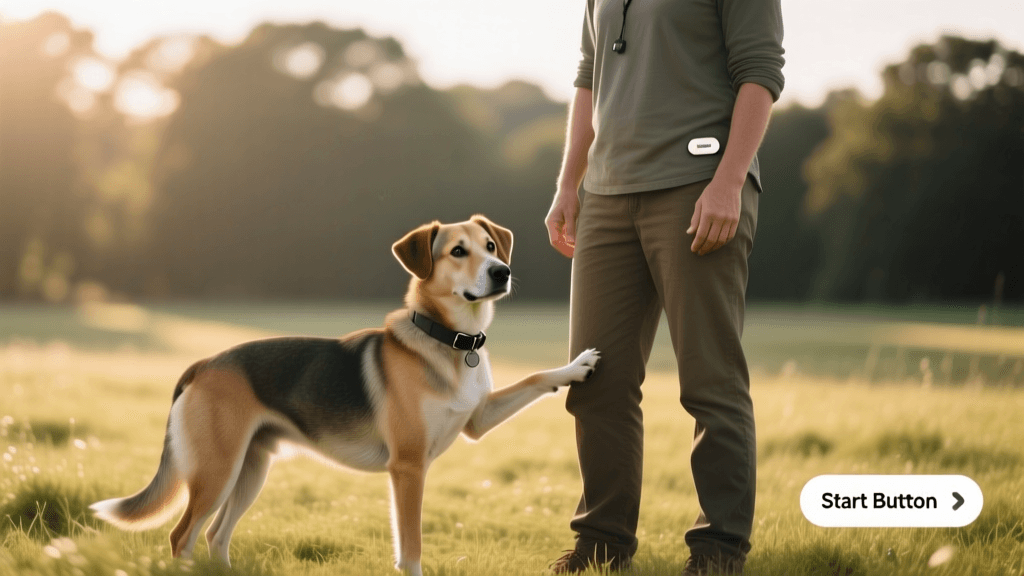
The 'sniffari' is an unstructured walk where the dog's nose dictates the route, pace, and duration of the outing. To execute this properly, equip your dog with a well-fitted, Y-front harness and a 15-to-30-foot BioThane long line. BioThane is highly recommended in 2026 due to its durability, weather resistance, and ease of cleaning when dragged through brush or mud. Take your dog to a quiet, low-traffic green space. Drop the leash (while maintaining a safe grip) and allow them to investigate the terrain. Do not rush them. If your dog spends ten minutes sniffing a single patch of grass, let them. This deep olfactory processing is mentally exhausting and deeply therapeutic. Your role is simply to be a calm, supportive anchor at the other end of the line, proving that you are a safe partner in their exploration.
2. Scent Swapping and Safe Space Association
For rescue dogs that are fearful of physical touch or proximity, scent swapping is a non-invasive way to introduce your personal odor as a source of comfort. Take a clean, soft cotton cloth and gently rub it against your skin—specifically areas with higher concentrations of natural oils, such as your neck, wrists, or chest. Place this cloth in the dog's designated 'safe space' or crate, alongside their bed and a high-value chew. Over several days, the dog will begin to associate your unique scent profile with safety, rest, and positive experiences. When you eventually approach them, your smell will already be categorized in their limbic system as 'safe' rather than 'threat.'
3. Indoor Scent Trails and Box Games
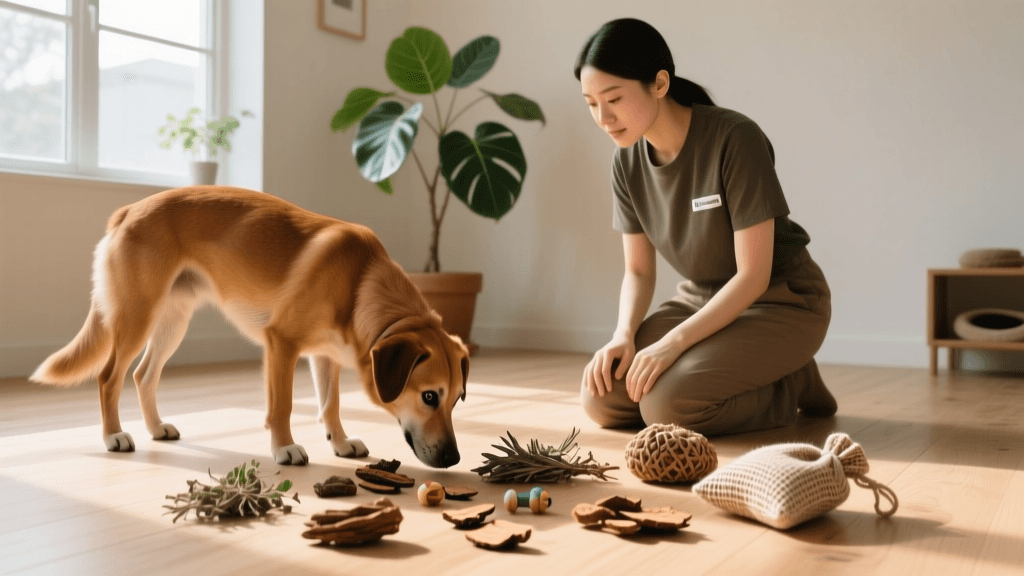
When outdoor weather is poor, or your dog is on strict crate rest, indoor scent games provide vital mental stimulation. The 'Box Game' is a favorite among canine behaviorists. Gather several cardboard boxes of varying sizes and place them in a room. Hide a few pieces of high-value, aromatic treats (such as freeze-dried beef liver or minnows) inside and around the boxes. Encourage your dog to search by tossing a treat into the area and saying 'find it.' As they gain confidence, you can create more complex layouts. For those interested in formalizing this bond, exploring the foundations of AKC Scent Work can provide a structured, rewarding hobby that you and your dog can pursue together for years.
Olfactory Enrichment Comparison Chart
| Enrichment Method | Best Used For | Time Required | Bonding Impact |
|---|---|---|---|
| Decompression Sniffari | High-energy or anxious dogs needing nervous system regulation | 45 - 90 minutes | Builds handler trust through shared, pressure-free exploration |
| Scent Swapping | Extremely fearful dogs avoiding physical contact or proximity | 5 minutes daily | Creates subconscious positive associations with the owner's presence |
| Cardboard Box Games | Building confidence, problem-solving, and indoor engagement | 15 - 20 minutes | Fosters teamwork and establishes the owner as a provider of fun |
| Variable Snuffle Mats | Slowing down fast eaters and providing independent enrichment | 10 - 15 minutes | Promotes self-soothing and reduces separation-related anxiety |
Understanding the Vomeronasal Organ
To truly grasp why these bonding techniques work, one must understand the vomeronasal organ, also known as Jacobson's organ. Located just above the roof of the mouth and behind the upper incisors, this specialized sensory structure is designed to detect heavy, non-volatile molecules, such as pheromones. When a rescue dog investigates the scent of another dog, or even the complex chemical signature of their new human, they often exhibit the 'flehmen response'—slightly opening their mouth and pausing to draw air over this organ. By allowing your dog the time and space to fully utilize both their primary olfactory system and their vomeronasal organ, you are validating their biological imperatives. In 2026, the most successful rescue rehabilitations are those that prioritize this biological validation over immediate compliance.
Final Thoughts on Building Trust
Bonding with a rescue dog is not a race; it is a gradual process of mutual understanding. By shifting your focus from demanding obedience to facilitating olfactory enrichment, you remove the pressure that often hinders the human-canine relationship. Whether you are embarking on a quiet morning sniffari, setting up a living room box game, or simply offering a scent-swapped blanket, you are communicating empathy in a language your dog inherently understands. Embrace the science of the sniff, and watch as your rescue dog transforms from a fearful survivor into a confident, deeply bonded companion.
marcus-aldridge
All our authors care for dogs every day — read more of their work on the authors page.