Nina Ottosson Dog Brick 2026: Stop Destructive Chewing
Discover how the Nina Ottosson Dog Brick puzzle taps into canine foraging psychology to stop destructive chewing in adolescent dogs in 2026.
The Adolescent Chewing Epidemic: Understanding the Urge
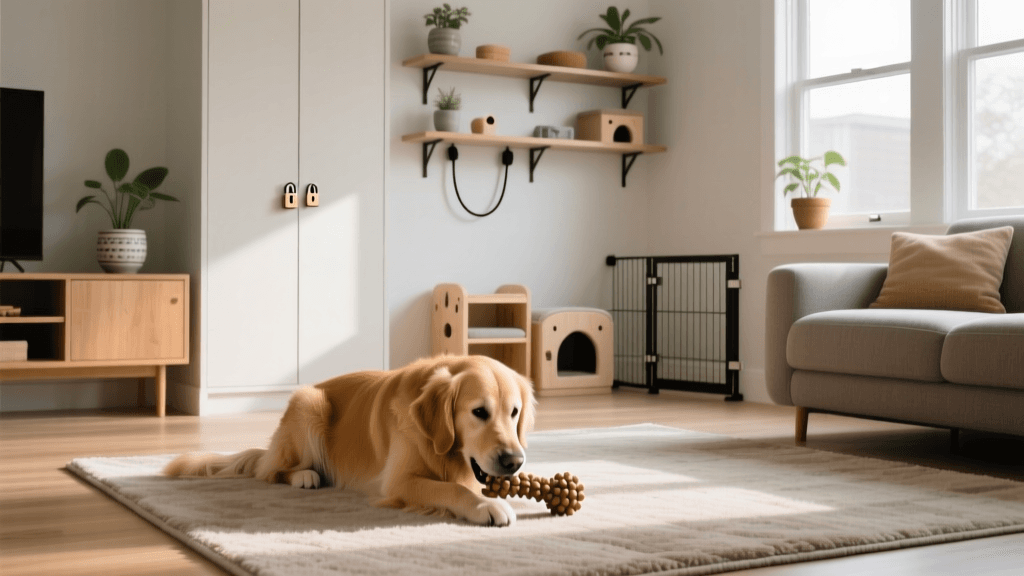
If you are raising an adolescent dog in 2026, you are likely no stranger to the sound of splintering wood, shredded upholstery, or destroyed footwear. The adolescent phase, spanning roughly from six to eighteen months of age, is notoriously difficult for pet parents. During this developmental window, your dog is experiencing a surge in hormonal changes, adult teeth are fully settling into their jaw, and their cognitive capacities are expanding rapidly. When these factors converge without an appropriate outlet, the result is almost always destructive chewing.
However, modern canine psychology tells us that chewing is rarely an act of malice or spite. According to the ASPCA's guide on destructive chewing, this behavior is often a symptom of unmet mental needs, boredom, or a natural instinct to explore the world through their mouths. While physical exercise like walking or fetch is important, it does little to satisfy the deep-seated neurological drive to forage, problem-solve, and work for resources. This is where targeted mental enrichment becomes your most powerful behavioral modification tool.
The Science of Canine Olfaction and Foraging
To understand why puzzle games are so effective at curbing destructive habits, we must look at the canine brain. A dog's olfactory bulb is proportionally 40 times larger than a human's, and the part of their brain dedicated to analyzing scents is vastly more complex. When a dog uses their nose to track down hidden food, their brain releases a cascade of dopamine—the neurotransmitter associated with pleasure, reward, and motivation.
In the wild, canines spend up to 80% of their waking hours foraging and hunting. In our modern homes, food is typically handed to them in a stainless steel bowl in less than thirty seconds. This mismatch between their evolutionary programming and their daily reality leads to what behaviorists call 'leisure time boredom.' By redirecting their chewing impulse toward a structured foraging activity, you are fulfilling a primal need. Veterinary behaviorists widely agree that fifteen minutes of intense scent work and puzzle solving can exhaust a dog as much as a one-hour physical walk, lowering their heart rate and inducing a state of calm satisfaction.
Why the Nina Ottosson Dog Brick Works
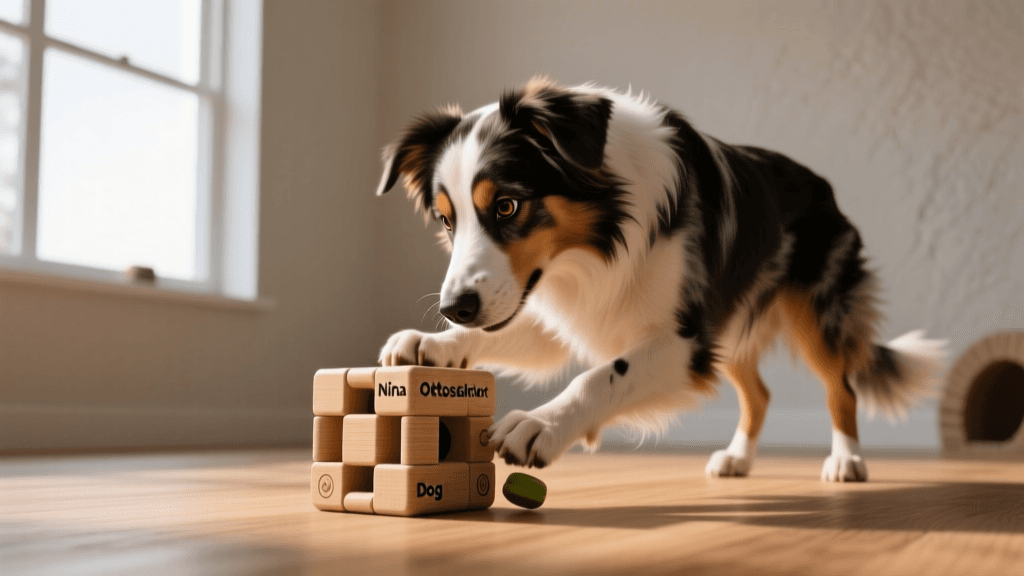
Among the myriad of enrichment tools available on the market this year, the Nina Ottosson Dog Brick Interactive Treat Puzzle remains a gold standard for intermediate canine cognitive training. Unlike simple slow-feeders that merely prolong eating time, the Dog Brick requires the dog to execute a sequence of distinct physical actions to access their reward. They must learn to flip hinged bone-shaped covers and slide interlocking blocks along hidden tracks.
This multi-step problem-solving process engages the dog's prefrontal cortex, promoting neuroplasticity and building confidence. For an adolescent dog prone to anxiety-induced chewing, the Dog Brick provides a 'legal' outlet for their frustration. Instead of dismantling your baseboards, they are dismantling a puzzle. The tactile feedback of sliding the wooden-composite blocks also provides a satisfying sensory experience that mimics the physical manipulation of prey or scavenged items in nature.
Product Specifications and 2026 Pricing
As of 2026, the Dog Brick has been refined with updated, eco-friendly composite materials that are highly durable yet safe for aggressive chewers. Here are the current specifications you need to know:
- Dimensions: 12.75 x 9.25 x 1.5 inches
- Weight: 1.4 lbs (heavy enough to prevent lightweight dogs from easily tossing it)
- Material: BPA-free, phthalate-free, and PVC-free reinforced composite
- Difficulty Level: Level 2 (Intermediate)
- Average 2026 Retail Price: $21.99 - $24.99 USD
- Best For: Dogs who have mastered basic snuffle mats but are not yet ready for multi-tier locking puzzles.
The 7-Day Cognitive Training Protocol
Simply tossing a puzzle toy on the floor and walking away is a recipe for frustration. If the puzzle is too difficult, your dog will abandon it or attempt to chew through the plastic and composite materials to get the food. To successfully integrate the Dog Brick into your behavioral modification routine, follow this progressive 7-day protocol.
Days 1-2: The Open Book Phase
Remove all the sliding blocks and bone covers entirely. Place high-value, strongly scented treats (like freeze-dried liver or small pieces of boiled chicken) directly into the exposed circular wells. The goal here is purely to build a positive association with the puzzle board. Your dog should learn that approaching this specific board yields incredible rewards.
Days 3-4: The Sliding Introduction
Reintroduce the sliding blocks, but only cover half of the treats. Leave the other half completely exposed. Guide your dog's nose to the exposed treats, then gently tap the sliding block to show them how it moves. When they nudge the block with their nose or paw to reveal the hidden treat, offer enthusiastic verbal praise. This phase teaches the mechanical action of sliding.
Days 5-6: The Flip and Slide
Introduce the hinged bone-shaped covers. Place treats under the bones and leave the sliding blocks partially open. Dogs naturally use their paws and snouts to flip objects, so this usually comes intuitively. If your dog struggles to flip the bone, place a small dab of peanut butter on the edge of the bone to encourage them to manipulate it with their tongue and teeth.
Day 7: The Full Foraging Challenge
Load the puzzle completely. Hide treats under the bones, slide the blocks to cover the wells, and place a few 'decoy' treats in the top bone compartments to keep them engaged. Step back and let them work. According to Fear Free Happy Homes enrichment guidelines, allowing the dog to work independently without human interference is crucial for building their problem-solving confidence and reducing separation-related anxiety.
Puzzle Difficulty Comparison Chart
Understanding where the Dog Brick fits into the broader landscape of canine enrichment is vital for managing your dog's chewing habits long-term. If a puzzle is too easy, boredom returns; if it is too hard, frustration leads back to destructive chewing.
| Puzzle Model | Difficulty Level | Best Behavioral Application | Avg. Solve Time | 2026 Price |
|---|---|---|---|---|
| Fleece Snuffle Mat | Level 1 (Beginner) | Initial scent engagement, fast eaters | 3-5 Minutes | $18.00 |
| Dog Brick (Focus) | Level 2 (Intermediate) | Adolescent chewing, mild anxiety | 5-10 Minutes | $22.99 |
| Dog Tornado | Level 3 (Advanced) | High-drive working breeds, severe boredom | 10-15 Minutes | $26.99 |
| Multi-Puzzle Box | Level 4 (Expert) | Canine cognitive dysfunction (senior dogs) | 15-25 Minutes | $34.99 |
Troubleshooting Common Behavioral Roadblocks
Even with a careful introduction, you may encounter behavioral hurdles. Here is how to address the most common issues seen by behaviorists in 2026:
The Board Flipper: If your dog simply bites the edge of the Dog Brick and flips it upside down to dump the treats out, the puzzle is currently too difficult, or the treats are not valuable enough. Go back to the 'Open Book' phase, and place the puzzle on a non-slip silicone mat to anchor it to the floor.
The Frustrated Barker: If your dog barks at the puzzle or paws aggressively without making progress, they are experiencing cognitive overload. Immediately intervene by making the puzzle easier (removing a block) so they can succeed and end the session on a positive note. Never let them practice frustration.
The Disinterested Sniffer: Some dogs are not naturally food-motivated. In these cases, swap out standard kibble for novel, high-value items like frozen bone broth cubes (if the puzzle is placed on a tray to catch melt) or strong-smelling dehydrated fish.
Cleaning, Maintenance, and Hygiene
Because the Dog Brick is used with wet foods, peanut butter, and raw treats, hygiene is paramount. The 2026 composite models are designed to be top-rack dishwasher safe, though hand washing with warm water and a pet-safe enzymatic cleaner is recommended to preserve the integrity of the sliding tracks over time. Avoid using harsh bleach solutions, as the residual chemical smell can overwhelm your dog's sensitive olfactory receptors and deter them from interacting with the puzzle in the future.
Final Thoughts on Canine Cognitive Health
Curbing destructive chewing in adolescent dogs is not about punishing unwanted behavior; it is about fulfilling an unmet biological imperative. By integrating the Nina Ottosson Dog Brick into your daily routine, you are doing more than just saving your furniture. You are providing your dog with a vital cognitive workout that reduces anxiety, builds confidence, and satisfies their innate drive to forage. As we continue to advance our understanding of canine psychology in 2026, mental enrichment has moved from a luxury to an absolute necessity for a balanced, happy, and well-behaved companion.
jonas-cole
All our authors care for dogs every day — read more of their work on the authors page.