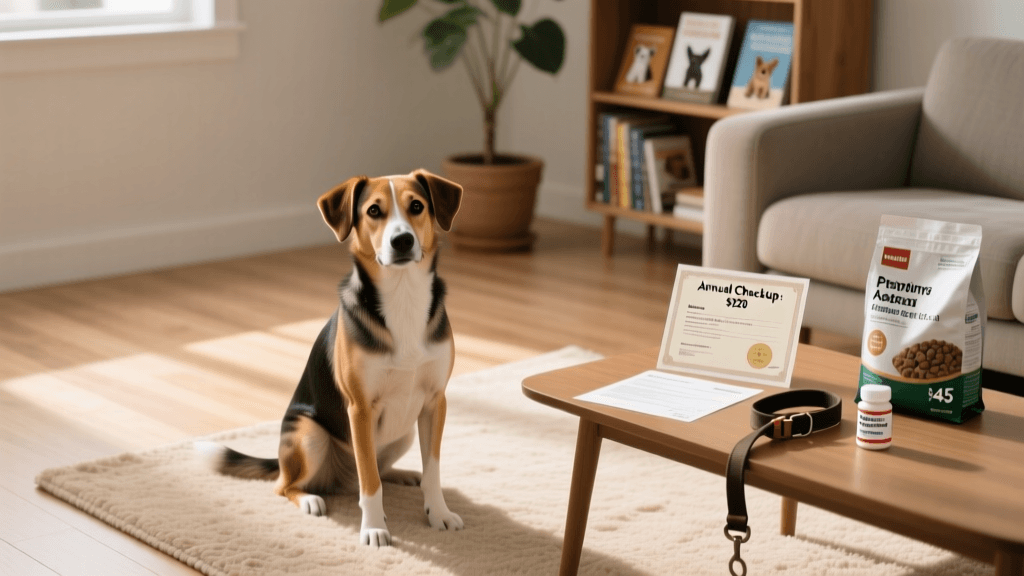
New Puppy Health and Nutrition Setup Before Arrival
Prepare your new puppy's health and nutrition setup before arrival. Learn about first-year vet costs, essential supplements, and day-one feeding plans.
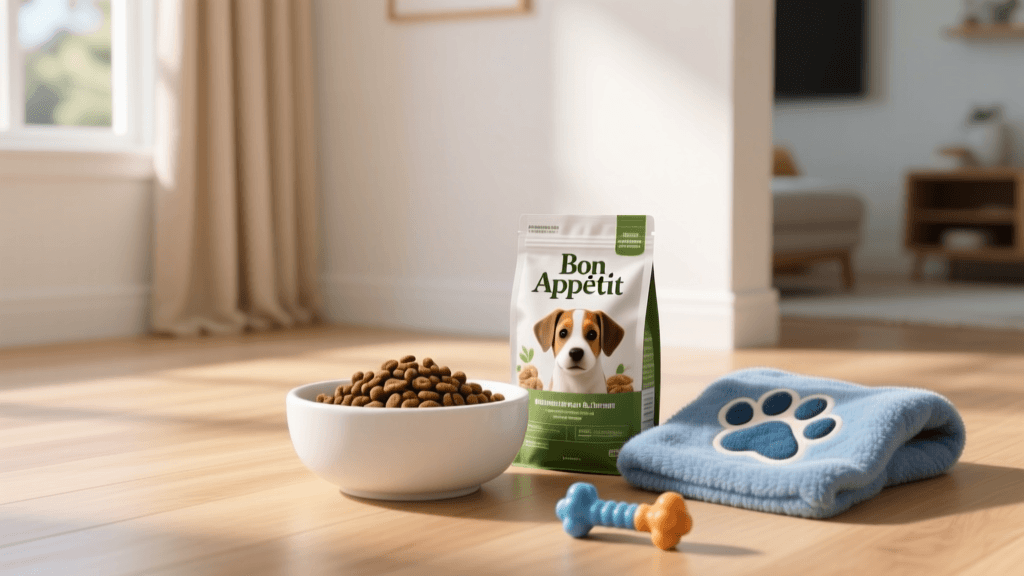
The Critical First 48 Hours: Why Pre-Arrival Planning Matters
Bringing a new puppy or adult dog home is one of the most exciting milestones in life, but the first 48 hours are critical for establishing long-term health and behavioral baselines. Many new owners focus heavily on buying toys and beds, often overlooking the meticulous health and nutrition setup required before the dog crosses the threshold. A proactive approach to your new dog's diet, veterinary schedule, and environmental safety can prevent costly emergency vet visits and mitigate digestive distress during the stressful transition period.
From calculating precise caloric needs based on expected adult weight to stocking the right preventative medications, preparing your home from a 'Health and Nutrition Deep Dive' perspective ensures your new companion thrives from day one. This guide breaks down the exact measurements, product recommendations, and financial budgets you need to finalize before your dog arrives.
Formulating the Day-One Puppy Nutrition Plan
Nutrition is the cornerstone of canine health, particularly for puppies whose skeletal and neurological systems are developing rapidly. According to the World Small Animal Veterinary Association (WSAVA), a complete and balanced diet must meet specific nutrient profiles tailored to the dog's life stage and expected adult size. One of the most common mistakes new owners make is feeding a 'one-size-fits-all' puppy formula without considering breed-specific growth rates.
Caloric Needs and the Calcium-to-Phosphorus Ratio
For large and giant breed puppies (expected adult weight over 70 lbs), controlling the calcium-to-phosphorus ratio is non-negotiable. The ideal ratio should be strictly between 1.1:1 and 1.4:1. Excess calcium can lead to rapid, abnormal bone growth, resulting in developmental orthopedic diseases like hypertrophic osteodystrophy (HOD) or osteochondrosis dissecans (OCD). Brands like Purina Pro Plan Large Breed Puppy or Royal Canin Giant Puppy are specifically formulated to maintain this delicate balance while restricting overall caloric density to prevent excessive weight gain on developing joints.
Conversely, small breed puppies (under 20 lbs adult) have significantly higher metabolic rates and are prone to hypoglycemia. They require energy-dense kibble with smaller piece sizes to accommodate their tiny jaws and fast digestive transit times. Feeding a large-breed formula to a Chihuahua or Toy Poodle can result in severe caloric deficits and dangerous drops in blood sugar.
Puppy Feeding Schedule and Portion Guide
Establishing a rigid feeding schedule aids in housebreaking and stabilizes blood sugar levels. The American Kennel Club (AKC) recommends dividing the daily caloric intake into multiple small meals rather than free-feeding, which can lead to obesity and resource guarding. Below is a structured feeding guide based on age and developmental stage.
| Puppy Age | Meals Per Day | Portion Strategy | Water Access |
|---|---|---|---|
| 6 to 12 Weeks | 4 Meals | Measured to packaging guidelines for expected adult weight | Always available, monitored during potty training |
| 3 to 6 Months | 3 Meals | Adjust weekly based on body condition score (BCS) | Always available |
| 6 to 12 Months | 2 Meals | Transition to adult formula for small breeds at 10 months | Always available |
| 12+ Months (Large) | 2 Meals | Remain on large breed puppy formula until 18-24 months | Always available |
Curating Your Puppy Health Supply Kit
Beyond the food itself, your pre-arrival shopping list must include specific health and hygiene tools. Avoid generic pet store kits; instead, invest in targeted, veterinary-recommended supplies. Here is a precise breakdown of essential health items and their estimated costs:
- Stainless Steel or Ceramic Bowls ($15 - $25): Plastic bowls harbor bacteria and can cause canine acne or contact dermatitis on the chin. Invest in heavy-bottomed stainless steel bowls that can be sanitized in the dishwasher daily.
- Enzymatic Toothpaste and Dual-Head Brush ($12 - $18): Periodontal disease affects over 80% of dogs by age three. Purchase a poultry or beef-flavored enzymatic toothpaste (such as Virbac C.E.T.) and a dual-headed brush to begin desensitizing your puppy to oral care during the first week.
- Digestive Probiotics ($25 - $35): The stress of relocating frequently triggers stress colitis and diarrhea. Keep a supply of Purina FortiFlora or Proviable-DC on hand to sprinkle over meals during the first 14 days to stabilize the gut microbiome.
- Orthopedic Crate Mat ($40 - $70): For large breeds, a supportive mat prevents calluses and supports joint health during the 14-18 hours a day young puppies spend sleeping.
- Digital Pet Scale ($30 - $50): Weighing your puppy weekly at home allows you to track growth curves accurately and adjust food portions dynamically, preventing obesity.
The First-Year Veterinary and Preventative Budget
Financial preparation is a vital component of the 'Getting a Dog' phase. The first year of a dog's life is the most expensive regarding veterinary care due to the dense schedule of core vaccinations, spay/neuter procedures, and baseline testing. Budgeting accurately prevents sticker shock and ensures you never delay critical care.
Core Vaccines and Parasite Prevention
Puppies inherit maternal antibodies that wane over the first few months, leaving them vulnerable to fatal viruses like Parvovirus and Distemper. A standard protocol involves a series of DHPP (Distemper, Hepatitis, Parainfluenza, Parvovirus) vaccines given every 3 to 4 weeks from 6 to 16 weeks of age. Additionally, year-round heartworm, flea, and tick prevention is mandatory, even for indoor dogs, as mosquitoes and indoor pests can transmit deadly parasites. All-in-one preventatives like Simparica Trio or NexGard Plus typically cost between $150 and $250 for a six-month supply, depending on the dog's weight tier.
| First-Year Veterinary Expense | Estimated Cost Range | Frequency / Notes |
|---|---|---|
| Initial Exam & Fecal Test | $75 - $120 | Within 48 hours of arrival |
| DHPP Vaccine Series (3-4 rounds) | $120 - $200 | Every 3-4 weeks until 16 weeks old |
| Rabies Vaccine | $20 - $40 | Administered at 12-16 weeks |
| Bordetella & Leptospirosis | $60 - $100 | Recommended for social/urban dogs |
| Heartworm/Flea/Tick Preventative | $150 - $250 | 6-month supply (weight-dependent) |
| Spay/Neuter Surgery | $300 - $800 | Typically between 6 and 9 months |
| Microchipping & Registration | $40 - $60 | One-time procedure and lifetime registry |
When factoring in emergency funds for common puppy ailments (like dietary indiscretion or foreign body ingestion), new owners should set aside a minimum of $1,500 to $2,500 for the first year's health expenses, or enroll in a comprehensive pet insurance policy like Trupanion or Healthy Paws during the initial wellness exam to bypass pre-existing condition exclusions.
Transitioning Foods and Monitoring Digestive Health
When you acquire your new dog, whether from a breeder or a rescue, you must obtain a sample of the exact food they are currently eating. Abrupt dietary changes are the leading cause of acute gastroenteritis in newly adopted dogs. To transition safely, implement the 10-day gradual shift method: mix 25% of the new food with 75% of the old food for days 1-3; shift to a 50/50 split for days 4-6; move to 75% new and 25% old for days 7-9; and serve 100% new food on day 10.
During this transition, monitor your dog's stool quality using the 4 Cs: Color (chocolate brown), Consistency (firm, log-like), Content (no foreign objects or parasites), and Coating (no mucus or blood). If diarrhea persists for more than 48 hours, consult your veterinarian immediately, as puppies can become fatally dehydrated within hours.
Furthermore, you must puppy-proof your kitchen and pantry against toxic ingredients. The ASPCA Animal Poison Control Center warns that common household items like xylitol (found in sugar-free gum and some peanut butters), grapes, raisins, onions, and macadamia nuts are highly toxic to dogs. Xylitol, in particular, can cause rapid, irreversible liver failure and severe hypoglycemia even in minuscule doses. Always read the ingredient label on any human food or supplement before offering it to your dog, and store all hazardous items in high, latched cabinets.
Finalizing Your Pre-Arrival Checklist
Preparing for a new dog extends far beyond purchasing a leash and a collar. By diving deep into the nutritional requirements specific to your dog's breed, establishing a rigid feeding and veterinary budget, and securing your home against environmental hazards, you lay the groundwork for a vibrant, disease-free life. Take the time to measure your spaces, research your chosen food's WSAVA compliance, and schedule your welcome-home veterinary exam before your dog's paws ever touch your floor. This level of meticulous preparation is the ultimate expression of responsible pet ownership and guarantees your new companion receives the gold standard of care from their very first day home.
aaron-whyte
All our authors care for dogs every day — read more of their work on the authors page.