Holistic Flea Prevention: Nematodes And Neem Oil Routines For 2026
Discover effective 2026 holistic flea prevention routines using beneficial nematodes, neem oil, and cedar mulch to protect your dog naturally.
The Shift to Holistic Flea Management in 2026
As we navigate 2026, the paradigm of canine healthcare continues to shift toward natural, sustainable, and holistic methodologies. For decades, pet parents relied heavily on oral isoxazolines and harsh topical pesticides to manage flea and tick populations. However, with a growing awareness of the gut-skin axis and environmental toxicity, modern dog owners are seeking effective, non-toxic alternatives. Managing your dog's environment and coat holistically is no longer just a niche preference; it is a comprehensive lifestyle choice that prioritizes your dog's long-term neurological and systemic health while maintaining a thriving, chemical-free yard.
The holistic approach to flea prevention operates on a simple premise: treat the environment and support the host, rather than merely poisoning the parasite. By integrating beneficial nematodes, cold-pressed neem oil, and botanical barriers into your daily and weekly routines, you can create an impenetrable fortress against fleas without exposing your beloved companion to synthetic neurotoxins. The FDA has previously issued warnings regarding the potential for adverse neurological events associated with certain conventional flea medications, prompting many holistic veterinarians to recommend environmental management as a primary line of defense.
Step 1: Yard Treatment with Beneficial Nematodes
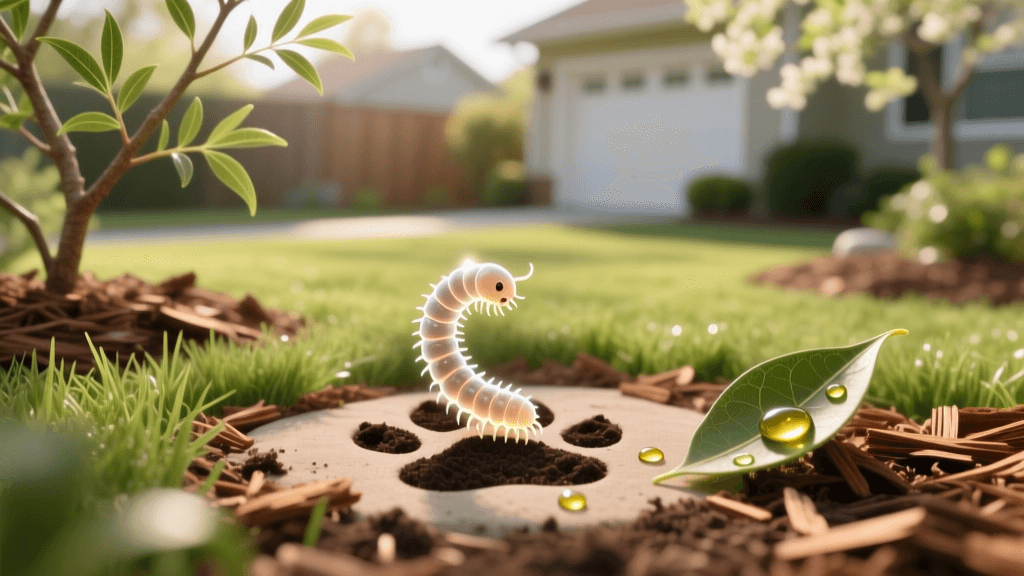
The most critical battleground in flea prevention is your own backyard. Fleas spend only about 10% of their life cycle on your dog; the remaining 90% is spent in the soil, carpet, and bedding as eggs, larvae, and pupae. In 2026, the gold standard for holistic yard management is the application of beneficial nematodes, specifically Steinernema feltiae and Steinernema carpocapsae.
These microscopic, naturally occurring worms are completely safe for dogs, humans, and earthworms, but they are lethal to flea pupae and larvae. According to Penn State Extension, nematodes actively hunt down soil-dwelling pests, entering their bodies and releasing bacteria that eliminate the host within 48 hours.
How to Apply Nematodes in 2026
- Purchasing: Buy live nematodes from a reputable biological control supplier. Expect to pay around $40 to $55 for a sponge containing 10 million nematodes, which covers approximately 2,000 square feet.
- Timing: Apply when soil temperatures are consistently above 50°F (10°C). Early spring and early autumn are ideal.
- Preparation: Mow your lawn and water the area thoroughly before application. Nematodes require moist soil to travel and hunt.
- Application: Mix the nematode sponge in a watering can or attach a specialized nematode sprayer to your garden hose. Spray evenly over shaded areas, under decks, and around dog runs. Fleas despise direct sunlight, so focus on the cool, damp zones where your dog lounges.
- Aftercare: Keep the soil lightly moist for the next 7 to 10 days to ensure the nematodes survive and establish a colony.
Step 2: Neem Oil Coat and Skin Care
While nematodes handle the yard, neem oil handles the host. Extracted from the seeds of the neem tree (Azadirachta indica), this potent botanical oil contains azadirachtin, a compound that disrupts the life cycle of insects at every stage, acting as an antifeedant, repellent, and growth regulator.
Neem oil also boasts incredible antifungal and antibacterial properties, making it a dual-purpose treatment for dogs prone to hot spots, yeast infections, or seasonal allergies. When used consistently, it leaves the coat glossy and the skin deeply nourished.
The 2026 Holistic Neem Spray Recipe
Because pure neem oil is highly concentrated and has a strong, earthy, garlic-like odor, it must be properly emulsified and diluted. Here is a highly effective, vet-approved recipe for a 16-ounce spray bottle:
- Pour 1 teaspoon of 100% cold-pressed, unrefined neem oil into an empty 16 oz spray bottle.
- Add 1 teaspoon of mild, unscented liquid castile soap (this acts as the emulsifier to bind the oil and water).
- Add 3 drops of dog-safe lavender essential oil to mask the natural neem scent and provide a calming aromatherapy effect.
- Fill the rest of the bottle with warm (not hot) filtered water.
- Shake vigorously before every use.
Application: Mist your dog's coat lightly twice a week, focusing on the base of the tail, the groin, and the armpits. Avoid the eyes and inner ears. Massage it down to the skin for maximum efficacy.
Step 3: Environmental Barriers and Indoor Defense
A holistic lifestyle extends to the physical barriers you place around your home. The EPA recommends integrated pest management strategies that utilize physical and mechanical controls before resorting to chemicals.
Line the perimeter of your yard, dog runs, and garden beds with cedar wood chips. Fleas and ticks are naturally repelled by the aromatic oils found in cedar. For indoor defense, utilize Food-Grade Diatomaceous Earth (DE). DE is a fine powder made from fossilized algae that microscopically shreds the exoskeletons of insects, causing them to dehydrate. Lightly dust DE along baseboards, under furniture, and in the crevices of your dog's bedding. Note: Always wear a mask when applying DE to avoid inhaling the fine dust, and ensure you only use Food-Grade DE, never pool-grade.
Holistic vs. Conventional Preventatives: A 2026 Comparison
Understanding the trade-offs between conventional chemicals and holistic routines is vital for making an informed decision for your household. Below is a comparison chart detailing the differences in cost, environmental impact, and application frequency.
| Preventative Method | Primary Active Agent | Estimated Annual Cost (2026) | Environmental Toxicity | Application Frequency |
|---|---|---|---|---|
| Oral Isoxazolines | Fluralaner / Afoxolaner | $250 - $320 | High (Excreted in feces/urine) | Monthly / Quarterly |
| Topical Spot-Ons | Fipronil / Imidacloprid | $180 - $240 | High (Toxic to aquatic life) | Monthly |
| Beneficial Nematodes | Steinernema feltiae | $80 - $120 | None (Beneficial to soil) | Bi-Annually (Spring/Fall) |
| Neem Oil Sprays | Azadirachtin | $30 - $50 | None (Biodegradable) | Twice Weekly |
| Cedar Mulch Barriers | Natural Thujone Oils | $60 - $90 | None (Enriches soil) | Annually (Top-up) |
Your Weekly Holistic Maintenance Routine
Consistency is the cornerstone of natural flea prevention. Without the systemic kill-power of synthetic chemicals, your diligence in maintaining the environment and the host is what keeps the parasite population at zero. Here is a practical weekly schedule to integrate into your life with your dog:
- Monday (Environment Check): Walk the yard. Remove standing water, clear damp leaf litter, and ensure cedar mulch barriers are intact.
- Tuesday (Coat Care): Apply the neem oil and castile soap spray. Brush your dog thoroughly with a stainless steel flea comb, dipping the comb in a bowl of soapy water after every stroke.
- Wednesday (Internal Support): Add a holistic dietary topper to your dog's meals. A half-teaspoon of brewer's yeast and a pump of wild-caught Alaskan salmon oil (rich in Omega-3s) fortifies the skin barrier, making the host less appealing to biting insects.
- Thursday (Bedding Sanitation): Wash all dog beds, blankets, and soft crate liners in hot water with a natural, eucalyptus-based laundry detergent. Dry on high heat.
- Friday (Indoor Dusting): Lightly reapply Food-Grade Diatomaceous Earth to high-traffic indoor carpet zones and baseboards.
- Weekend (Grooming & Bonding): Give your dog a soothing bath using a colloidal oatmeal and lavender shampoo if they have been rolling in the dirt. Finish with a thorough blow-dry, as damp fur can invite fungal issues.
Internal Resilience: The Gut-Skin Connection
Holistic veterinary dermatology in 2026 heavily emphasizes the gut-skin axis. A dog with a compromised microbiome or chronic low-grade inflammation will emit volatile organic compounds (VOCs) through their skin that actually attract fleas and ticks. By feeding a species-appropriate, biologically appropriate raw food (BARF) diet or a high-quality, lightly cooked fresh diet, you naturally reduce systemic inflammation.
Supplementing with canine-specific probiotics and fermented goat's milk introduces beneficial bacteria that crowd out pathogenic yeast in the gut and on the skin. When your dog's internal ecosystem is balanced, their external ecosystem becomes naturally hostile to parasites.
Conclusion: Embracing the Natural Lifestyle
Transitioning to a holistic flea prevention routine requires a shift in mindset. You are no longer relying on a monthly pill to do the heavy lifting; instead, you are actively participating in the stewardship of your dog's environment and overall vitality. By utilizing the microscopic power of beneficial nematodes, the botanical wisdom of neem oil, and the physical barriers of cedar and diatomaceous earth, you create a vibrant, toxic-free sanctuary. In 2026, living naturally with your dog isn't just about avoiding chemicals—it's about fostering a deeper, more connected relationship with the earth and the loyal companion walking beside you on it.
beth-carrasco
All our authors care for dogs every day — read more of their work on the authors page.