Navigating Puppy Fear Periods: A Life Stage Behavior Guide
Learn how to navigate puppy fear periods with our life stage guide. Understand canine psychology, body language, and training tips for a confident dog.
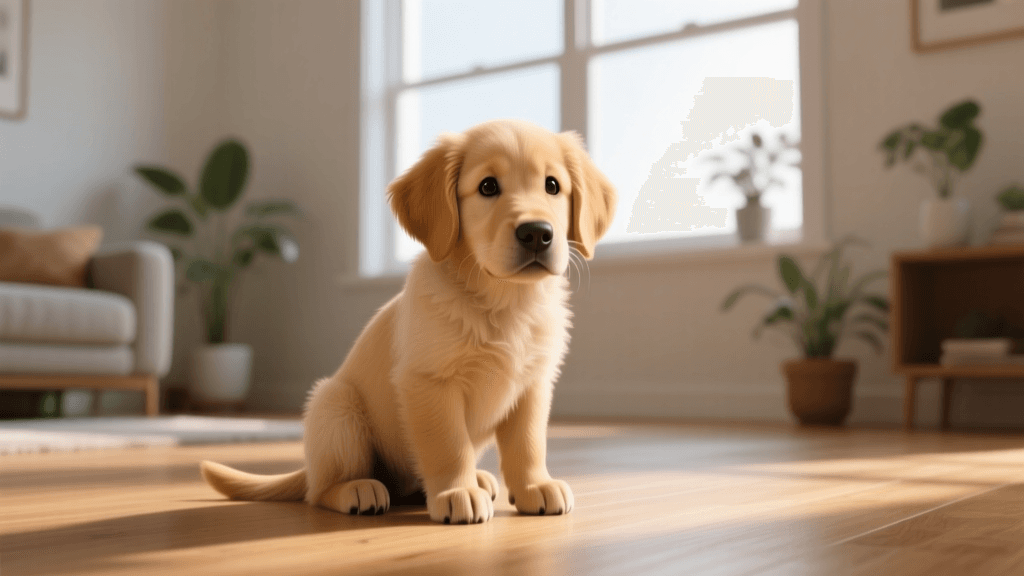
Bringing a new puppy home is an exhilarating experience, filled with wagging tails, clumsy paws, and endless cuddles. However, many new dog owners are caught off guard when their once-bold puppy suddenly becomes terrified of a garbage can, a plastic bag blowing in the wind, or a familiar neighbor. This sudden shift in behavior is rarely a sign of poor training or a 'bad' dog. Instead, it is a predictable, biologically driven developmental milestone known as a fear period. Understanding the psychology behind these sensitive windows is crucial for any dog owner. By viewing these phases through the lens of life stage care, you can provide the exact support your puppy needs to build lifelong resilience and confidence.
The Evolutionary Psychology Behind Puppy Fear Periods
To understand why fear periods occur, we must look at canine evolutionary psychology. In the wild, a young canid's survival depends on its proximity to the safety of the den and the pack. As a puppy matures and begins to venture further from the den to explore, a sudden onset of fear acts as an evolutionary survival mechanism. It prevents the vulnerable adolescent from wandering too far into unknown, potentially dangerous territory. While our domestic dogs do not face the same predators as their wild ancestors, their brains are still hardwired with these developmental checkpoints. During a fear period, the amygdala—the brain's fear-processing center—becomes highly reactive, and the puppy's capacity for 'single-event learning' peaks. This means a single traumatic experience during this window can create a lifelong phobia, whereas positive, low-pressure exposure can build lasting emotional stability.
The First Fear Period: 8 to 11 Weeks
The first fear period typically occurs between 8 and 11 weeks of age. This timeline is particularly significant because it directly coincides with the transition from the breeder or shelter to the puppy's forever home. During this stage, puppies are incredibly impressionable. According to the VCA Animal Hospitals, the experiences a puppy has during this primary socialization window will heavily influence their adult temperament. Because they are leaving the safety of their littermates, sudden loud noises, rough handling, or stressful veterinary visits can leave a lasting imprint. Life stage care during this window requires a highly controlled environment. Owners must prioritize creating a 'safe base' at home, allowing the puppy to decompress and explore new stimuli at their own pace without forced interactions.
The Second Fear Period: 6 to 14 Months
The second fear period is often more confusing for owners because it occurs during adolescence, a time when the puppy physically looks like an adult dog and may have already completed basic obedience training. Suddenly, the dog may exhibit 'stranger danger,' resource guarding, or reactivity toward stimuli they previously ignored. The American Kennel Club (AKC) notes that this secondary fear period is linked to hormonal shifts and the brain's ongoing neurological pruning. The dog is testing boundaries, seeking independence, yet simultaneously feeling deeply insecure about their environment. Patience is paramount here; punishing a dog for fearful behavior during this stage will only validate their anxiety and damage the human-animal bond.
Breed-Specific Timelines
The exact timing of the second fear period is heavily influenced by the dog's breed size and maturation rate. Small breeds, such as Chihuahuas and Toy Poodles, mature rapidly and may experience this period as early as 6 to 8 months. Conversely, giant breeds like Great Danes and Mastiffs develop much slower, often not hitting their secondary fear period until they are 12 to 18 months old. Tailoring your expectations to your specific breed's developmental timeline is a cornerstone of effective life stage care.
Decoding Canine Anxiety: A Body Language Guide
Dogs communicate their internal emotional state through subtle shifts in body language. Recognizing these signals early allows you to remove your puppy from a stressful situation before they escalate to growling or biting. Below is a structured guide to common fear-based signals:
| Signal | Physical Description | Psychological Meaning |
|---|---|---|
| Whale Eye | The dog turns its head away but keeps its eyes fixed on the trigger, showing the whites of the eyes. | High anxiety; the dog is anticipating a threat and preparing for a flight-or-fight response. |
| Lip Licking / Yawning | Quick, repetitive tongue flicks over the nose or exaggerated yawning when not tired. | A calming signal used to self-soothe and de-escalate perceived social tension. |
| Freezing | The dog becomes completely rigid and still, often holding its breath. | A predator-avoidance instinct; the dog hopes not to be noticed or is deciding whether to bite. |
| Tucked Tail & Lowered Body | The tail is pulled tightly under the belly; the dog's weight is shifted backward. | Submission and deep insecurity; an active attempt to make the body appear smaller. |
Life Stage Care: Actionable Strategies for Fear Periods
Navigating these sensitive windows requires a proactive, empathetic approach. Here are specific, actionable strategies to support your puppy's psychological well-being during these life stages.
1. Implement the 'Look At That' (LAT) Protocol
Developed by dog trainer Leslie McDevitt, the LAT game is a cornerstone of desensitization. When your puppy notices a trigger (e.g., a person in a hat) from a safe distance, mark the moment they look at it with a clicker or a verbal 'Yes!', and immediately feed a high-value treat. This rewires the puppy's brain to associate the scary stimulus with a positive outcome. Cost & Product Tip: Use high-value, easily digestible treats like freeze-dried beef liver or Zuke's Mini Naturals (approx. $8-$12 per bag). Keep training sessions under 5 minutes to prevent cognitive overload.
2. Utilize Calming Pheromones and Enrichment
Support your puppy's nervous system with science-backed calming aids. Dog-Appeasing Pheromone (DAP) mimics the comforting pheromones released by a nursing mother dog. Products like the Adaptil Junior Collar (approx. $25-$35) or an Adaptil Diffuser for the puppy's primary sleeping area (approx. $40-$50) can significantly lower baseline anxiety. Additionally, provide passive enrichment using a LickiMat (approx. $15) smeared with plain pumpkin puree or xylitol-free peanut butter. The repetitive licking action releases endorphins in the canine brain, naturally promoting a state of relaxation.
3. Strictly Avoid 'Flooding'
'Flooding' is an outdated and psychologically damaging training method where a dog is forced to confront their fear at close range until they 'get over it' (e.g., forcing a terrified puppy to be held by a stranger). The ASPCA and modern veterinary behaviorists strongly advise against this. Flooding does not cure fear; it induces learned helplessness, where the dog shuts down emotionally because escape is impossible. Always allow your puppy the agency to retreat from a scary situation.
Redefining Socialization During Sensitive Windows
A common misconception is that socialization means your puppy must interact with every dog and human they see. During a fear period, forced interactions can be highly detrimental. True socialization is about habituation—teaching the puppy to remain calm and neutral in the presence of novel stimuli. Let your puppy observe the world from the safety of a park bench or the trunk of your car. Reward them for calm observation. If a stranger approaches, it is perfectly acceptable to advocate for your dog by saying, 'We are in training, please give us space.' Protecting your puppy's emotional boundaries during these critical life stages is the ultimate act of responsible ownership.
Conclusion
Puppy fear periods are not behavioral setbacks; they are natural, evolutionary milestones that require specialized life stage care. By understanding the psychology behind these phases, reading your dog's body language, and utilizing desensitization protocols, you can guide your puppy through their anxiety with empathy and confidence. Remember that building a resilient, well-adjusted adult dog is a marathon, not a sprint. Give your puppy the time, space, and positive reinforcement they need to navigate the world bravely.
hannah-wickes
All our authors care for dogs every day — read more of their work on the authors page.