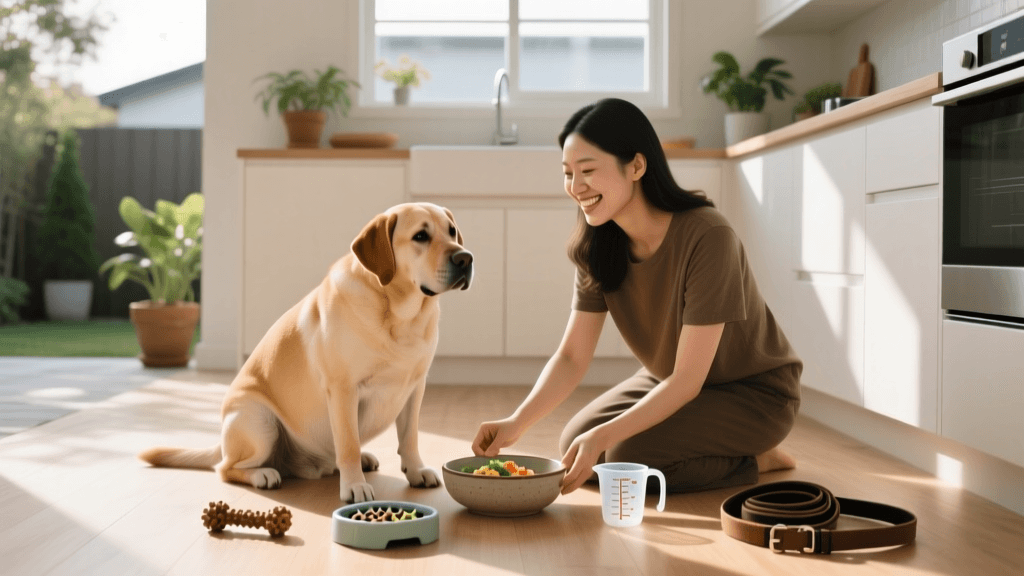
Managing Mealtime Routines in Multi-Dog Households
Discover practical strategies for managing mealtime routines, preventing resource guarding, and ensuring peaceful feeding in your multi-dog household.

The Joy and Chaos of Multi-Dog Mealtimes
Sharing your home with multiple dogs is a deeply rewarding experience. The pack dynamic offers endless entertainment, built-in playmates, and a house full of unconditional love. However, when the clock strikes dinner time, that harmonious pack can quickly devolve into a chaotic scene of barking, shoving, and tension. Mealtime in a multi-dog household requires more than just scooping kibble into bowls; it demands structure, environmental management, and a keen understanding of canine psychology.
Without a proper routine, feeding time can trigger stress, food theft, and even dangerous fights. Whether you are managing a duo of sibling puppies or a diverse pack of senior rescues, establishing a predictable, peaceful feeding protocol is essential for your dogs' physical health and behavioral well-being. In this comprehensive guide, we will explore actionable strategies to transform mealtime madness into a calm, structured daily ritual.
Understanding Canine Resource Guarding
Before implementing a new routine, it is crucial to understand why dogs behave the way they do around food. Resource guarding is a natural, evolutionary survival instinct. In the wild, protecting high-value resources like food was necessary for survival. While our domestic dogs do not need to fight for their next meal, the genetic wiring remains.
According to the ASPCA's guide on resource guarding, dogs may guard their food from other dogs, humans, or even other household pets. Signs of guarding include stiffening over the bowl, eating at an unnaturally rapid pace, growling, or hovering over another dog's bowl. It is important to recognize that resource guarding is not a sign of a 'bad' dog; it is a sign of an anxious dog who feels their resource is threatened. Punishing a dog for guarding will only increase their anxiety and exacerbate the behavior. Instead, management and positive reinforcement are the keys to a peaceful multi-dog dining experience.
Designing a Peaceful Feeding Environment
The physical space where your dogs eat plays a massive role in their stress levels. Feeding multiple dogs in the same room, right next to each other, is a recipe for disaster. Spatial separation is your best tool for preventing conflicts.
Spatial Separation Strategies
- Different Rooms: The safest method is to feed each dog in a completely separate room. This eliminates visual triggers and the physical opportunity for food theft.
- Crate Feeding: If your dogs are crate-trained, feeding them inside their crates with the doors closed provides a secure, den-like environment. This is especially useful for dogs who tend to inhale their food and then patrol for leftovers.
- Baby Gates: Use hardware-mounted baby gates, such as the Carlson Pet Products Walk-Through Gate, to separate dogs in an open-concept home. Ensure the gate is tall enough and securely latched so that an excited dog cannot push through.
- Distance Requirements: If you must feed dogs in the same room, place their bowls at least 6 to 8 feet apart, ideally with a visual barrier (like a kitchen island or a piece of furniture) between them.
Recommended Feeding Equipment
Investing in the right equipment can solve many multi-dog mealtime challenges, from rapid eating to cross-species food theft.
| Equipment Type | Best For | Estimated Cost | Pros & Cons |
|---|---|---|---|
| Slow Feeder Bowls (e.g., Outward Hound Fun Feeder) | Fast eaters, gulpers, dogs prone to bloat | $15 - $25 | Pros: Slows eating, provides mental stimulation. Cons: Can be difficult to clean; frustrating for some dogs. |
| Microchip Feeders (e.g., SureFeed Connect) | Multi-species homes, dogs on prescription diets | $150 - $180 | Pros: Prevents food theft, tracks eating habits via app. Cons: Expensive; requires microchip or RFID tag. |
| Elevated Feeders (e.g., K&H Pet Products) | Giant breeds, senior dogs with arthritis | $30 - $60 | Pros: Reduces neck strain, keeps bowls clean. Cons: Not recommended for deep-chested breeds prone to GDV (bloat). |
| Snuffle Mats | Grazers, dogs needing high mental enrichment | $20 - $40 | Pros: Mimics natural foraging, highly engaging. Cons: Not suitable for wet food; requires regular washing. |
Establishing a Structured Feeding Routine
Dogs thrive on predictability. A structured routine not only aids in digestion but also reinforces your role as the provider of resources, which can reduce anxiety. Implement the following step-by-step protocol for every meal:
- The Prep Phase: Prepare all bowls out of sight. Ask all dogs to go to their designated feeding spots (e.g., their crates or specific mats). If a dog breaks their 'stay' or 'place' command, pause the preparation. This teaches them that calm behavior makes the food appear faster.
- The Release: Bring the bowls to the dogs one at a time. Do not put the bowl down until the dog is sitting calmly. Use a consistent release word like 'Okay' or 'Eat' before they begin.
- The 15-Minute Rule: Allow your dogs exactly 15 minutes to eat. Once the time is up, pick up the bowls, regardless of whether they are finished. This prevents grazing, keeps the food fresh, and establishes that mealtime is a specific, limited event, which reduces the urge to guard a bowl all day.
- The Post-Meal Decompression: Do not allow dogs to engage in vigorous play immediately after eating, especially large breeds, to prevent Gastric Dilatation-Volvulus (GDV), commonly known as bloat. Enforce a 30-to-45-minute rest period.
Integrating Cats and Other Pets
Multi-pet households often include feline family members, and managing the dietary boundaries between dogs and cats is a unique challenge. Dog food is too high in protein and fat for cats, while cat food can cause severe gastrointestinal upset and obesity in dogs.
The Humane Society emphasizes the importance of managing resources to prevent inter-species conflict. To keep your dog out of the cat's bowl, utilize vertical space. Place the cat's food on a high shelf, a cat tree, or behind a baby gate with a small cat-sized opening at the bottom. For households where space is limited, automated microchip feeders are a game-changer. These feeders only open when they detect the specific microchip or RFID collar tag of the designated pet, completely eliminating the opportunity for your dog to steal the cat's dinner.
Troubleshooting Common Multi-Dog Feeding Issues
The Gulper vs. The Grazer
It is common to have one dog that inhales their food in seconds and another that picks at it leisurely. The gulper is at risk for choking, regurgitation, and bloat. To manage this, feed the gulper using a slow feeder bowl or scatter their kibble on a large snuffle mat to force them to forage. For the grazer, strictly enforce the 15-minute rule. If they learn that the food disappears when the timer goes off, they will develop a better appetite and a more consistent eating schedule.
Food Theft and Bowl Swapping
If Dog A finishes early and immediately tries to steal from Dog B, you must intervene before the behavior becomes a habit. Never allow a dog to eat from another dog's bowl, as this is a primary trigger for resource guarding fights. If you are feeding in the same room, stand between the dogs during the meal. The moment the fast eater finishes, calmly leash them or guide them out of the room so the slower eater can finish in peace. Over time, the fast eater will learn that their meal ends when their bowl is empty, not when their sibling's bowl is full.
Treating and High-Value Chews
Mealtime is not the only trigger for conflict; high-value treats like bully pucks, raw bones, or peanut butter Kongs can spark intense guarding. When distributing high-value chews in a multi-dog home, always separate the dogs completely. Use crates or separate rooms with closed doors. Do not allow dogs to have high-value chews in shared, open spaces where they might feel the need to patrol or defend their prize.
Final Thoughts on Pack Harmony
Managing mealtime in a multi-dog household requires patience, consistency, and a proactive approach to environmental design. By understanding the roots of resource guarding, investing in the right feeding equipment, and enforcing a strict, predictable routine, you can eliminate the stress and chaos that often accompanies dinner time. Remember that every dog in your pack has unique eating habits and anxieties; tailoring your approach to their individual needs will ensure that every member of your furry family feels safe, satisfied, and secure when it is time to eat.
anouk-beaumont
All our authors care for dogs every day — read more of their work on the authors page.