How to Train Multiple Dogs Using Mat Work and Stationing
Learn how to manage and train multiple dogs simultaneously using mat work and stationing techniques to reduce chaos and prevent resource guarding.
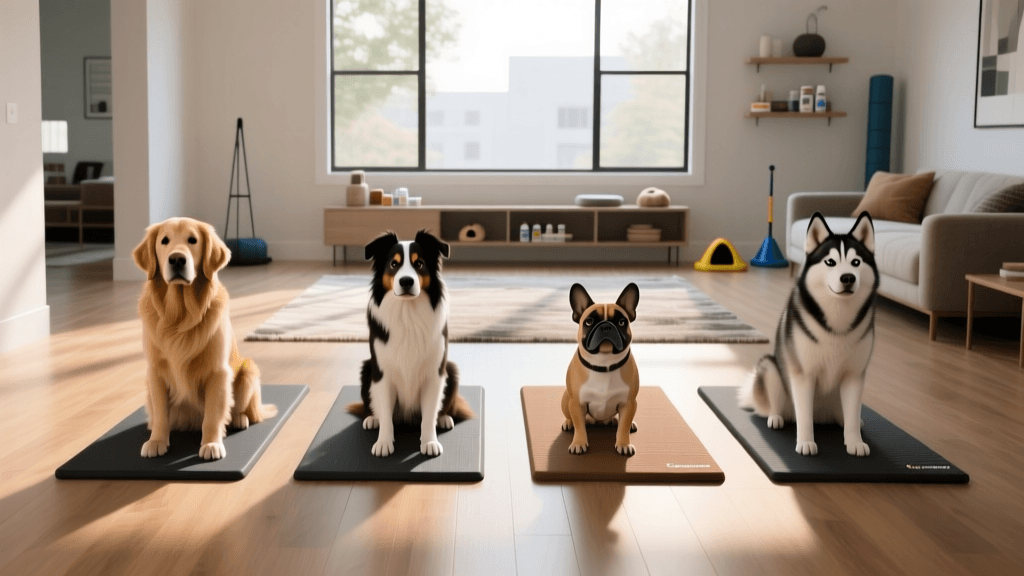
The Challenge of Multi-Dog Households
Living in a multi-dog household is an incredibly rewarding experience, but it comes with unique behavioral challenges. When you have two or more dogs, their energies often compound. This phenomenon, known as allelomimetic behavior, means dogs naturally mimic the actions and emotional states of their pack mates. If one dog barks at the doorbell, the others join in. If one dog jumps on a guest, the others follow suit. While traditional one-on-one obedience training is essential, it often falls short when the whole pack is together. To truly master multi-dog living, you need a group management strategy. The most effective tool in a professional trainer's arsenal for multi-pet homes is 'stationing' or 'mat training'.
Stationing teaches each dog to go to a specific, designated spot (like a raised cot or a specific rug) and remain there until released. This gives every dog a clear job, prevents mobbing, and creates physical boundaries that reduce tension. According to the American Kennel Club (AKC), teaching a solid 'go to place' command is foundational for impulse control, which is magnified in importance when managing multiple dogs in a single space.
Essential Gear for Multi-Dog Stationing
Before you begin training, you must invest in the right equipment. In a multi-dog home, flimsy beds that slide across hardwood floors will cause frustration and break your dog's stay. You need distinct, easily identifiable stations. Below is a comparison of the best stationing options for multi-pet homes, factoring in durability, cost, and size.
| Station Type | Recommended Brand/Option | Dimensions | Est. Cost | Best For |
|---|---|---|---|---|
| Elevated PVC Cot | Kuranda PVC Dog Bed | 34' x 22' | $110 - $130 | Chewers, large breeds, clear physical boundaries |
| Padded Travel Mat | Ruffwear Highlands Pad | 28' x 20' | $40 - $50 | Small/medium dogs, apartment living, travel |
| Non-Slip Bath Mat | Gorilla Grip Bath Rug | 24' x 16' | $15 - $20 | Budget training, washable, quick deployment |
| Management Gate | Regalo Easy Step Gate | 29' Height | $35 - $45 | Separating dogs during initial mat conditioning |
For high-value reinforcement, keep a dedicated treat pouch filled with soft, pea-sized rewards. Zuke's Mini Naturals (approx. $15 per 16oz bag) or freeze-dried beef liver are excellent choices because they can be consumed quickly, keeping the dogs focused on their mats rather than chewing for extended periods.
Step-by-Step Multi-Dog Mat Training
Attempting to train multiple dogs on their mats simultaneously from day one is a recipe for disaster. You must build the behavior individually before combining the pack. Plan for 5-minute training sessions, twice a day, per dog.
Phase 1: Individual Mat Conditioning
Start with your most excitable or food-motivated dog. Place their mat in a low-distraction area, such as a quiet hallway or a bedroom. Use a physical barrier, like the Regalo Easy Step Gate, to keep the other dogs in a separate room. This prevents jealousy and allows the working dog to focus. Lure the dog onto the mat with a treat, mark the behavior with a clicker or a verbal 'Yes!', and reward. Gradually shape the behavior so the dog offers a 'down' on the mat. Do not introduce the other dogs until the first dog can hold a down-stay on the mat for 60 seconds while you move 10 feet away.
Phase 2: Adding the Second Dog
Once both dogs have mastered Phase 1 individually, it is time to combine them. Place the mats at least 10 feet apart. Having ample space is critical; the ASPCA notes that proximity is a primary trigger for resource guarding and spatial tension in multi-dog homes. Send Dog A to their mat and reward heavily. Then, send Dog B to their mat. Alternate your rewards. Toss a treat to Dog A, then walk over and hand a treat to Dog B. This teaches them that staying on their own mat is more rewarding than wandering over to their sibling's mat.
Phase 3: Adding Duration and Real-World Distractions
Now, introduce the chaos of daily life. Practice stationing while you prepare their meals, fold laundry, or answer the door. If a dog breaks their stay, calmly guide them back to the mat without offering a treat. They only earn the reward for remaining on the station. Over time, you can move the mats closer together, eventually placing them side-by-side in the living room, provided no resource guarding occurs.
Managing Resource Guarding and Tension
Multi-dog households must be hyper-vigilant about resource guarding, especially when high-value items like bully sticks, frozen Kongs, or raw bones are introduced. Mat training is an excellent management tool for this, but it requires strict rules.
Never allow dogs to consume long-lasting chews on mats placed directly next to each other. Even dogs that normally get along can experience spatial pressure that triggers a guarding response. Always separate them with a physical barrier or place their mats in entirely different rooms during chew time.
According to behavior experts at the Best Friends Animal Society, managing the environment is just as important as training the dogs. If you notice stiff body language, whale eye, or low growling when one dog looks at another dog's mat, you have moved too fast. Increase the distance between the mats by at least 5 feet and lower the value of the treats or chews you are providing until the dogs relax.
A Sample Daily Training Schedule
Consistency is the bedrock of multi-dog training. Here is a practical, actionable schedule to integrate stationing into your daily routine without burning out:
- 7:00 AM - Morning Potty & Separate Feeding: Take dogs out together. Upon returning, send each dog to their respective mat in the kitchen. Place their food bowls directly on their mats. This reinforces the mat as a safe, positive zone and prevents bowl-rushing.
- 12:30 PM - Mid-Day Reset (3 Minutes): If you work from home, use a quick 3-minute stationing session before your lunch break. Send both dogs to their mats, give them a stuffed Kong Classic ($15 each), and enjoy a quiet meal. This enforces an 'off-switch' in the middle of the day.
- 5:30 PM - The Doorbell Drill (10 Minutes): Before the evening rush, practice a mock doorbell ring. Send dogs to their living room mats. Walk to the door, open it, close it, and return to reward the dogs. Cost: $0, but the behavioral ROI is massive for preventing door-dashing and jumping.
- 8:00 PM - Evening Chew Time: Separate the dogs using baby gates. Send them to their mats and provide a safe, digestible chew like a Whimzees or a yak cheese chew. This promotes calm, independent settling before bedtime.
Conclusion
Training multiple dogs requires patience, strategic management, and the right environmental setup. By implementing mat work and stationing, you are not just teaching a trick; you are establishing a structured language that brings peace and order to your multi-pet home. Invest in quality, non-slip stations, respect your dogs' need for physical space, and celebrate the small victories. With consistent practice, your pack will learn that their designated mat is the most rewarding place in the house.
hannah-wickes
All our authors care for dogs every day — read more of their work on the authors page.