Apartment Puppy Transition Guide: Moving Tips for 2026
Discover the ultimate 2026 guide for moving with an 8-week-old puppy to an apartment. Learn potty transition, smart tech setup, and stress-free tips.
Navigating Life Transitions: Bringing an 8-Week-Old Puppy to an Apartment in 2026
Life transitions are inherently stressful, but adding an 8-week-old puppy to a simultaneous move into a new apartment creates a unique set of logistical and emotional hurdles. As urban living continues to evolve in 2026, more first-time dog owners are navigating the challenge of raising a puppy in high-rise or close-quarters environments. The first year of a puppy's life is defined by rapid developmental milestones, and the environment in which they experience these milestones will shape their adult temperament. Moving to a new home during a puppy's formative weeks requires a strategic approach to potty training, socialization, and anxiety management. This comprehensive guide will walk you through the exact steps, modern products, and behavioral techniques required to make your 2026 apartment transition a success.
Phase 1: Pre-Move Scent Anchoring and Safe Zones
Before you even sign the final lease papers or unpack your first box, you must prepare your puppy's sensory experience. Puppies rely heavily on their olfactory senses to feel secure. When transitioning from a breeder or shelter to a sterile, unfamiliar apartment, the sudden loss of familiar scents can trigger acute stress.
The Scent-Swapping Technique
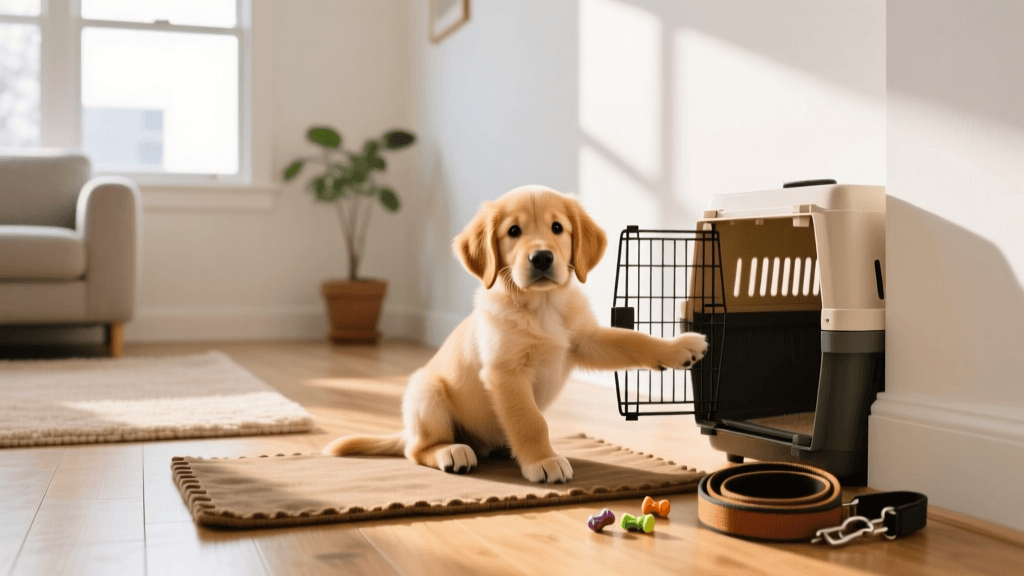
One week before bringing your puppy home, visit the breeder or shelter with a clean, unwashed fleece blanket. Rub this blanket gently on the puppy's littermates and mother. Once you arrive at your new apartment, place this blanket in the center of their designated 'safe zone'—a puppy playpen or a restricted corner of your living room. This provides an immediate olfactory anchor in a sea of new smells like fresh paint, unfamiliar cleaning products, and new flooring.
Deploying 2026 Calming Pheromones
To further ease the transition, plug an Adaptil Junior Calming Diffuser into the outlet nearest to the puppy's safe zone. The 2026 formulation of these synthetic dog-appeasing pheromones mimics the natural nursing pheromones produced by a mother dog, significantly reducing crying and pacing during the first three nights in a new apartment. Keep the diffuser running 24/7 for the first month of the transition.
Phase 2: High-Rise Potty Training Realities
Potty training in a suburban home with a backyard is vastly different from potty training in a fourth-floor apartment. The 'elevator delay' is the number one cause of indoor accidents for apartment puppies. When an 8-week-old puppy signals they need to go, you have roughly 45 seconds before an accident occurs. Waiting for an elevator, walking through a lobby, and crossing a busy street is a recipe for disaster.
Implementing the Mighty Paw Smart Bell 2.0
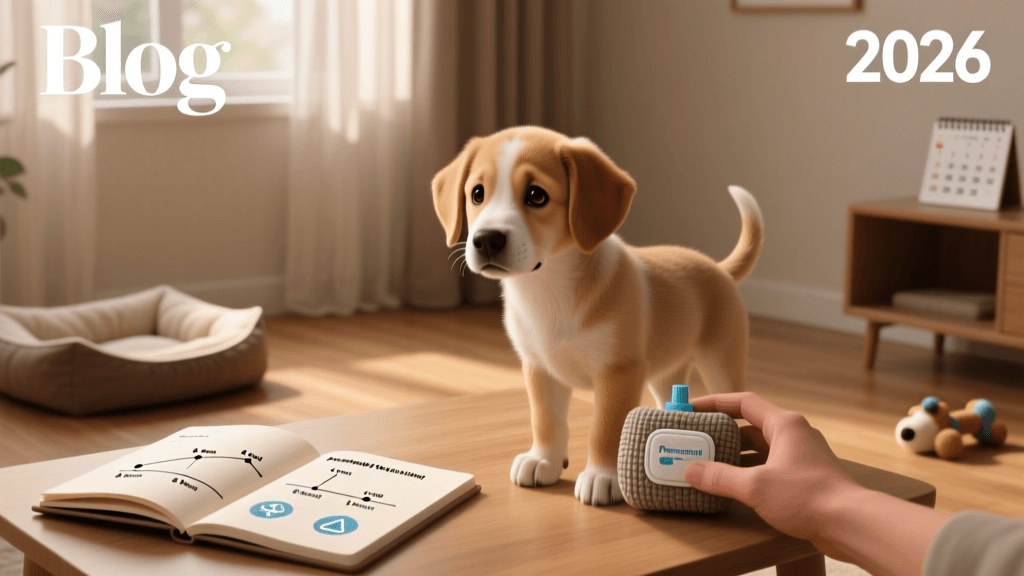
To bridge the communication gap, mount a Mighty Paw Smart Bell 2.0 at your puppy's eye level near the apartment door. Unlike traditional jingle bells, the 2026 smart bell version connects via Wi-Fi to send a push notification to your smartwatch or phone when pressed. This ensures you never miss the signal, even if you are in another room with the noise-canceling headphones on during a work-from-home day. Train the puppy to touch the bell with their nose using high-value treats like freeze-dried chicken liver.
Balcony vs. Street: The Indoor Grass Solution
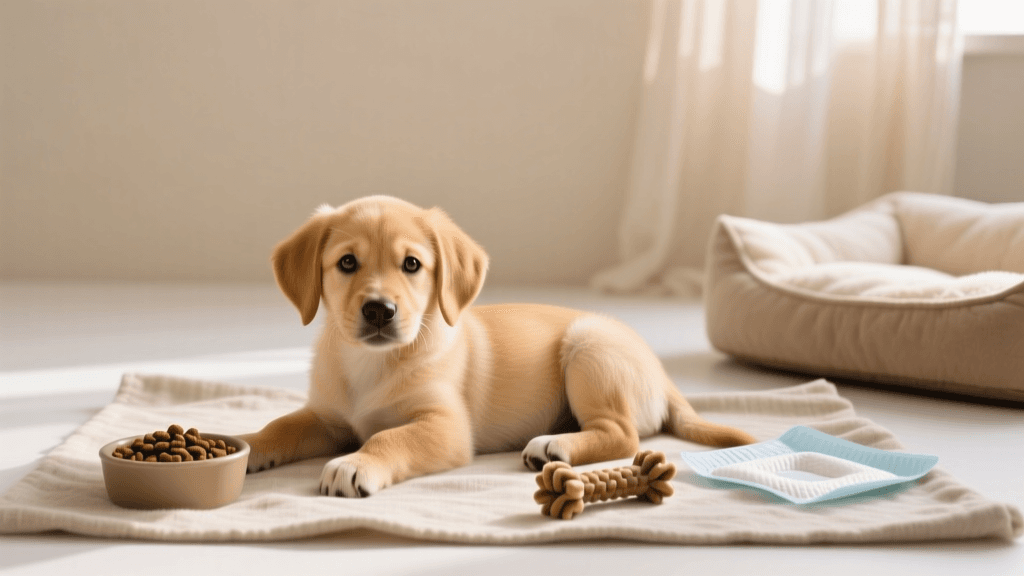
According to The Humane Society of the United States, consistency in the potty substrate is critical for young puppies. If your apartment has a balcony, consider using a real grass delivery service like Fresh Patch or DoggieLawn. These services deliver hydroponically grown grass in a recyclable cardboard tray every two weeks. This allows you to establish a reliable 'balcony potty' for middle-of-the-night emergencies or when you are working, while still taking the puppy to the outdoor grassy areas on weekends to maintain their adaptability to different surfaces.
Phase 3: Socialization During the First Fear Period
The 8-to-10-week window is widely recognized as a puppy's first 'fear period.' During this developmental milestone, negative experiences can leave lasting psychological imprints. Apartment living exposes puppies to a cacophony of unnatural sounds: slamming fire doors, echoing hallways, rumbling garbage trucks, and the sudden hum of elevators.
"Proper socialization is not just about meeting other dogs; it is about exposing your puppy to the sights, sounds, and surfaces of their daily environment in a positive, controlled manner." — American Kennel Club (AKC)
The Apartment 'Rule of 7'
Adapt the classic socialization Rule of 7 for apartment living. In your first week, ensure your puppy safely experiences:
- 7 different floor surfaces (lobby tile, elevator metal grates, asphalt, concrete, grass, carpet, and wood).
- 7 different types of people (delivery drivers in uniforms, neighbors carrying groceries, children with scooters, people wearing hats).
- 7 different apartment sounds (the buzzer, the elevator ding, the garbage chute, the HVAC system kicking on).
Carry your puppy in a K9 Sport Sack Air or a structured sling while walking through the lobby. This keeps them safe from unvaccinated stray pathogens on the ground while allowing them to visually process the bustling apartment environment without feeling trapped or overwhelmed.
The 30-Day Apartment Puppy Transition Schedule
Structure is the antidote to anxiety. Below is a phased schedule to help your puppy acclimate to apartment life over their first month.
| Timeframe | Primary Focus | Actionable Daily Tasks | Recommended 2026 Gear |
|---|---|---|---|
| Week 1 (Days 1-7) | Decompression & Safe Zones | Strict playpen confinement when unsupervised; 5-minute leash walks to the designated potty spot; hand-feeding meals to build trust. | Adaptil Junior Diffuser, Midwest Playpen |
| Week 2 (Days 8-14) | Potty Communication | Introduce the doorbell training; map out the fastest elevator/stair route; begin balcony grass pad training for night shifts. | Mighty Paw Smart Bell 2.0, Fresh Patch |
| Week 3 (Days 15-21) | Acoustic Desensitization | Play recorded elevator and hallway sounds at low volume while feeding treats; practice 'sit and wait' before opening the apartment door. | Snuggle Puppy Heartbeat Toy, Treat Pouch |
| Week 4 (Days 22-30) | Controlled Socialization | Host one calm visitor; sit on an apartment bench to watch traffic; practice settling on a mat in the building lobby. | K9 Sport Sack, Lick Mat for settling |
2026 Smart Tech for the Apartment Puppy Parent
Modern technology has revolutionized how we manage life transitions with our pets. When you must leave your puppy alone in a new apartment to return to the office or run errands, separation anxiety can manifest quickly in close-quarters living, often resulting in noise complaints from neighbors.
Visual and Audio Monitoring
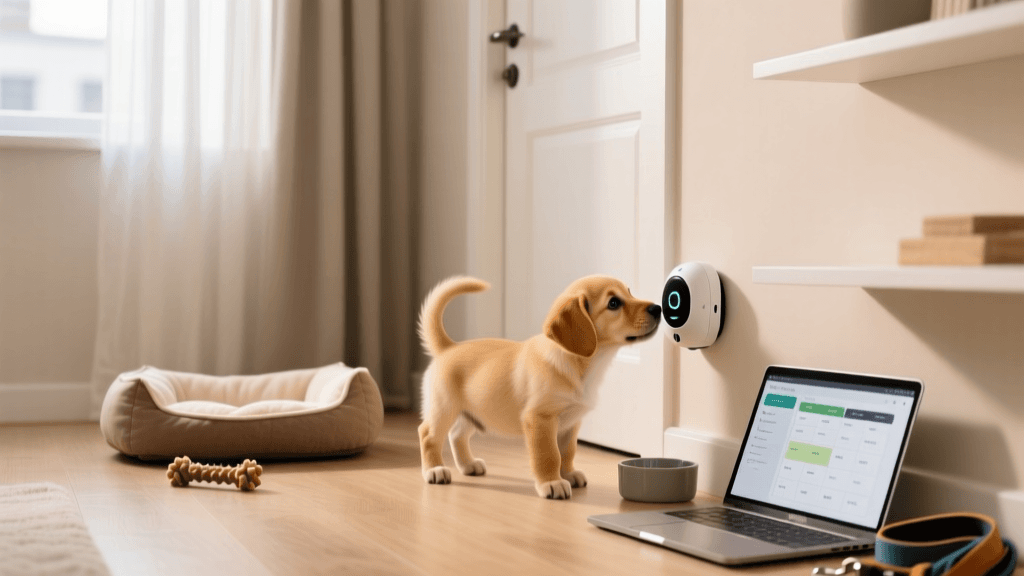
The Furbo 360 Dog Camera remains an essential tool for the 2026 apartment dweller. Its rotating lens allows you to track your puppy's pacing patterns, while the two-way audio lets you interrupt unwanted barking with a calm, reassuring voice. More importantly, the automated treat-tossing feature can be programmed to reward periods of quiet resting on their bed, reinforcing calm behavior even when you are miles away.
Environmental Control
Apartments can suffer from drastic temperature fluctuations when the building's central HVAC system cycles on and off. Use a smart plug connected to a localized ceramic space heater or a cooling fan to ensure the puppy's safe zone remains at a consistent 72°F (22°C). Furthermore, running a white noise machine near the front door will mask the sound of neighbors walking down the hallway, preventing your puppy from triggering an alert bark every time someone passes by.
Managing Teething and Destructive Chewing in Close Quarters
Around the 12-to-16-week mark, your puppy will enter the teething phase. In an apartment, baseboards, door frames, and rented furniture are at high risk. The American Veterinary Medical Association (AVMA) emphasizes that providing appropriate, texture-varied chewing outlets is crucial for dental health and behavioral preservation.
Stock your apartment with a rotation of chew toys. Keep the Kong Classic stuffed with frozen plain pumpkin and puppy kibble in the freezer for high-stress moments (like when the garbage truck arrives). Introduce Benebone Puppy Wishbone toys, which are specifically designed with softer nylon for developing jaws. Never leave a puppy unsupervised with a chew toy in an apartment, as swallowed fragments can lead to emergency veterinary visits.
Final Thoughts on Your 2026 Move
Transitioning to a new apartment with a puppy is a marathon, not a sprint. The first year of your dog's life will test your patience, your cleaning supplies, and your sleep schedule. However, by leaning into structured routines, utilizing modern 2026 smart pet technology, and respecting your puppy's developmental fear periods, you can transform a stressful move into a foundational bonding experience. Remember that your puppy looks to you for emotional regulation; if you remain calm, confident, and consistent during this life transition, your apartment will quickly become a place they recognize as home.
hannah-wickes
All our authors care for dogs every day — read more of their work on the authors page.