Moving With A Senior Dog: 2026 Health & Care Guide
Discover expert 2026 strategies for moving with an arthritic senior dog. Learn joint care, stress reduction, and wellness tips for a seamless transition.
Introduction to Senior Dog Relocation
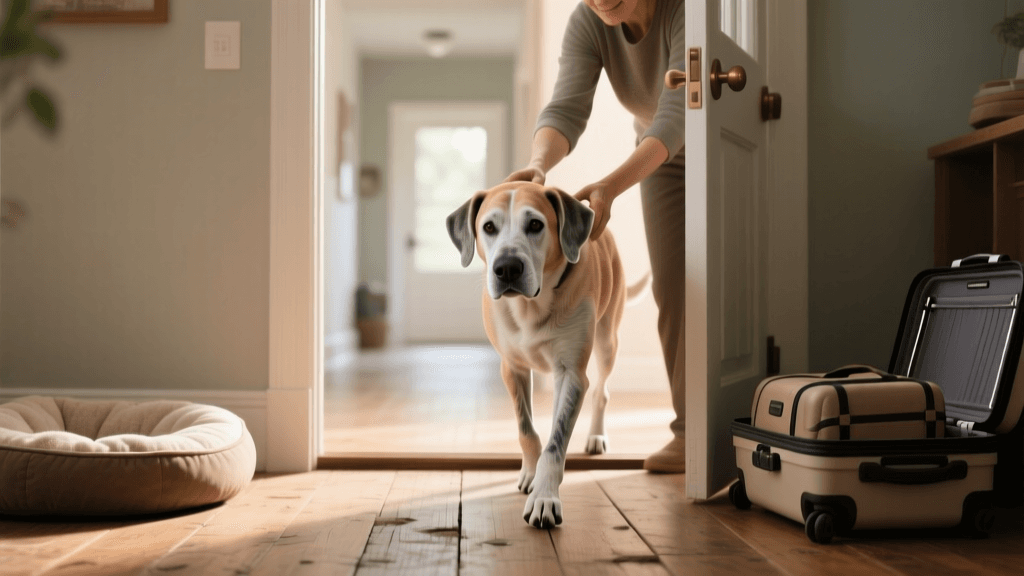
Moving to a new home is universally ranked as one of the most stressful life events for humans, but for our canine companions, the disruption can be profoundly disorienting. When your dog is in their senior years, this life transition compounds existing health challenges. Aging dogs often battle osteoarthritis, diminished sensory perception, and Canine Cognitive Dysfunction (CDS). A sudden change in environment, flooring, and routine can trigger severe anxiety spikes, exacerbate joint inflammation, and lead to a rapid decline in overall wellbeing. As we navigate pet care in 2026, veterinary science offers more advanced protocols than ever to help aging dogs thrive during major life transitions. This comprehensive guide outlines the precise health, mobility, and cognitive strategies you need to relocate an arthritic senior dog safely and comfortably.
Pre-Move Veterinary Wellness & Telehealth Prep
Before a single box is packed, your first step must be a relocation wellness assessment. According to the American Veterinary Medical Association (AVMA), senior dogs require specialized care routines that must be adjusted during periods of high stress. In 2026, you do not necessarily need an in-clinic visit for preliminary advice; veterinary telehealth platforms allow you to consult with your primary veterinarian to formulate a "transition care plan." Discuss your dog's current pain management regimen. If your dog is currently taking NSAIDs like Carprofen or Meloxicam for joint pain, ask your vet if a temporary dosage adjustment or the addition of a fast-acting gabapentin protocol is warranted for moving day to prevent stress-induced pain flare-ups. Furthermore, ensure all preventative care, including flea, tick, and heartworm medications, is updated, as the microclimate and parasite prevalence of your new zip code may differ drastically from your old one.
Joint Care & Mobility Support During Transit
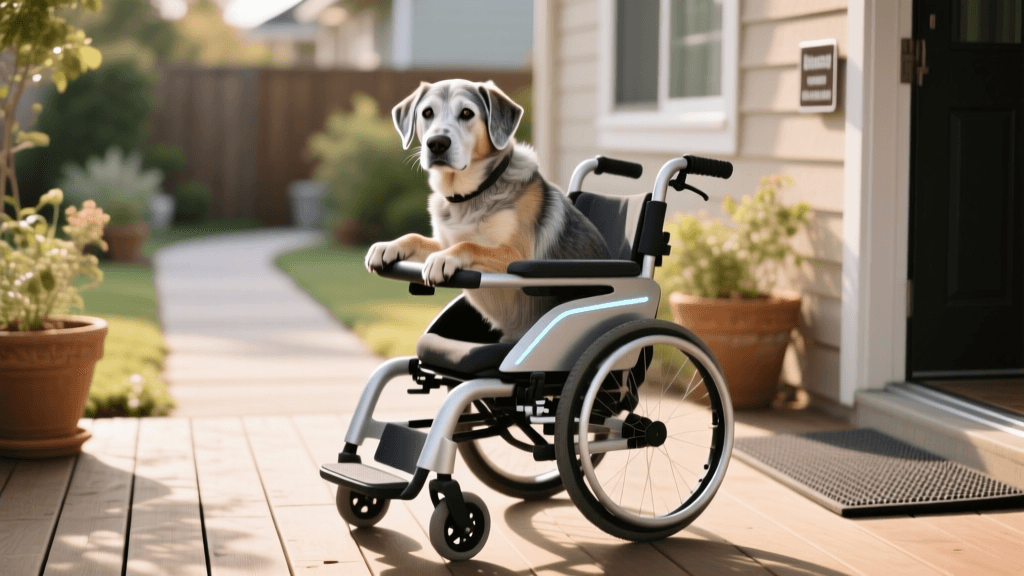
Osteoarthritis affects a vast majority of dogs over the age of eight. The physical act of moving—navigating stairs, jumping into vehicles, and walking on unfamiliar surfaces—can cause micro-traumas to already compromised joints. To mitigate this, you must eliminate all unnecessary physical exertion. Invest in a high-quality, crash-tested ramp for vehicle loading. The PetSafe UltraLite Bi-Fold Ramp remains a top choice in 2026 due to its lightweight, high-traction surface that provides stability for paws with reduced proprioception. Inside the vehicle, secure your dog in an orthopedic crash-tested crate or use a specialized senior canine seatbelt harness that distributes pressure across the chest rather than the neck. During the drive, take breaks every two hours. However, do not encourage vigorous play during these stops. Instead, allow for slow, controlled leash walks on flat, soft grass to keep synovial fluid circulating in the joints without causing impact stress. Hydration is equally critical; bring a portable, collapsible silicone bowl and offer water mixed with a low-sodium bone broth to encourage drinking, as senior dogs are highly susceptible to stress-induced dehydration.
Cognitive Support & Environmental Anchoring
For senior dogs experiencing Canine Cognitive Dysfunction (CDS)—a condition akin to dementia in humans—a new environment can trigger severe confusion, nighttime pacing, and vocalization. The ASPCA highlights that older dogs rely heavily on spatial memory and familiar scents to feel secure. To combat relocation anxiety, utilize "environmental anchoring." This means bringing your dog's oldest, most scent-heavy bedding into the new home and placing it in a designated "safe room" before the rest of the furniture is moved. Do not wash this bedding prior to the move; the familiar olfactory markers are crucial for grounding your dog's cognitive map. Additionally, deploy synthetic pheromone diffusers. The latest 2026 formulations of Adaptil Optimum provide enhanced calming complexes that plug into the wall of your dog's safe room at least 48 hours before they enter the space. Keep the safe room quiet, dimly lit, and strictly off-limits to movers and other pets to prevent sensory overload.
2026 Senior Dog Relocation Timeline & Checklist
A structured approach is vital for managing your dog's health during this transition. Use the following timeline to ensure no wellness metric is overlooked:
| Phase | Timeframe | Health Action | Recommended 2026 Tool |
|---|---|---|---|
| Preparation | 4 Weeks Pre-Move | Telehealth consult; update pain management & CDS medications. | Vetster or Airvet Telehealth App |
| Acclimation | 2 Weeks Pre-Move | Set up pheromones in the new home's safe room; pack scent-heavy beds last. | Adaptil Optimum Diffuser |
| Transit | Moving Day | Administer pre-prescribed situational anxiety relief; use orthopedic vehicle ramp. | PetSafe UltraLite Ramp & Gabapentin |
| Settling In | 1 Week Post-Move | Restrict to safe room; maintain strict feeding/walking schedule; monitor joint stiffness. | Big Barker Orthopedic Bed |
| Exploration | 2 Weeks Post-Move | Gradually introduce new rooms; apply non-slip floor treatments to prevent falls. | PawFriction Anti-Slip Paw Wax |
Post-Move Safety & Environmental Modification
Once you have arrived, your new home must be audited for senior dog safety. Hardwood, tile, and laminate floors are notoriously slippery and pose a severe fall risk for dogs with hind-end weakness or neurological deficits. In 2026, the standard of care for senior dog homes involves strategic placement of interlocking foam mats or low-pile, non-slip area rugs along primary transit routes (e.g., from the bedroom to the kitchen, and to the backyard). Furthermore, apply a veterinary-grade paw wax like PawFriction to improve traction on unavoidable smooth surfaces. If your new property features a yard, conduct a thorough sweep for toxic plants, sharp debris, and gaps in the fencing. Senior dogs with fading vision or hearing can easily wander into danger. To safeguard against elopement, equip your dog with a modern GPS and health-tracking collar. Devices like the Whistle Health 2026 edition not only provide real-time location tracking but also monitor daily activity levels, sleep quality, and calories burned, giving you invaluable data to share with your veterinarian as your dog adjusts to their new territory.
Nutrition, Digestion, and the Stress-Gut Connection
Life transitions inevitably impact the gastrointestinal tract. Stress alters the gut microbiome, frequently leading to colitis, diarrhea, or appetite suppression in older dogs. To buffer the stress-gut connection during your move, introduce a high-quality, multi-strain canine probiotic two weeks before moving day and continue it for two weeks post-move. Look for 2026 veterinary-recommended formulations containing Saccharomyces boulardii and Bifidobacterium animalis, which are proven to stabilize the gut during environmental stressors. Stick rigidly to your dog's current prescription or senior diet; a move is absolutely the wrong time to experiment with a new food brand or protein source. Feed smaller, more frequent meals on moving day to prevent nausea and bloat, and consider utilizing slow-feeder puzzle bowls to provide mental stimulation and slow down anxious eating behaviors.
Conclusion
Relocating with an arthritic, senior dog requires immense patience, foresight, and a commitment to proactive health management. By leveraging modern veterinary telehealth, utilizing targeted mobility aids, and respecting your dog's cognitive and physical limitations, you can transform a potentially traumatic event into a smooth, manageable transition. Prioritize their comfort, maintain their routines, and give them the time they need to map out and embrace their new home safely.
robin-maitland
All our authors care for dogs every day — read more of their work on the authors page.