Senior Dog Moving Guide 2026: Stress-Free Home Transitions
Learn how to minimize stress and protect joint health when moving with a senior dog in 2026. Expert tips on routines, supplements, and safe travel.
The Unique Challenges of Moving with a Senior Dog in 2026
Moving to a new home is universally ranked as one of life's most stressful events, and for our canine companions, the disruption can be deeply unsettling. When you are navigating a life transition with a senior dog, the stakes are significantly higher. Aging dogs rely heavily on established routines, familiar spatial layouts, and predictable environmental cues to feel secure. As dogs enter their senior years—typically around age seven to ten, depending on the breed—they often experience a natural decline in their sensory faculties, including vision and hearing. Furthermore, age-related conditions such as osteoarthritis and canine cognitive dysfunction (CCD) can make the physical and mental demands of a move profoundly overwhelming.
In 2026, veterinary behaviorists emphasize that a successful move with an aging dog requires a proactive, health-first approach. It is no longer just about packing up their favorite toys; it is about managing cortisol levels, protecting deteriorating joints, and maintaining cognitive stability. This comprehensive guide will walk you through the exact steps, modern products, and veterinary strategies required to ensure your senior dog transitions into your new home safely, comfortably, and with minimal anxiety.
Pre-Move Veterinary Preparation and Identification
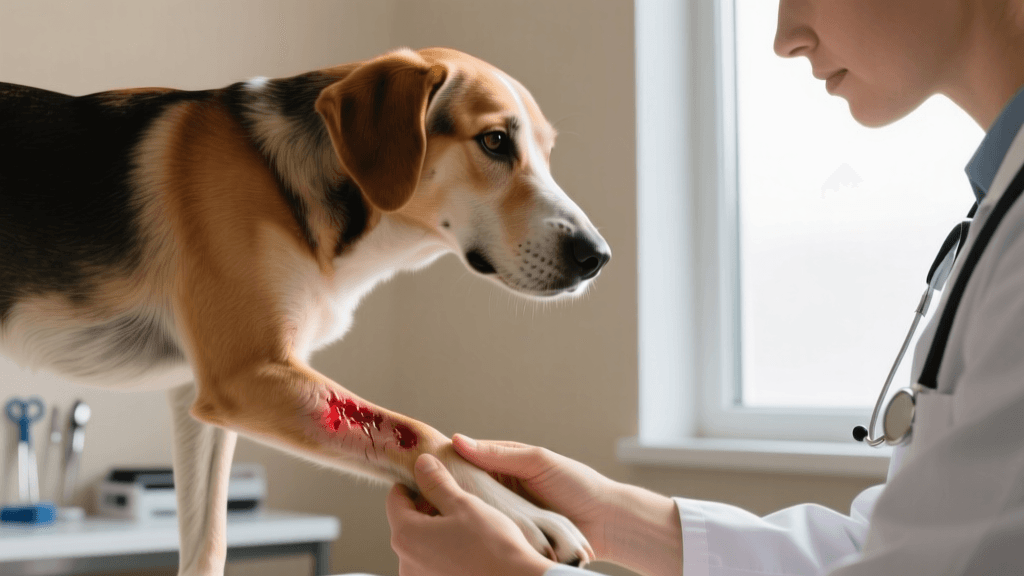
Before you pack a single box, schedule a comprehensive senior wellness exam with your veterinarian. Moving can exacerbate underlying health issues, so it is crucial to ensure your dog is physically prepared for the transition. Discuss your moving timeline with your vet and ask if a short-term, situational anti-anxiety medication is appropriate. In 2026, veterinarians frequently prescribe fast-acting, low-sedation options like low-dose Trazodone or Gabapentin to help dogs cope with the acute stress of travel and environmental changes without leaving them groggy or disoriented.
Equally important is updating your dog's identification. The American Veterinary Medical Association (AVMA) strongly recommends that microchip information be updated *before* the move, not after. If your dog slips out the door amidst the chaos of moving day and their chip is still registered to your old address, the chances of a swift reunion drop dramatically. Update your contact information through the microchip registry portal and ensure your dog is wearing a sturdy, well-fitted collar with a temporary tag that includes your new address and a mobile number you will have on hand during the move.
Packing Strategy: Preserving the 'Scent Anchor'
One of the most common mistakes pet owners make during a move is washing all of their dog's bedding and blankets to ensure they arrive fresh and clean in the new home. For a senior dog, especially one experiencing vision loss or early-stage cognitive decline, this is a critical error. Dogs map their world primarily through their olfactory system. The familiar scent of their bed, their favorite worn blanket, and even their unwashed soft toys act as powerful 'scent anchors' that provide immense psychological comfort.
Instead of washing these items, pack them last and unpack them first. Keep your dog's primary bed set up in a quiet corner of your old home until the very last possible moment on moving day. When you arrive at the new house, place these unwashed, scent-rich items in their designated safe space. The continuous presence of their own pheromones and familiar odors will drastically reduce their environmental anxiety and help them acclimate to the new space much faster.
Travel Day: Joint Support and Anxiety Reduction
Whether you are moving across town or across the country, travel day is physically taxing on an aging body. Senior dogs often suffer from compromised joint cartilage and reduced muscle mass, making the act of jumping into an SUV or navigating a steep ramp painful. Invest in a high-traction, gradual-incline ramp, such as the Pet Gear Stramp or the Gen7Pets Natural Step Ramp, which feature wide, poly-grass surfaces that provide secure footing for dogs with arthritis or neurological weakness.
To manage travel anxiety, consider incorporating modern, clinically backed calming supplements into your dog's routine starting two weeks before the move. The 2026 formulations of Zesty Paws Advanced Senior Calming Bites include a synergistic blend of Ashwagandha, L-Theanine, and organic hemp seed oil, specifically dosed to support the aging nervous system without causing lethargy. Additionally, utilize synthetic pheromone sprays like Adaptil Transport inside the vehicle and on the dog's travel crate to mimic the comforting pheromones released by a nursing mother dog.
Setting Up the New Home: The 'Safe Room' Protocol
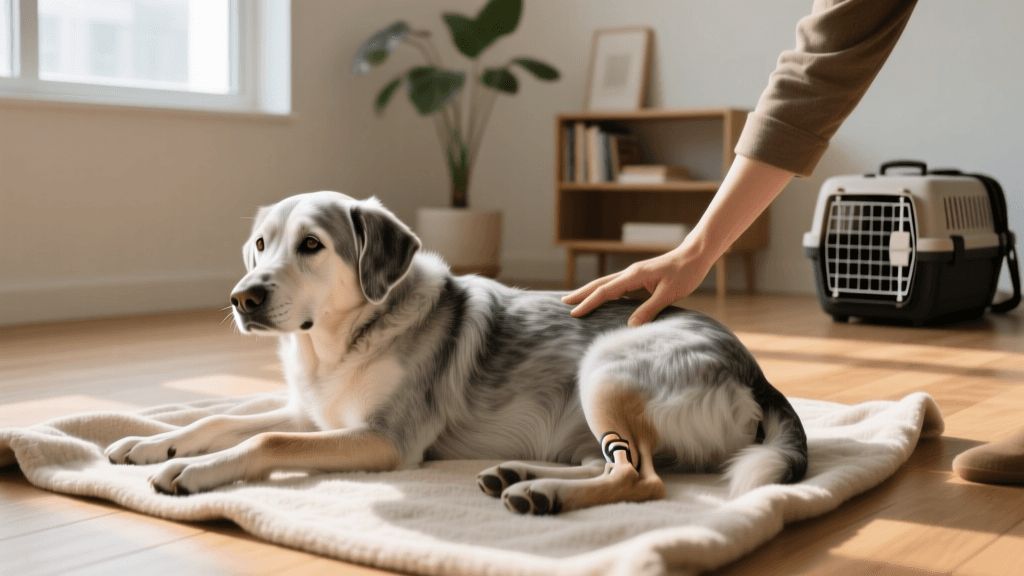
Do not give your senior dog free rein of the entire new house on day one. A vast, unfamiliar space can trigger panic, pacing, and disorientation. Instead, implement the 'Safe Room' protocol. Choose a quiet, low-traffic room in the new house (like a spare bedroom or a finished study) and set it up entirely before bringing your dog inside. Place their unwashed bed, water bowls, and familiar toys in this room. Use a white noise machine to drown out the sounds of moving trucks, echoing footsteps, and unfamiliar neighborhood noises.
For peace of mind while you unpack the rest of the house, utilize smart pet monitoring technology. The Furbo 4 Dog Camera, updated for 2026 with advanced AI-driven anxiety alerts, allows you to monitor your senior dog's resting heart rate, track their pacing patterns, and dispense treats remotely. If the AI detects prolonged whining or restless pacing, you can use the two-way audio to soothe them with your voice, reinforcing that you are nearby even if you are in another room.
Senior Dog Moving Timeline & Health Checklist
Staying organized is key to keeping your dog's stress levels low. Use the following timeline to manage the transition effectively:
| Timeframe | Action Item | Health & Wellbeing Focus |
|---|---|---|
| 4 Weeks Pre-Move | Senior vet wellness exam & medication review | Assess joint health, discuss situational anti-anxiety meds |
| 2 Weeks Pre-Move | Update microchip & collar tags | Ensure emergency contact info reflects the new address |
| 1 Week Pre-Move | Begin daily calming supplements | Build up L-Theanine and Ashwagandha levels in the system |
| Moving Day | Transport using a gradual-incline ramp | Prevent acute joint strain and spinal compression |
| Day 1 Post-Move | Confine to the prepared 'Safe Room' | Prevent sensory overload and spatial disorientation |
| Days 2-7 Post-Move | Gradually introduce new rooms on-leash | Build spatial memory and confidence safely |
Post-Move Routine and Cognitive Enrichment
Once you are settled, the most critical factor in your senior dog's adjustment is the immediate reinstatement of their old routine. Dogs are creatures of habit, and predictable schedules regulate their circadian rhythms and digestive systems. Walk them at the exact same times you did in your old home, and feed them their regular meals, such as a high-quality senior-specific kibble or a joint-supporting fresh food diet, on the same schedule. The American Kennel Club (AKC) notes that maintaining strict daily routines is one of the most effective ways to stave off the symptoms of aging and cognitive decline in older dogs.
To keep their aging brain sharp in the new environment, introduce gentle cognitive enrichment. Scent work is an excellent, low-impact activity for senior dogs. Hide a few high-value, soft treats around the 'Safe Room' and encourage them to use their nose to find them. You can also utilize interactive puzzle toys, like the Outward Hound Nina Ottosson Dog Brick, which requires them to slide compartments to reveal rewards. This mental stimulation promotes neuroplasticity and helps them build positive associations with the new space.
Monitoring for Canine Cognitive Dysfunction (CCD)
Life transitions can sometimes unmask or accelerate the symptoms of Canine Cognitive Dysfunction (CCD), a neurodegenerative disease similar to Alzheimer's in humans. The ASPCA advises pet owners to closely monitor their pets during major environmental shifts for signs of severe stress or cognitive decline. Watch for the 'DISHA' signs: Disorientation (getting stuck in corners of the new house), altered Interactions with family members, Sleep-wake cycle disturbances (pacing at night), House-soiling in previously house-trained dogs, and Activity changes (apathy or repetitive pacing).
If you notice these signs persisting beyond the first two weeks in your new home, consult your veterinarian. They may recommend starting your dog on a prescription neuro-antioxidant diet or a medication like Selegiline, which helps increase dopamine levels in the brain. Additionally, ensure your new home is well-lit in the evenings; senior dogs with fading vision and CCD often experience 'sundowning' (increased confusion at dusk), and keeping hallways and rooms illuminated with warm, motion-sensor nightlights can prevent nighttime anxiety and falls.
Conclusion
Transitioning to a new home with a senior dog requires patience, empathy, and a strategic approach to their physical and mental health. By prioritizing joint protection during travel, leveraging scent anchors, utilizing modern monitoring technology, and strictly maintaining their daily routines, you can transform a potentially traumatic event into a smooth, manageable life transition. Your senior dog has spent years providing you with comfort and stability; by implementing these 2026 best practices, you can ensure their golden years in your new home are safe, peaceful, and filled with joy.
beth-carrasco
All our authors care for dogs every day — read more of their work on the authors page.