Mobility Service Dog Joint Care: 2026 Supplement & Gear Guide
Discover the best 2026 joint supplements, ergonomic harnesses, and recovery protocols to protect mobility service dogs from early arthritis and joint fatigue.
The Biomechanical Toll on Mobility Assistance Dogs
Mobility service dogs perform extraordinary, life-changing tasks for their handlers every single day. From bracing to help a handler stand up from a seated position, to pulling manual wheelchairs over varied terrain, these working dogs endure physical demands that far exceed those of the average household pet. While their dedication is unwavering, the biomechanical toll on their musculoskeletal system is significant. According to the Merck Veterinary Manual, repetitive stress and abnormal joint loading are primary catalysts for early-onset osteoarthritis in working canines. In 2026, proactive joint care is no longer optional for assistance dog organizations and independent handlers; it is a critical component of extending a working dog's career and ensuring their long-term quality of life.
The physics of mobility work create two distinct types of joint stress. Bracing requires static loading, where the dog must lock its joints and engage its core to absorb the handler's shifting body weight. This places immense, sustained pressure on the shoulders, spine, and carpal joints. Conversely, wheelchair pulling requires dynamic force, heavily taxing the hips, stifles (knees), and hocks. Without targeted nutritional support, ergonomic gear, and structured recovery protocols, micro-traumas in the cartilage accumulate, leading to inflammation, pain, and premature retirement.
Recognizing Early Signs of Joint Fatigue in Working Dogs
Because service dogs are bred and trained for high pain tolerance and an intense desire to work, they will rarely vocalize discomfort until a joint issue is severe. Handlers must become adept at reading subtle behavioral shifts. Watch for these early indicators of joint fatigue:
- Hesitation Before Tasks: A noticeable pause or shifting of weight before accepting a bracing command.
- Asymmetrical Pulling: The dog begins to pull the wheelchair slightly to one side to offload a sore hip or shoulder.
- Post-Task Lethargy: Excessive sleeping or reluctance to engage in normal off-duty play after a mobility task.
- Gait Changes: A shortened stride in the hindquarters or a slight 'bunny hop' gait when trotting.
- Harassing Grooming: Excessive licking of the carpal (wrist) joints or elbows after a workday.
Top Joint Supplements for Working Dogs in 2026
The supplement market has evolved significantly, moving beyond basic glucosamine to include multi-modal ingredients that target inflammation, cartilage synthesis, and synovial fluid health. As of 2026, these are the top-tier veterinary-recommended joint supplements for active mobility dogs.
1. Nutramax Dasuquin Advanced with ESM
Dasuquin Advanced remains the gold standard for working dogs in 2026. It combines ASU (Avocado/Soybean Unsaponifiables), decaffeinated tea, and Boswellia serrata extract to aggressively target inflammatory pathways. The inclusion of ESM (Eggshell Membrane) provides a natural source of collagen, elastin, and glycosaminoglycans, which are vital for maintaining the structural integrity of the joint capsule under heavy static loads. Expect to pay approximately $95 for a 150-count bottle in 2026, making it a premium but highly effective investment for a full-time mobility dog.
2. VetriScience GlycoFlex Plus
GlycoFlex Plus is heavily favored by search-and-rescue and pulling dogs due to its high concentration of Perna canaliculus (New Zealand Green Lipped Mussel). This specific mussel extract is rich in ETA (eicosatetraenoic acid), a rare omega-3 fatty acid that inhibits the COX and LOX inflammatory pathways without the gastrointestinal side effects associated with NSAIDs. It also includes MSM and DMG for cellular energy and tissue repair. The 2026 pricing sits around $75 for 120 chews, offering excellent value for large-breed working dogs.
3. Animal Necessity Movoflex Soft Chews
For dogs that struggle with swallowing pills or have sensitive stomachs, Movoflex is a top choice. Its primary active ingredient is UC-II (Undenatured Type II Collagen), which works via oral tolerance to modulate the immune system's attack on joint cartilage. It is highly effective for dogs showing early signs of autoimmune-mediated joint degradation. Priced at roughly $65 in 2026, it is a highly bioavailable option that requires only one small chew per day, regardless of the dog's weight.
Ergonomic Harnesses to Reduce Joint Strain
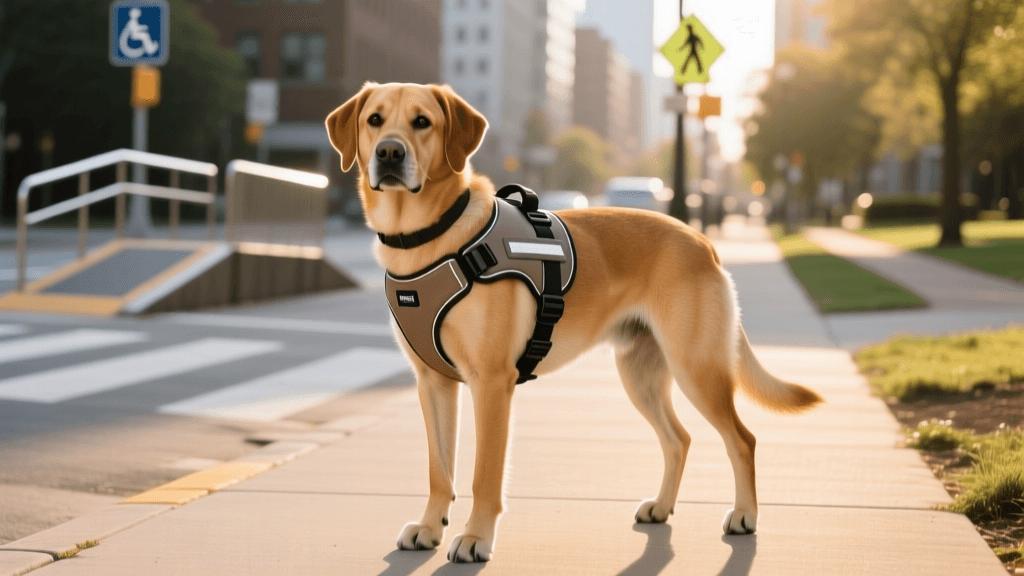
A mobility dog is only as effective as the equipment they wear. Ill-fitting harnesses can cause axillary (armpit) chafing, restrict scapular movement, and unevenly distribute weight, accelerating joint degeneration. In 2026, custom-molded and biomechanically engineered harnesses are the industry standard.
BraceAbility Custom Mobility Harness: This harness features a rigid, padded chest plate that is heat-molded to the dog's specific thoracic dimensions. When a handler leans on the dorsal handle to brace, the force is dispersed across the dog's sternum and ribcage rather than concentrating on the spine and shoulders. The handle is positioned precisely over the dog's center of gravity, ensuring the dog does not have to compensate for off-axis leverage.
Doggy Dash Custom Wheelchair Pull Harness: Designed specifically for dynamic pulling, this harness utilizes a breastplate style that avoids the trachea entirely. It features a quick-release towing loop that aligns with the dog's natural center of mass, allowing them to utilize their powerful hindquarters for propulsion rather than straining their cervical spine and front shoulders.
Daily Recovery Protocols and Orthopedic Gear
Recovery is where tissue repair happens. A mobility dog's off-duty environment must be optimized for joint decompression.
- Orthopedic Sleep Surfaces: The 2026 edition of the Big Barker 7-inch Orthopedic Dog Bed now includes a cooling gel memory foam layer. This prevents the buildup of heat in inflamed joints while providing the firm support necessary to prevent the dog's heavy joints from bottoming out against the floor.
- Class IV Cold Laser Therapy: Many handlers and veterinary clinics now utilize handheld Class IV lasers for post-work recovery. A 5-minute treatment over the hips and shoulders increases cellular ATP production and accelerates the clearance of lactic acid.
- Hydrotherapy: Weekly sessions on an underwater treadmill allow the dog to maintain cardiovascular fitness and muscle mass without the concussive impact of pavement walking. The buoyancy of the water unloads the joints while the resistance builds stabilizing muscles.
Comparison Chart: 2026 Joint Supplements for Service Dogs
| Product | Key Active Ingredients | Best For | Approx. 2026 Price |
|---|---|---|---|
| Dasuquin Advanced | ASU, ESM, Boswellia, Glucosamine | Bracing dogs needing cartilage support | $95 (150 ct) |
| GlycoFlex Plus | Green Lipped Mussel, MSM, DMG | Pulling dogs with high inflammation | $75 (120 ct) |
| Movoflex | UC-II Collagen, Eggshell Membrane | Dogs with sensitive stomachs; early OA | $65 (60 ct) |
Preventative Screening and Veterinary Care
Supplements and gear cannot fix underlying structural flaws. According to the Orthopedic Foundation for Animals (OFA), early radiographic screening is vital for any dog intended for mobility work. PennHIP and OFA evaluations should be completed before a dog enters formal mobility training to ensure their hip and elbow conformation can withstand the physical demands of the job. Furthermore, the American Kennel Club (AKC) emphasizes that joint supplements should be integrated into a dog's diet well before clinical signs of arthritis appear, acting as a preventative shield rather than a reactive treatment.
In 2026, the standard of care dictates that active mobility dogs receive a comprehensive orthopedic examination by a board-certified veterinary sports medicine specialist every six months. These exams include gait analysis on pressure-sensitive mats to detect asymmetrical weight-bearing long before a limp becomes visible to the human eye. By combining cutting-edge 2026 nutritional science, custom-fitted ergonomic gear, and rigorous veterinary oversight, handlers can ensure their mobility service dogs remain healthy, pain-free, and capable of performing their vital tasks for years to come.
beth-carrasco
All our authors care for dogs every day — read more of their work on the authors page.