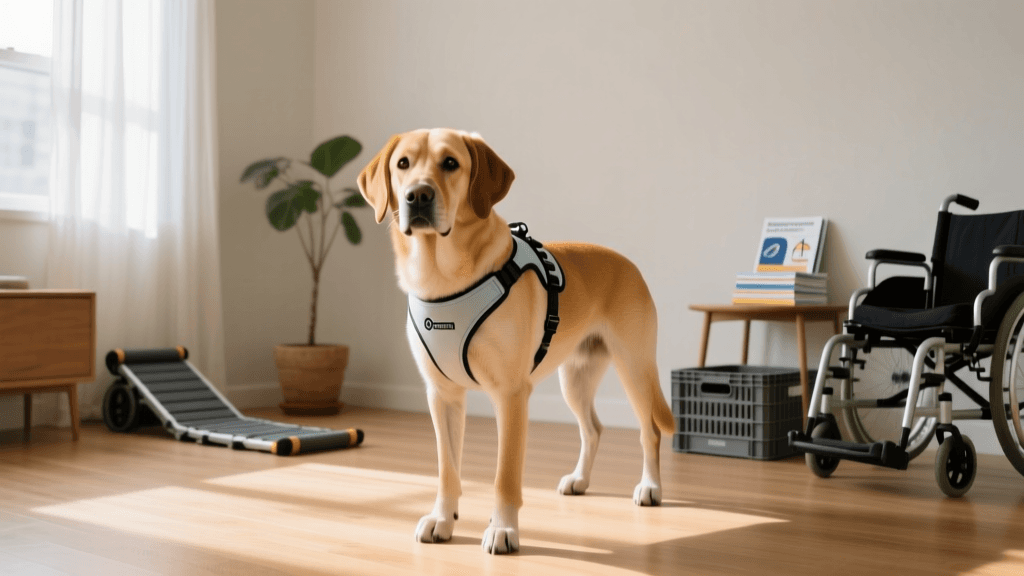
Getting a Mobility Service Dog in 2026: Costs & Home Prep
Discover the true costs, top breeds, and home preparation essentials for getting a mobility assistance service dog prospect in 2026.
The Rising Demand for Mobility Assistance Dogs in 2026
Getting a dog is a monumental decision, but acquiring a mobility assistance dog prospect is a life-altering commitment that requires meticulous planning, financial readiness, and environmental preparation. Mobility service dogs are specifically trained to assist individuals with physical disabilities by performing tasks such as bracing for balance, pulling wheelchairs, retrieving dropped items, and opening doors. As of 2026, the demand for these highly specialized working dogs has surged, leading to longer waitlists for fully trained program dogs and a growing trend of handler-owner training.
Whether you are applying to an accredited organization or partnering with an ethical breeder to raise your own prospect, understanding the current landscape of working dog acquisition is critical. This guide breaks down the exact costs, structural requirements, and home modifications necessary to set you and your future mobility partner up for success in 2026.
Understanding the True Costs in 2026
The financial investment required for a mobility service dog varies drastically depending on whether you obtain a fully trained dog from an Assistance Dogs International (ADI) accredited program or purchase a purpose-bred prospect to train yourself. In 2026, the rising costs of veterinary care, specialized nutrition, and professional training have shifted these averages upward.
| Expense Category | Owner-Trained Prospect (2026 Est.) | ADI-Accredited Program Dog |
|---|---|---|
| Initial Acquisition | $2,500 - $4,500 | $0 - $5,000 (Subsidized) |
| Professional Training Guidance | $3,000 - $6,000 | Included in Program |
| Specialized Mobility Gear | $600 - $1,200 | Included in Program |
| Veterinary & Joint Screening | $800 - $1,500 | Included in Program |
| Total Estimated Investment | $6,900 - $13,200 | $35,000+ (Actual Value) |
While owner-training appears cheaper upfront, it requires hundreds of hours of dedicated work and ongoing consultations with a certified service dog trainer. Conversely, ADI-accredited programs often operate on a nonprofit model, meaning the $35,000+ value of the dog is heavily subsidized by donors, though waitlists in 2026 frequently exceed 24 to 36 months.
Selecting the Right Breed and Prospect
Not all dogs are built for mobility work. The physical toll of bracing, pulling wheelchairs, or providing balance support requires strict structural soundness, specific height requirements, and a calm, biddable temperament. In 2026, ethical breeders and program evaluators rely heavily on advanced genetic panels and orthopedic imaging to ensure prospects can handle the physical demands without developing chronic pain.
Top Breeds for Mobility Work
- Labrador Retrievers & Golden Retrievers: The gold standard for service work due to their biddability, size, and eagerness to please. They are highly adaptable to both wheelchair pulling and deep pressure therapy.
- Standard Poodles: An excellent choice for handlers with allergies. They possess the intelligence and height required for mobility tasks, though they can be more sensitive to chaotic environments than retrievers.
- Bernese Mountain Dogs: Ideal for heavy bracing and pulling due to their massive size and strength. However, their shorter lifespan (often 7-9 years) means handlers must plan for earlier retirement and succession dogs.
The Importance of Orthopedic Screening
Because mobility dogs bear physical weight, joint health is non-negotiable. According to the Orthopedic Foundation for Animals, hip and elbow dysplasia can severely shorten a working dog's career and cause immense suffering. When selecting a prospect in 2026, you must require the breeder to provide OFA or PennHIP certifications for both parents, ensuring they have excellent joint ratings. Relying solely on basic veterinary clearances is no longer sufficient for working line dogs.
Sourcing Your Dog: Ethical Breeders vs. Rescues
While rescue dogs can make phenomenal service animals for psychiatric or medical alert work, mobility work demands predictable size, structure, and joint health. Therefore, sourcing a purpose-bred prospect from a breeder who performs full adult health testing and early neurological stimulation (ENS) is highly recommended. Organizations like Assistance Dogs International (ADI) maintain strict standards for breeding programs. If you are purchasing a prospect, seek out breeders who explicitly breed for 'working soundness' rather than just show conformation, as working lines often prioritize structural longevity and temperament over cosmetic breed standards.
Preparing Your Home for a Large-Breed Working Dog
Bringing a large-breed mobility prospect into your home requires environmental modifications to protect their developing joints and ensure they can perform their tasks safely. In 2026, veterinary physical therapists emphasize the following home preparation essentials:
1. Flooring and Traction
Slippery surfaces like hardwood, tile, or laminate can cause micro-traumas to a growing puppy's joints and make it impossible for an adult dog to brace safely. You must install non-slip runners or use high-traction, dog-safe area rugs in all primary pathways and training areas. Ensure rugs have heavy-duty rubber backing to prevent sliding when the dog applies lateral force.
2. Orthopedic Resting Spaces
A mobility dog's joints endure immense stress. Investing in a high-quality, supportive bed is mandatory. Brands like Big Barker offer orthopedic beds specifically designed for large and giant breeds, with 2026 models featuring waterproof, chew-resistant covers and therapeutic foam that prevents joint compression. Expect to invest between $300 and $450 for a bed that will adequately support a 70+ pound working dog.
3. Vehicle Loading Solutions
Jumping in and out of SUVs or trucks can lead to premature shoulder and spinal injuries. You must acquire a heavy-duty, adjustable ramp or custom-built vehicle stairs. Look for ramps with a high weight capacity (at least 150 lbs to account for the dog plus the downward force of movement) and a textured, high-grip surface.
Navigating Public Access and ADA Regulations
Understanding your legal rights and responsibilities is a crucial part of getting a service dog. According to the ADA National Network, service animals are defined as dogs individually trained to do work or perform tasks for people with disabilities. It is vital to note that under federal ADA guidelines, you are not legally required to use a vest, ID tag, or harness for your service dog, though doing so significantly reduces public confrontations and access challenges.
If you are owner-training, you must research your specific state's laws regarding Service Dogs in Training (SDIT). While the federal ADA does not grant public access rights to SDITs, many states have enacted laws in 2026 that allow handler-trainers to take their prospects into public spaces for socialization and training purposes, provided the dog is clearly marked and under strict control.
The First 30 Days: Foundation and Bonding
When your mobility prospect arrives home, the first 30 days should focus entirely on decompression, bonding, and environmental confidence. Do not rush into task training. A dog cannot learn to brace or retrieve if it does not first feel entirely secure in its environment and deeply connected to its handler.
Begin with 'choice-based' training methods, allowing the puppy to offer behaviors and rewarding them heavily. Focus on core stability exercises, such as walking over varied terrain, balancing on wobble boards, and engaging in scent work to build mental stamina. By prioritizing structural health, investing in proper home modifications, and adhering to rigorous training standards, you will lay the groundwork for a resilient, capable mobility partner ready to navigate the world by your side.
beth-carrasco
All our authors care for dogs every day — read more of their work on the authors page.