Getting a Mobility Service Dog: 2026 Breeds and Costs
Discover the best mobility service dog breeds for 2026, compare program vs. owner-training costs, and learn how to prepare your home for a working dog.
Understanding Mobility Assistance Dogs
Getting a mobility service dog is a life-changing decision that requires careful planning, financial preparation, and a deep understanding of canine biomechanics. In 2026, the demand for highly trained working dogs continues to rise, driven by greater awareness of physical disabilities and the proven benefits of canine-assisted independence. Unlike emotional support animals, mobility assistance dogs are trained to perform specific physical tasks—such as bracing for balance, pulling wheelchairs, or retrieving dropped items—that directly mitigate their handler's disability.
Before beginning your journey, it is crucial to consult with your physician and a canine rehabilitation specialist to ensure that a working dog aligns with your physical needs and lifestyle. If you are considering bringing a mobility dog into your life, this comprehensive guide covers the best breeds, current costs, essential gear, and legal rights you need to know for 2026.
Top Mobility Dog Breeds for 2026
Not every dog is physically capable of mobility work. To safely perform tasks like bracing or pulling without suffering joint or spinal injuries, a mobility dog must generally be at least 22 inches tall at the shoulder and weigh a minimum of 55 pounds. Furthermore, the dog must have a calm, biddable temperament and a high pain threshold. Here are the top breeds utilized by accredited programs in 2026:
1. Labrador Retriever
The Labrador Retriever remains the gold standard for mobility work. Known for their robust skeletal structure, high intelligence, and eagerness to please, Labs excel at tasks requiring sustained physical effort, such as pulling manual wheelchairs or providing counterbalance for handlers with vertigo. Their short coat is also relatively low-maintenance, which is ideal for handlers with limited dexterity.
2. Golden Retriever
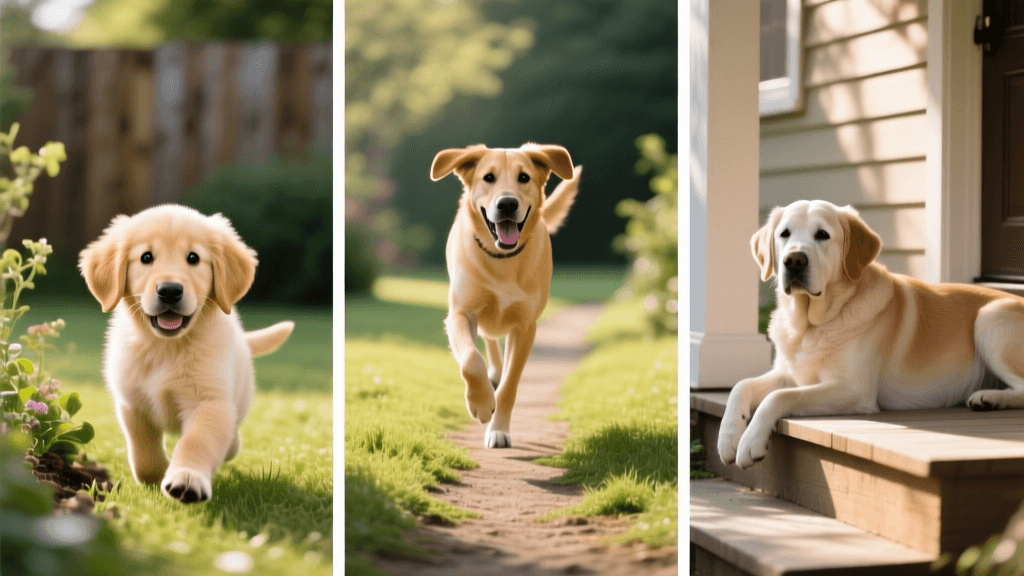
Golden Retrievers offer a slightly softer temperament than Labs, making them exceptional for handlers who also benefit from psychiatric support alongside mobility tasks. Goldens are highly adept at retrieval tasks, opening doors, and toggling light switches. However, their longer coats require a commitment to regular grooming, which handlers must factor into their daily routine or budget for professional care.
3. Standard Poodle
For handlers with severe allergies, the Standard Poodle is the premier choice. Weighing between 50 and 70 pounds, Standards possess the height and strength required for bracing and light pulling tasks. They are exceptionally intelligent and highly observant, often anticipating their handler's needs before a command is given. Their hypoallergenic hair, however, requires professional grooming every six to eight weeks.
4. Bernese Mountain Dog
When heavy-duty pulling or deep brace work is required, the Bernese Mountain Dog is increasingly popular in 2026. Weighing up to 110 pounds, their massive frame provides unparalleled stability for handlers with severe balance disorders or those who use manual wheelchairs on uneven terrain. The trade-off is a shorter lifespan and a higher susceptibility to joint issues, requiring strict weight management and early orthopedic screening.
The True Cost of Getting a Mobility Dog in 2026
The financial investment required to acquire and maintain a mobility service dog is significant. Prospective handlers must choose between applying to an Assistance Dogs International (ADI) accredited program or pursuing the owner-training route with a professional trainer. Below is a breakdown of the estimated costs and timelines for 2026.
| Expense Category | ADI Program-Trained Dog | Owner-Trained Dog (with Pro Help) |
|---|---|---|
| Initial Acquisition / Program Fee | $25,000 - $45,000 | $1,500 - $3,000 (Puppy/Adult) |
| Professional Training Fees | Included in Program Fee | $6,000 - $12,000 |
| Custom Mobility Harness | $400 - $750 | $400 - $750 |
| First-Year Vet & Orthopedic Care | $1,200 - $2,000 | $1,500 - $2,500 |
| Estimated Wait Time | 18 - 36 Months | Immediate Start (18-24 Mo. Training) |
While owner-training appears cheaper upfront, it demands hundreds of hours of dedicated work, advanced knowledge of canine biomechanics, and the emotional resilience to potentially wash out a dog that does not meet public access standards. Program dogs, though expensive and subject to long waitlists, come with extensive guarantees, follow-up support, and specialized veterinary screening.
Essential Gear and Home Preparation
Preparing your home for a large working dog is a critical step that must be completed before the dog arrives. Mobility dogs require specific environmental accommodations to protect their joints and ensure they can perform their duties safely.
Protective Flooring and Ramps
Slippery floors are the enemy of a working dog's joints. In 2026, canine rehabilitation experts strongly recommend installing non-slip flooring or utilizing high-traction, washable rug systems like Ruggable in all primary living areas. If your home has stairs, installing a heavy-duty, carpeted pet ramp or a custom wooden ramp with a 1:12 slope ratio is essential to prevent premature spinal degradation, especially for larger breeds like the Bernese Mountain Dog.
Orthopedic Resting Spaces
A mobility dog spends much of its day bracing and absorbing physical shock. They require a high-quality orthopedic bed to recover. The Big Barker Orthopedic Dog Bed remains a top recommendation in 2026 due to its 10-year warranty and therapeutic foam that prevents joint compression. Place the bed in a designated 'off-duty' zone where the dog can decompress without being underfoot.
Specialized Mobility Harnesses
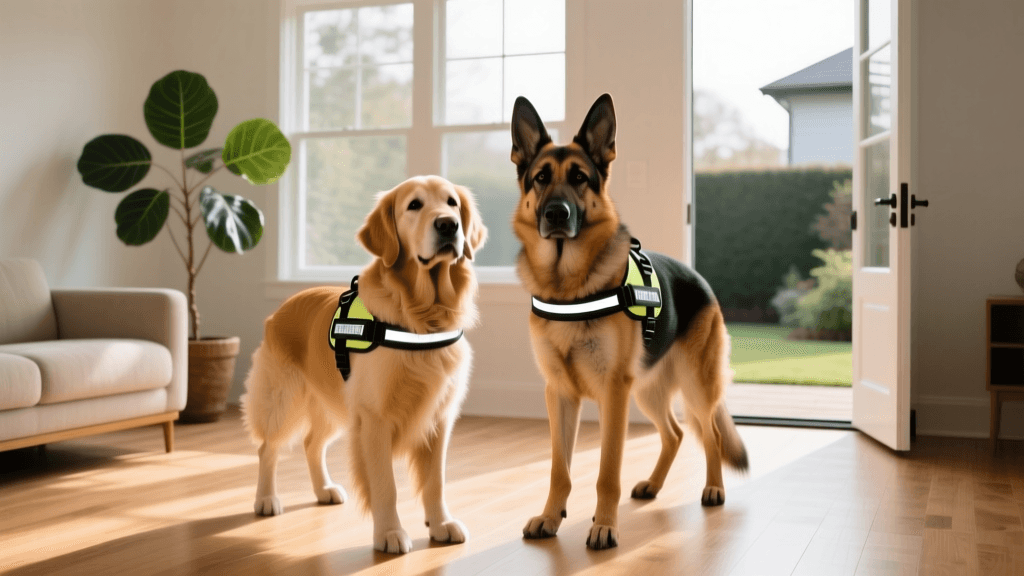
A standard walking harness will not suffice for mobility tasks. You must invest in a custom-fitted mobility harness with a rigid handle for bracing and a D-ring for pulling. Brands like BrilliantK9 and Ruffwear offer advanced ergonomic harnesses designed to distribute weight evenly across the dog's chest and shoulders, preventing tracheal damage and spinal misalignment during tasks.
Navigating Legal Rights and Public Access
Understanding your legal rights is paramount when getting a service dog. Under the ADA's official service animal guidelines, mobility dogs are permitted to accompany their handlers anywhere the general public is allowed, including restaurants, grocery stores, and hospitals. Business owners may only ask two specific questions: if the dog is required because of a disability, and what specific task the dog is trained to perform.
For handlers who travel, the US Department of Transportation enforces the Air Carrier Access Act (ACAA). According to the DOT's aviation consumer protection guidelines, airlines must permit service dogs to fly in the cabin free of charge, provided the handler submits the required DOT Service Animal Air Transportation forms prior to the flight. It is important to note that emotional support animals no longer qualify for these federal flight accommodations; the dog must be individually trained to perform work or tasks for a person with a disability.
Final Thoughts on Your 2026 Journey
Getting a mobility service dog is a profound commitment that blends the joy of canine companionship with the rigors of managing a working partnership. By carefully selecting the right breed, budgeting for the true costs of training and gear, and preparing your home to support your dog's physical health, you are setting the stage for a successful, life-enhancing partnership. Take your time, consult with accredited professionals, and ensure that every decision you make prioritizes the long-term well-being of both you and your future working dog.
jonas-cole
All our authors care for dogs every day — read more of their work on the authors page.