Understanding the MDR1 Gene: Behavioral Health in Herding Breeds
Discover how the MDR1 gene mutation impacts behavioral health and medication safety in herding breeds, and learn actionable genetic testing advice.

The Intersection of Canine Psychology and Genetics
Dogs are not merely shaped by their environment and training; their DNA fundamentally dictates their instincts, stress responses, and even how they metabolize medications. For owners of herding breeds like the Border Collie, Australian Shepherd, Shetland Sheepdog, and German Shepherd, understanding the intersection of breed-specific psychology and genetic health profiles is absolutely critical. While these breeds are celebrated for their brilliance and work ethic, their unique neurological wiring also makes them highly susceptible to specific behavioral challenges. When behavioral modification alone is not enough to manage these challenges, veterinary professionals may turn to pharmacological support. However, a common genetic mutation known as MDR1 can turn standard behavioral treatments into dangerous health risks.
The Herding Brain: High Arousal and Environmental Sensitivity
To understand why herding breeds often require behavioral intervention, we must first look at their psychological profile. Herding dogs were selectively bred over centuries to control the movement of livestock across vast, unpredictable terrains. This required a specific alteration of the predatory motor sequence. While a wolf's sequence is eye -> stalk -> chase -> grab-bite -> kill -> consume, herding dogs are bred to hyper-focus on the eye, stalk, and chase phases, while inhibiting the final bite.
This selective breeding resulted in a brain that is hardwired for high environmental sensitivity, rapid decision-making, and sustained arousal. In a modern suburban environment, these same instincts can manifest as severe behavioral challenges. A Border Collie's instinct to 'herd' moving objects can turn into dangerous reactivity toward cars, bicycles, or running children. Their high arousal thresholds often lead to chronic stress, noise phobias (such as fear of thunderstorms or fireworks), and Canine Compulsive Disorder (CCD), which may present as shadow-chasing, light-reflection obsession, or flank-sucking.
When a dog lives in a state of chronic hyper-arousal, their psychological well-being deteriorates. This is where veterinary behaviorists step in, often utilizing a combination of advanced behavior modification techniques and neuro-pharmacology to help the dog's brain achieve a state of chemical balance.
What is the MDR1 Gene Mutation?
This is where breed health profiles and genetics intersect with behavioral medicine. The Multi-Drug Resistance 1 (MDR1) gene, scientifically known as the ABCB1 gene, is responsible for producing a protein called P-glycoprotein. This protein acts as a vital pump at the blood-brain barrier, actively removing toxins and certain medications from the brain and pushing them back into the bloodstream to be safely metabolized.
According to the Washington State University's Veterinary Clinical Pharmacology Laboratory, which leads global research on this mutation, a significant percentage of herding breeds possess a genetic deletion (the ABCB1-1Δ mutation) that disables this pump. Without the P-glycoprotein pump functioning correctly, the blood-brain barrier becomes 'leaky.' Medications that would normally be safely filtered out instead accumulate in the brain tissue, leading to severe, potentially fatal neurotoxicity.
The American Kennel Club (AKC) notes that approximately 75% of Collies and 50% of Australian Shepherds carry this mutation. It is also prevalent in Shetland Sheepdogs, German Shepherds, and mixed breeds with herding lineage.
How MDR1 Impacts Behavioral Medication
When treating a herding dog for severe anxiety, aggression, or compulsive disorders, veterinarians must carefully navigate the MDR1 mutation. While many modern selective serotonin reuptake inhibitors (SSRIs) used for long-term anxiety management are safe, certain sedatives and anti-anxiety medications can trigger profound neurological depression, seizures, or even coma in MDR1-mutant dogs.
| Medication / Supplement | Common Behavioral Use | MDR1 Risk Profile | Notes for Owners |
|---|---|---|---|
| Acepromazine | Acute sedation, travel anxiety, vet visits | High Risk | Can cause profound, prolonged sedation and severe neurological depression in mutants. Often avoided by modern behaviorists. |
| Fluoxetine (Prozac) | Generalized anxiety, OCD, impulsivity | Low / Safe | Generally safe at standard behavioral doses. Monitor for mild lethargy or GI upset during the initial loading phase. |
| Trazodone | Situational anxiety, post-operative confinement | Low / Safe | Widely used and safe for MDR1 mutants at prescribed dosages. Excellent for noise phobias and vet visit prep. |
| Loperamide (Imodium) | Stress-induced colitis / GI upset | High Risk | Though not a psychotropic drug, it is often given for stress-diarrhea. It crosses the leaky blood-brain barrier and causes severe neurotoxicity. |
Genetics load the gun, but environment and training pull the trigger. Understanding your dog's genetic health profile is the first step in safely managing their psychological well-being.
Actionable Steps for Owners of Herding Breeds
If you own a herding breed or a mixed-breed rescue with herding characteristics, proactive management is essential. Here is a structured, actionable plan to safeguard your dog's behavioral and physical health.
1. Invest in Canine DNA Testing
Do not wait for a medical emergency to discover your dog's genetic profile. Canine DNA testing has become highly accessible and affordable. Tests like Embark or Wisdom Panel (costing between $100 and $200) screen for the MDR1 mutation alongside hundreds of other health markers. Alternatively, you can order a specific MDR1 test directly through the WSU Veterinary Clinical Pharmacology Laboratory for approximately $80. Turnaround time is typically 2 to 4 weeks. Once you have the results, ensure they are permanently added to your dog's veterinary medical record.
2. Implement Non-Pharmaceutical Anxiolytics
While you are building a behavioral modification plan with a professional, you can utilize safe, non-prescription calming aids to help lower your dog's baseline arousal levels. These products do not interact with the P-glycoprotein pump and are safe for MDR1 mutants:
- Adaptil Optimum Diffuser (~$25 - $30): A synthetic pheromone that mimics the comforting signals of a nursing mother dog. Plug it into the room where your dog spends the most time or sleeps.
- L-Theanine Supplements (e.g., Solliquin or Virbac Anxitane, ~$30 - $40): An amino acid derived from green tea leaves that promotes alpha-brain waves, encouraging a state of relaxed alertness without sedation. Ideal for dogs who need to remain focused during training but suffer from environmental anxiety.
- Compression Wraps (e.g., Thundershirt, ~$45): Provides gentle, constant pressure that has a profound calming effect on dogs suffering from noise phobias or separation distress.
3. Consult a Board-Certified Veterinary Behaviorist
Because herding breeds possess such complex psychological needs, standard obedience training is often insufficient for treating deep-seated anxiety or reactivity. Seek out a professional accredited by the American College of Veterinary Behaviorists (DACVB) or a Certified Applied Animal Behaviorist (CAAB). These experts understand the delicate balance between canine psychology, breed-specific instincts, and the pharmacological limitations imposed by the MDR1 mutation. They can prescribe safe SSRIs like Fluoxetine or Sertraline, carefully titrated to your dog's specific genetic and metabolic profile.
4. Breed-Specific Environmental Enrichment
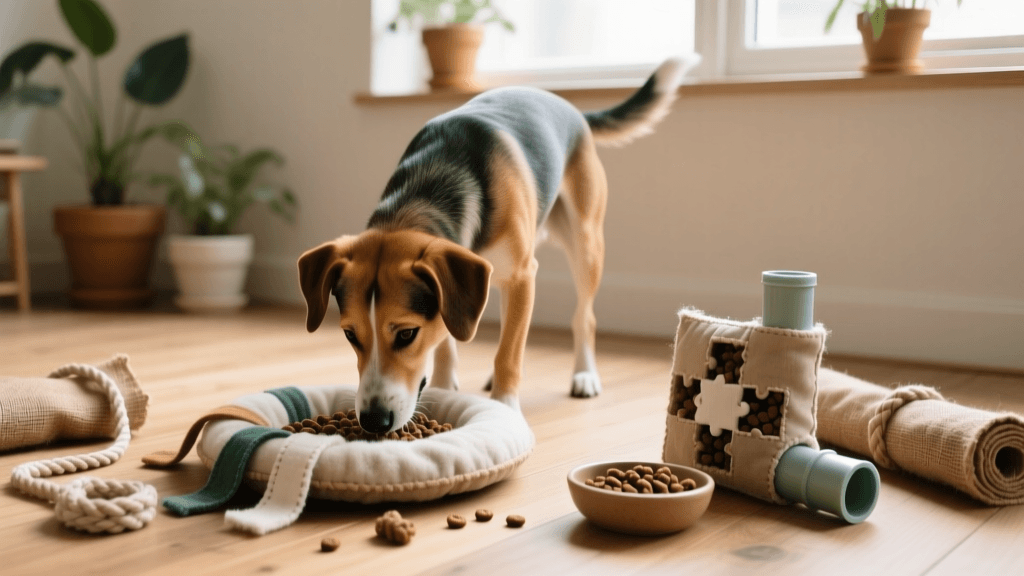
Medication and supplements should always be paired with environmental management. Herding dogs require 'sniffaris' (decompression walks on long lines where the dog dictates the pace and direction), flirt pole sessions to satisfy the 'chase' instinct safely, and complex puzzle feeders to engage their problem-solving intellect. A mentally exhausted herding dog is far less likely to develop the obsessive-compulsive behaviors that necessitate medical intervention in the first place.
Conclusion
Understanding your dog goes far beyond interpreting their body language or recognizing their breed instincts. True comprehension requires a deep dive into their genetic blueprint. The MDR1 mutation is a perfect example of how a dog's health profile directly impacts their behavioral treatment options. By combining proactive genetic testing, safe environmental enrichment, and expert behavioral guidance, you can help your high-drive herding dog navigate the modern world safely, happily, and with a balanced mind.
robin-maitland
All our authors care for dogs every day — read more of their work on the authors page.