Preventing Early Canine OA: Puppy Joint Care in 2026
Discover how to prevent and treat early-onset canine osteoarthritis in puppies. Learn about 2026 surgical options, joint supplements, and safe pain management.
Understanding Early-Onset Osteoarthritis in Puppies
When we think of canine osteoarthritis (OA), we typically picture senior dogs struggling to rise from their beds. However, the seeds of this degenerative joint disease are often sown during the first few months of a puppy’s life. For large and giant breed puppies, managing joint health is a critical component of early development. In 2026, veterinary orthopedic specialists emphasize that treating the precursors to OA—known as Developmental Orthopedic Diseases (DOD)—is the most effective way to ensure a lifetime of mobility and comfort.
True osteoarthritis is the progressive breakdown of articular cartilage. In puppies, this process is usually triggered by joint incongruity caused by conditions like hip dysplasia, elbow dysplasia, or osteochondritis dissecans (OCD). If left unmanaged, the abnormal wear and tear on a growing puppy's joints will inevitably lead to early-onset canine OA. As a responsible puppy parent, understanding the intersection of puppy care and joint preservation is paramount.
The Roots of Canine OA in Puppyhood
Developmental Orthopedic Disease (DOD) is an umbrella term for orthopedic conditions that occur in growing dogs. According to the American Kennel Club, genetics play a significant role in conditions like hip and elbow dysplasia, but environmental factors—such as rapid growth, excessive calorie intake, and high-impact exercise—are the primary triggers that turn a genetic predisposition into a painful reality.
When a puppy's joints do not form perfectly, the uneven distribution of weight causes micro-traumas to the cartilage. Over the first 12 to 18 months of life, these micro-traumas accumulate, leading to inflammation, cartilage degradation, and the eventual onset of osteoarthritis. Recognizing the early signs of joint stress is crucial for timely intervention.
Red Flag Symptoms of Joint Pain in Puppies
- "Bunny Hopping": Using both hind legs simultaneously when running or climbing stairs.
- Reluctance to Jump: Hesitating before jumping onto furniture or into the car.
- Lagging on Walks: Stopping frequently or sitting down during short excursions.
- Narrow Stance: Standing with the hind legs placed unusually close together to shift weight to the front end.
- Vocalization: Whining or yelping when picked up or when rising from a nap.
Early Surgical Interventions to Prevent OA
If your puppy is diagnosed with a developmental joint issue early enough, prophylactic surgery can alter the trajectory of their joint health, effectively delaying or preventing severe OA. In 2026, veterinary surgeons highly advocate for early screening via PennHIP or OFA preliminary evaluations for at-risk breeds.
Juvenile Pubic Symphysiodesis (JPS)
JPS is a minimally invasive, highly effective procedure designed for puppies at high risk of hip dysplasia. By applying electrocautery to the growth plate of the pubic bone, the surgeon induces premature fusion of the lower pelvis. As the upper pelvis continues to grow, the hip sockets (acetabula) are forced to rotate outward, creating a deeper, more secure fit for the femoral head. This procedure must be performed between 12 and 16 weeks of age (and no later than 20 weeks). The average cost for JPS in 2026 ranges from $1,500 to $2,500, a fraction of the cost and emotional toll of a total hip replacement later in life.
Triple Pelvic Osteotomy (TPO)
For puppies slightly older (typically 5 to 8 months) who show signs of hip laxity but have not yet developed severe arthritic changes, TPO is an option. The surgeon cuts the pelvis in three places to manually rotate the hip socket over the femoral head, securing it with a bone plate. Recovery requires strict crate rest, but the long-term OA prevention benefits are substantial.
Medical Management and Safe Pain Relief
Treating pain in a growing puppy requires extreme caution. The growth plates (physes) in a puppy's long bones are highly sensitive to certain medications. While Non-Steroidal Anti-Inflammatory Drugs (NSAIDs) like Carprofen or Meloxicam are the gold standard for adult canine OA, they are used sparingly and under strict veterinary supervision in puppies due to potential gastrointestinal and renal side effects, as well as theoretical impacts on cartilage development.
Furthermore, while anti-NGF monoclonal antibody therapies (such as bedinvetmab) have revolutionized adult OA management over the last few years, 2026 veterinary guidelines strictly advise against their use in dogs under 12 months of age. The role of Nerve Growth Factor (NGF) in the developing nervous and skeletal systems of puppies is still being studied, making traditional, short-term pain management protocols the safest route for juvenile dogs experiencing acute flare-ups.
Nutraceuticals: Building Healthy Cartilage
Nutraceuticals are a cornerstone of non-surgical OA prevention in puppies. Unlike medications, these supplements provide the building blocks necessary for cartilage repair and synovial fluid health. The U.S. Food and Drug Administration (FDA) notes that while joint supplements are not strictly regulated as drugs, veterinary-recommended brands with proven bioavailability are essential for clinical efficacy.
Omega-3 Fatty Acids (EPA and DHA)
High doses of Eicosapentaenoic acid (EPA) and Docosahexaenoic acid (DHA) interrupt the inflammatory cascade that destroys joint cartilage. For puppies, sourcing Omega-3s from wild-caught fish oil or marine microalgae is preferable to plant-based sources (like flaxseed), which dogs cannot efficiently convert. Aim for a combined EPA/DHA dose of 50-100 mg per kilogram of body weight daily, as advised by your veterinarian.
Green-Lipped Mussel (GLM) and Avocado/Soybean Unsaponifiables (ASU)
Products containing Green-Lipped Mussel provide a natural matrix of glycosaminoglycans (GAGs), while ASU has been shown to protect cartilage from degradation. Premium veterinary supplements like Dasuquin Advanced for Puppies or GlycoFlex Plus combine these ingredients with glucosamine and chondroitin to offer comprehensive joint support tailored specifically for the growing canine skeleton.
Weight Management and Controlled Exercise Protocols
Excess weight is the single most modifiable risk factor for early-onset OA. Every extra pound on a puppy's frame exerts three to four pounds of pressure on their developing joints. The World Small Animal Veterinary Association (WSAVA) recommends maintaining puppies at an ideal Body Condition Score (BCS) of 4/9 or 5/9. You should be able to easily feel your puppy's ribs without a thick layer of fat, and they should have a visible abdominal tuck when viewed from the side.
The 5-Minute Rule for Puppy Walks
Forced exercise on hard surfaces is detrimental to growing joints. To prevent repetitive stress injuries, veterinarians recommend the "5-Minute Rule": limit structured, leashed walking to 5 minutes per month of age, twice a day. For example, a 4-month-old puppy should only have 20 minutes of structured walking per session. Free play on soft, natural surfaces (like grass or dirt) is encouraged, as puppies will naturally rest when their joints fatigue.
Safe Exercises for Puppies Prone to OA
- Sniffaris: Slow, mentally stimulating walks where the puppy is allowed to sniff and explore at their own pace.
- Swimming: An excellent, zero-impact cardiovascular workout that builds muscle mass to support the joints (ensure the water is warm and the puppy wears a life vest).
- Core Strengthening: Using canine balance discs or wobble boards to build stabilizing muscles without high-impact loading.
2026 Puppy Joint Care Comparison Chart
| Treatment / Supplement | Best For | Age Restriction | Est. 2026 Cost |
|---|---|---|---|
| Juvenile Pubic Symphysiodesis (JPS) | High-risk hip dysplasia breeds | 12–16 weeks (strict window) | $1,500 – $2,500 |
| Dasuquin Advanced for Puppies | Cartilage support & DOD prevention | Safe from 8 weeks | $45 – $60 / month |
| Omega-3 Fish Oil (High EPA/DHA) | Reducing systemic joint inflammation | Safe from weaning | $20 – $35 / month |
| NSAIDs (e.g., Carprofen) | Acute pain and severe flare-ups | Strict vet supervision (usually 6mo+) | $30 – $50 / prescription |
| Orthopedic Puppy Bedding | Pressure relief during sleep | All ages | $80 – $150 (one-time) |
Environmental Modifications for Joint Health
Your home environment plays a hidden but massive role in your puppy's orthopedic health. Slippery hardwood, tile, and laminate floors force puppies to splay their legs, placing unnatural torque on the hip and shoulder joints. In 2026, it is standard practice for owners of large-breed puppies to invest in interlocking foam mats or strategically placed non-slip area rugs to cover high-traffic zones.
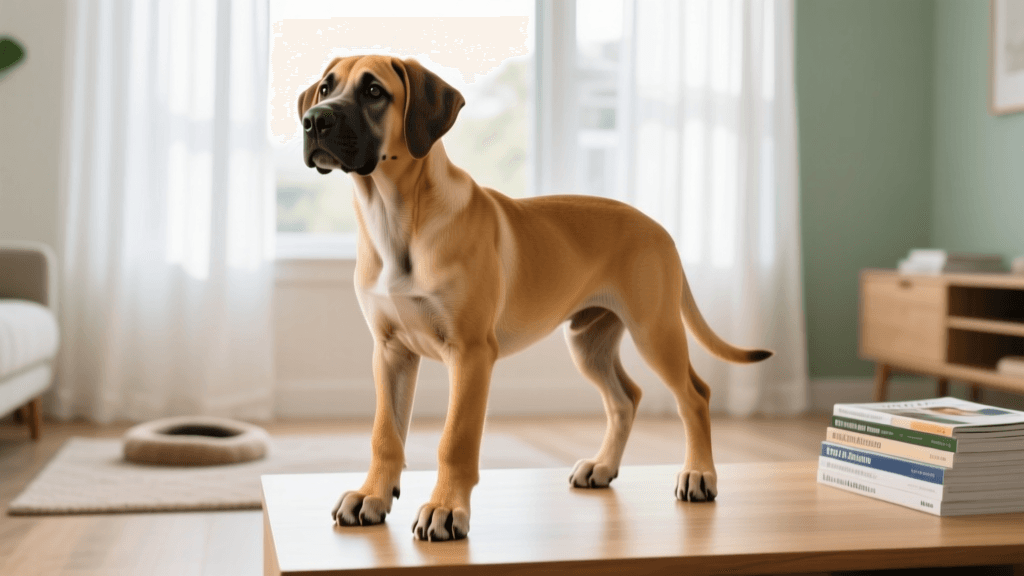
Additionally, prevent your puppy from jumping on and off high furniture. Repeated impact from jumping off a bed or sofa can cause micro-fractures in developing growth plates. Use pet ramps or stairs with a gentle incline and a high-traction surface. Finally, invest in a high-quality orthopedic puppy bed featuring supportive memory foam rather than polyfill, which flattens out and offers no pressure relief for developing joints.
Conclusion
While the term "osteoarthritis" may sound like a senior dog's problem, the battle against canine OA begins the moment you bring your puppy home. By combining proactive veterinary screenings, precise nutritional management, and a joint-friendly home environment, you can drastically alter your puppy's developmental trajectory. Prioritizing early joint care ensures that your energetic puppy grows into an agile, pain-free adult, ready to tackle a lifetime of adventures by your side.
beth-carrasco
All our authors care for dogs every day — read more of their work on the authors page.