Canine OA Treatment at Home: 2026 Daily Care & Therapy Guide
Discover practical home modifications and daily routines for managing canine osteoarthritis in 2026, including anti-NGF therapies and mobility aids.
Navigating Canine Osteoarthritis in 2026: A New Era of Daily Care
Sharing your life with a dog diagnosed with osteoarthritis (OA) requires a fundamental shift in how you structure your home, your schedule, and your approach to veterinary care. Osteoarthritis is a progressive, degenerative joint disease that affects up to 80% of dogs over the age of eight. However, the landscape of canine OA treatment in 2026 looks vastly different than it did just a few years ago. The modern approach has moved beyond simply masking pain with daily medications; it now focuses on targeted biologic therapies, environmental modifications, and proactive lifestyle management.
According to the American Animal Hospital Association (AAHA), multimodal management is the gold standard for canine OA. This means combining veterinary treatments with at-home physical adaptations and routine adjustments. In this comprehensive guide, we will explore how to optimize your daily life and home environment to keep your arthritic dog comfortable, mobile, and happy in 2026.
The 2026 Standard of Care: Anti-NGF Monoclonal Antibodies
For decades, non-steroidal anti-inflammatory drugs (NSAIDs) were the cornerstone of OA pain management. While still useful, long-term NSAID use requires rigorous hepatic and renal monitoring. As of 2026, anti-Nerve Growth Factor (anti-NGF) monoclonal antibodies, such as bedinvetmab (marketed as Librela), have become a first-line therapy for many veterinarians.
Unlike traditional painkillers that circulate systemically and are metabolized by the liver or kidneys, anti-NGF therapies specifically target the Nerve Growth Factor, a protein that plays a critical role in pain signaling. By neutralizing NGF, these therapies interrupt the pain cycle at the source. Administered as a monthly subcutaneous injection by your veterinarian, this treatment has revolutionized the daily routine for dog owners. You no longer need to wrestle with daily pill-giving or worry about missed doses causing a sudden spike in your dog's pain levels. The average cost in 2026 ranges from $150 to $250 per month, depending on your dog's weight tier, but the improvement in quality of life and mobility is frequently described as transformative.
Essential Home Modifications for Joint Health
Even with the best veterinary care, a dog with OA will struggle in an environment designed for able-bodied humans and animals. Making specific, measurable modifications to your home is crucial.
1. Flooring and Traction
Slippery surfaces like hardwood, tile, and laminate are the enemies of arthritic joints. When a dog's paws slip, their stabilizing muscles and compromised joints must work overtime to prevent a fall, leading to micro-tears and inflammation.
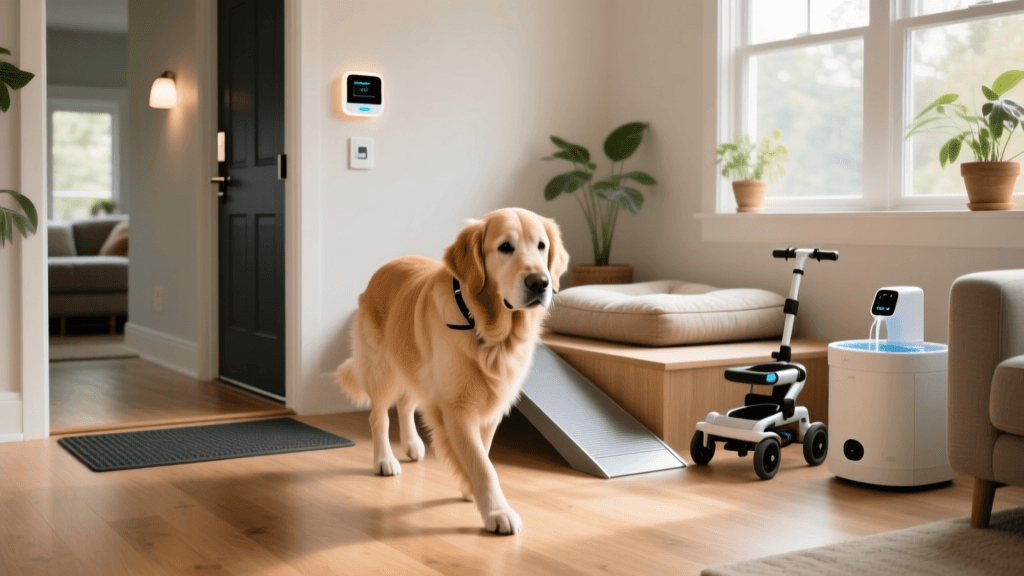
- Area Rugs and Runners: Cover high-traffic areas with low-pile, non-slip microfiber rugs. Ensure they have a rubberized backing or use a high-quality rug gripper pad underneath.
- Traction Aids: For dogs that struggle on unavoidable slick surfaces, apply a paw wax formulated for grip, or use veterinary-approved toe grips (small silicone bands that slip over the toenails to provide traction).
2. Orthopedic Bedding and Sleep Zones
A standard polyester-filled dog bed will compress under your dog's weight, offering zero joint support. In 2026, the recommendation is to invest in high-density memory foam beds.
- Foam Density: Look for beds with a minimum foam density of 4 pounds per cubic foot. This ensures the foam will not bottom out when your dog lies down.
- Thickness: The bed should be at least 4 inches thick to properly distribute weight and relieve pressure points on the hips and elbows.
- Thermal Support: Consider beds with integrated, low-voltage heating pads or use microwavable thermal inserts during colder months to keep joint fluids viscous and comfortable.
3. Ramps and Accessibility
Jumping onto couches, beds, or into vehicles places immense acute stress on the spine and hindquarters. Ramps are essential, but the angle is critical.
- The 1:4 Slope Ratio: For every 1 inch of vertical height, you need 4 inches of ramp length. For example, to reach a 16-inch high SUV cargo area, your ramp must be at least 64 inches long.
- Surface Grip: Ensure the ramp features a high-traction surface, such as artificial turf or ribbed rubber, rather than sandpaper, which can wear down paw pads over time.
Restructuring Your Daily Routine
Managing OA is not just about what you buy; it is about how you spend your time with your dog. The goal is to maintain muscle mass without overloading the joints.
The 'Sniffari' and Low-Impact Exercise
Long, brisk walks on pavement can exacerbate joint inflammation. Instead, transition to the 'Sniffari' model. A 20-minute walk where the dog is allowed to stop, sniff, and explore at their own pace provides immense mental stimulation and low-impact physical movement. Sniffing lowers a dog's heart rate and provides cognitive fatigue, which is often more satisfying than a purely physical run. Keep walks to 10-15 minutes, twice a day, rather than one long 30-minute trek.
Enrichment Without Strain
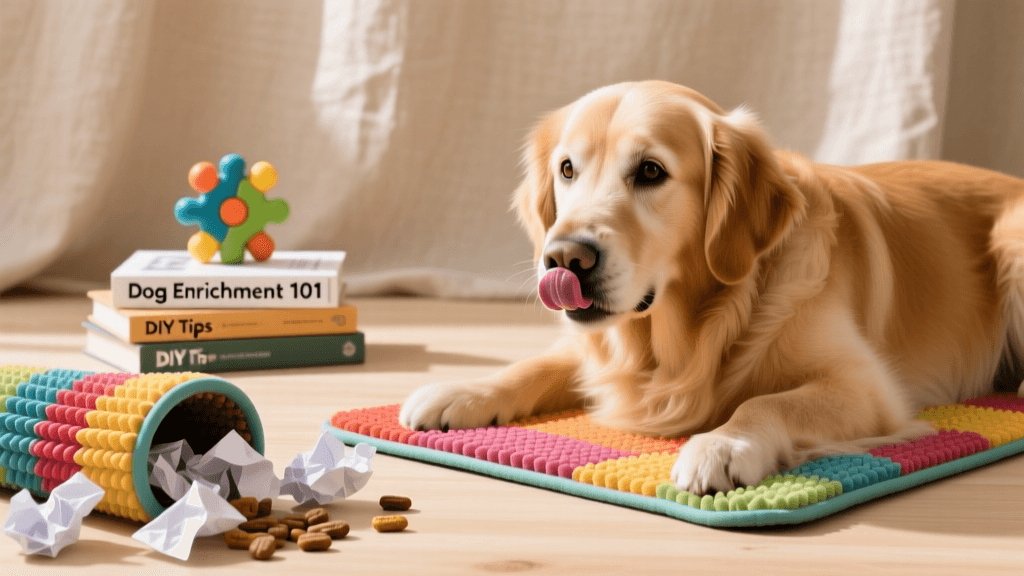
On days when your dog is experiencing an OA flare-up and needs strict rest, mental enrichment becomes your best tool. Utilize snuffle mats, frozen lick mats, and puzzle feeders. These activities keep the dog engaged and release endorphins without requiring them to stand, pace, or bear weight on sore joints.
Treatment Comparison Chart: 2026 OA Protocols
Understanding the tools in your veterinary arsenal helps you make informed decisions with your veterinarian. Below is a comparison of common OA treatments utilized in 2026.
| Treatment Type | Examples | Administration | Primary Benefit | Considerations |
|---|---|---|---|---|
| Anti-NGF Biologics | Bedinvetmab (Librela) | Monthly Vet Injection | Targets pain signaling directly; no liver/kidney metabolism. | Higher monthly cost; requires clinic visits. |
| NSAIDs | Carprofen, Meloxicam | Daily Oral Medication | Reduces acute inflammation and swelling. | Requires routine bloodwork; GI upset risk. |
| Nutraceuticals | EPA/DHA, Green Lipped Mussel | Daily Oral Supplement | Supports joint cartilage and reduces baseline inflammation. | Takes 4-8 weeks to see clinical effects. |
| Adequan Injections | Polysulfated Glycosaminoglycan | Bi-weekly Vet Injections | Inhibits cartilage degradation; promotes joint lubrication. | Requires loading dose schedule. |
Leveraging Wearable Tech to Monitor Pain
One of the most significant advancements in home care by 2026 is the integration of advanced smart collars and wearable health trackers. Dogs are stoic and often hide pain until it becomes severe. Modern GPS and activity trackers now feature sophisticated accelerometers that monitor your dog's 'resting vs. active' ratios, sleep disturbances, and scratching/shaking frequencies.
If your dog typically sleeps through the night but your wearable app alerts you to frequent pacing or restlessness at 3:00 AM, this is an early, objective indicator of an OA pain flare-up. You can share this data directly with your veterinarian to adjust medications before your dog exhibits obvious signs of limping or lethargy. The American Kennel Club (AKC) frequently highlights the importance of monitoring subtle behavioral changes, and wearable tech bridges the gap between observation and data.
Weight Management and Nutritional Support
No amount of medication or home modification can overcome the mechanical stress of excess weight. Keeping an arthritic dog lean is arguably the most critical aspect of OA management. You should be able to easily feel your dog's ribs without a thick layer of fat covering them, and they should have a visible abdominal tuck.
Pairing caloric restriction with targeted joint nutrition is essential. High doses of Omega-3 fatty acids, specifically EPA and DHA derived from marine sources, have been clinically proven to reduce joint inflammation. The therapeutic dose for OA is significantly higher than standard maintenance doses—often requiring between 100mg to 300mg of combined EPA/DHA per 10kg of body weight daily. Always consult your veterinarian to calculate the exact therapeutic dose and to ensure you are using a certified, heavy-metal-tested fish oil or algae-based supplement.
Conclusion: Embracing the New Normal
Living with a dog with osteoarthritis in 2026 is a journey of adaptation, empathy, and proactive care. By embracing modern anti-NGF therapies, auditing your home for traction and accessibility, and utilizing technology to monitor their comfort, you can drastically alter the trajectory of your dog's disease. OA is progressive, but with a dedicated, multimodal approach, your dog's golden years can remain comfortable, engaging, and full of joy.
aaron-whyte
All our authors care for dogs every day — read more of their work on the authors page.