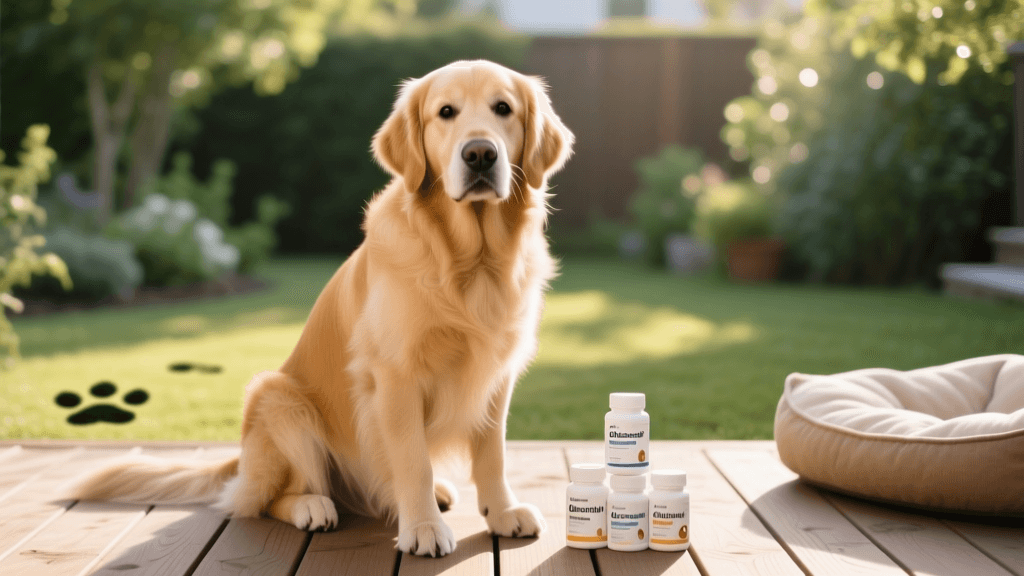
Expert Q&A: Managing Canine Osteoarthritis in Dogs
Discover expert vet and trainer advice on managing canine osteoarthritis. Learn about joint supplements, safe exercises, and pain management for dogs.

Navigating Canine Osteoarthritis: A Dual-Expert Perspective
Osteoarthritis (OA), also known as degenerative joint disease, is a progressive condition that affects the cartilage and surrounding structures of a dog's joints. According to the Merck Veterinary Manual, it is one of the most common chronic diseases seen in veterinary practice, impacting up to 20% of adult dogs and over 80% of senior dogs. Because OA is progressive and incurable, management requires a comprehensive, multimodal approach.
To help you navigate this complex condition, Paws-Tales sat down with two leading experts to bridge the gap between medical treatment and physical rehabilitation:
- Dr. Elena Rostova, DVM: A veterinarian with over 15 years of experience in canine internal medicine and chronic pain management.
- Mark Thorne, CCFT: A Certified Canine Fitness Trainer and veterinary physical rehabilitation specialist.
Q1: Recognizing the Silent Signs of Joint Pain
Dr. Rostova, what are the earliest signs of osteoarthritis that owners often miss?
Dr. Rostova: Most owners look for an obvious limp, but early OA is incredibly subtle. Dogs are stoic by nature and will mask pain until it becomes severe. Early signs are often behavioral rather than physical. You might notice your dog sleeping more, hesitating before jumping into the car, or lagging behind on walks. Some dogs will excessively lick their carpal (wrist) or stifle (knee) joints. You may also see 'bunny hopping' when they run, or a reluctance to shake off after a bath because the rapid twisting motion hurts their spine and hips. If you wait for a noticeable limp, the disease is already well-advanced.
Q2: The Veterinary Approach to Pain Management
What does a modern, multimodal pain management plan look like?
Dr. Rostova: We no longer rely solely on a single Non-Steroidal Anti-Inflammatory Drug (NSAID). A multimodal approach targets pain from multiple pathways. First, we use NSAIDs like Carprofen or Meloxicam to reduce joint inflammation. However, chronic OA causes central nervous system sensitization, meaning the brain becomes hyper-reactive to pain signals. To combat this, we add nerve pain medications like Gabapentin (typically dosed at 10-15 mg/kg every 8-12 hours) or Amantadine.
Beyond pharmaceuticals, I heavily advocate for therapeutic supplements. High-quality Omega-3 fatty acids (specifically EPA and DHA) are crucial. The therapeutic dose for joint inflammation is high: roughly 75 to 100 mg of combined EPA/DHA per kilogram of body weight daily. I also recommend joint protectants containing glucosamine hydrochloride, chondroitin sulfate, and ASU (avocado/soybean unsaponifiables), such as Dasuquin Advanced or Nutramax Cosequin. Always consult your vet before starting NSAIDs, as the U.S. Food and Drug Administration (FDA) warns of potential liver and kidney side effects if not properly monitored with routine bloodwork.
Comparing Canine Osteoarthritis Treatments
| Treatment Category | Common Examples | Onset of Action | Estimated Monthly Cost | Primary Function |
|---|---|---|---|---|
| Prescription NSAIDs | Carprofen, Meloxicam, Galliprant | 1 to 2 hours | $30 - $80 | Reduces acute joint inflammation and pain. |
| Nerve Pain Modulators | Gabapentin, Amantadine | 1 to 3 days for full effect | $15 - $40 | Blocks chronic pain signaling in the nervous system. |
| Joint Supplements | Dasuquin Advanced, Cosequin | 4 to 6 weeks | $40 - $90 | Protects cartilage and slows joint degradation. |
| Omega-3 Fatty Acids | Nordic Natural Pets, Welactin | 4 to 8 weeks | $25 - $50 | Systemic anti-inflammatory support for joints and coat. |
Q3: Modifying Exercise for Arthritic Dogs
Mark, how should owners adjust their dog's exercise routine once diagnosed?
Mark Thorne: The worst thing you can do is go from a 'weekend warrior' to a couch potato. Complete rest leads to muscle atrophy, which removes the muscular support system protecting those fragile joints. The goal is low-impact, consistent movement. Ditch the tennis ball. High-speed chasing, sudden stops, and sharp turns place immense torque on the stifles and hips. Instead, transition to structured, 15-to-20-minute leash walks on flat, even terrain.
I also highly recommend 'Sniffaris.' Mental enrichment burns just as much energy as physical exercise. Let your dog spend 20 minutes sniffing a single bush. For cardiovascular health without the joint impact, canine hydrotherapy (swimming or underwater treadmills) is the gold standard. The buoyancy of the water unloads the joints while the resistance builds muscle. If hydrotherapy isn't accessible, the American Kennel Club (AKC) suggests gentle indoor games and puzzle toys to keep them moving safely.
Q4: Environmental Modifications for the Home
What specific home modifications do you recommend to prevent slips and falls?
Mark Thorne: Hardwood and tile floors are the absolute enemy of arthritic dogs. A single slip can cause a micro-tear in a compromised joint capsule, setting your dog's progress back by weeks. You don't need to carpet the whole house, but you must create 'safe pathways' in high-traffic areas.
Actionable Home Modifications:
- Flooring: Use interlocking foam puzzle tiles or cheap Gaiam yoga mats ($30 for a 6-pack) to create non-slip pathways from the bed to the door, and around food bowls.
- Ramps and Steps: Never let an arthritic dog jump in and out of an SUV. Invest in a sturdy, wide ramp like the PetSafe Happy Ride Folding Pet Ramp ($40-$70). For couches, use foam pet stairs with a gentle incline rather than steep steps.
- Bedding: Standard dog beds flatten out and offer zero joint support. Invest in a high-quality orthopedic bed like the Big Barker 7-inch Orthopedic Dog Bed ($250-$300) or a Kuranda elevated cot, which prevents the painful struggle of standing up from a sunken position.
- Feeding Stations: Elevate food and water bowls to shoulder height. This prevents the dog from having to splay their front legs and bear excessive weight on their carpal joints and cervical spine while eating.
Q5: The Golden Rule of Weight Management
Both of you emphasize weight management. Why is it so critical, and how do we achieve it safely?
Dr. Rostova: Every extra pound of body weight places roughly four pounds of extra mechanical stress on a dog's joints. Furthermore, adipose (fat) tissue is not just inactive storage; it is an active endocrine organ that secretes pro-inflammatory cytokines, which actively worsen joint inflammation. Keeping your dog lean is the single most effective 'medication' you can give them.
Mark Thorne: We aim for a Body Condition Score (BCS) of 4 out of 9. You should be able to easily feel their ribs without pressing hard, and they should have a visible abdominal tuck. If your dog is overweight, we don't just cut food randomly. We calculate their Resting Energy Requirement (RER) and reduce their daily caloric intake by 10% to 20%. To keep them feeling full, we replace a portion of their kibble with low-calorie, high-fiber fillers like steamed green beans or plain canned pumpkin. Combine this with the low-impact walks we discussed, and you will see a massive improvement in their mobility within 60 days.
Conclusion: A Team Effort
Managing canine osteoarthritis is not a sprint; it is a lifelong marathon that requires dedication from the owner, the veterinarian, and the fitness trainer. By combining targeted pharmaceutical interventions, high-quality joint supplements, environmental modifications, and controlled, low-impact exercise, you can drastically slow the progression of the disease. Remember that pain management is highly individualized. What works for a Golden Retriever with hip dysplasia may not work for a Dachshund with spinal arthritis. Keep a daily journal of your dog's mobility, maintain open communication with your veterinary team, and focus on maximizing their comfort and quality of life every single day.
priya-sutaria
All our authors care for dogs every day — read more of their work on the authors page.