Canine OA Home Care 2026: Orthopedic Beds & Ramp Guide
Discover the best home modifications for canine OA in 2026. We review Big Barker orthopedic beds and Solvit ramps to keep your senior dog comfortable.
Understanding Canine Osteoarthritis in 2026
Osteoarthritis (OA) is a progressive, degenerative joint disease that affects nearly 20% of adult dogs and up to 80% of senior canines. As we navigate veterinary care and daily routines in 2026, the approach to treating canine OA has evolved significantly. We have moved past simple pain masking toward comprehensive, multi-modal management that combines advanced veterinary therapeutics with targeted home environmental modifications. Managing canine OA is not just about the medications your veterinarian prescribes; it is deeply rooted in how you structure your dog's daily living space. According to the VCA Hospitals, environmental management is a cornerstone of OA treatment, reducing the mechanical stress on compromised joints and preserving mobility for as long as possible.
For dog owners sharing their lives with an arthritic companion, the home environment can either be a sanctuary of healing or an obstacle course of pain. This guide explores the most effective, specific home modifications, orthopedic bedding options, and mobility aids available in 2026 to help your dog thrive despite an OA diagnosis.
The Foundation of OA Management: Orthopedic Bedding
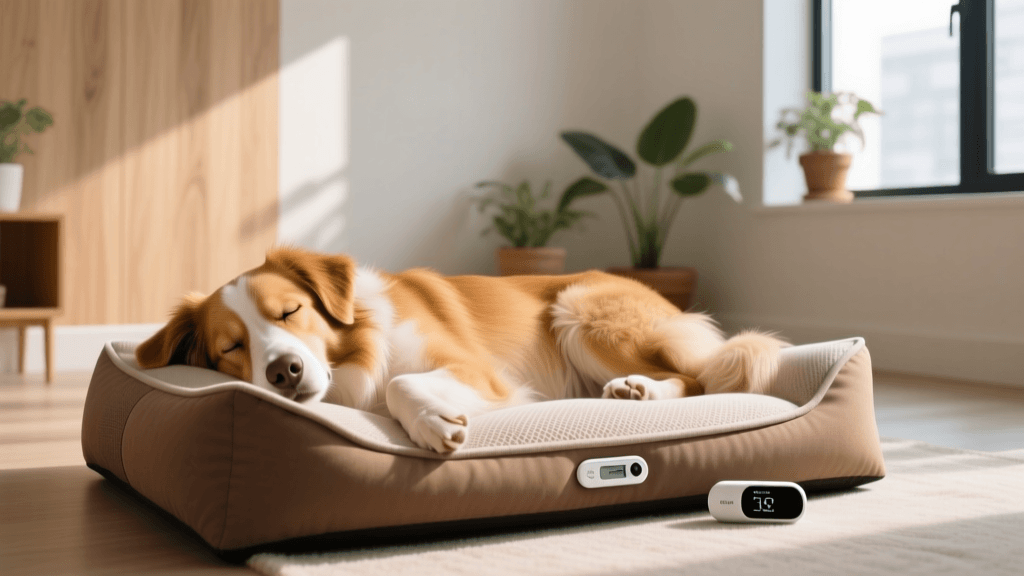
When treating canine OA at home, the surface your dog sleeps on is not a luxury; it is a medical necessity. Standard poly-fill dog beds compress entirely under the weight of a medium or large dog, leaving their joints resting directly on the hard floor. This lack of support exacerbates morning stiffness and accelerates joint deterioration.
Why Big Barker Leads the 2026 Market
The gold standard for large and giant breeds suffering from OA remains the Big Barker 7-Inch Orthopedic Dog Bed. Unlike memory foam beds that retain heat and can cause dogs to overheat, Big Barker utilizes a proprietary three-layer therapeutic foam system. The core consists of high-density American-made polyurethane foam (45 lbs density) that is guaranteed not to flatten for ten years. In 2026, pricing for the large size ranges from $259 to $319, depending on the cover material. The waterproof liner is essential for senior dogs who may experience age-related incontinence, and the microfiber cover is easily removable for machine washing.
For smaller breeds or dogs with mild OA, the FurHaven Orthopedic Sofa Bed offers a budget-friendly alternative, typically priced around $45 to $65 in 2026. While it utilizes egg-crate orthopedic foam rather than high-density therapeutic blocks, it provides adequate support for dogs under 40 pounds and features bolsters that support the neck and spine.
Mobility Aids: Preserving Joints with Ramps and Stairs
Jumping on and off furniture or out of vehicles creates an impact force of up to three times a dog's body weight upon landing. For a 70-pound Labrador with hip dysplasia and secondary OA, this equates to over 200 pounds of sheer force absorbed by inflamed joints. Eliminating vertical leaps is critical.
Choosing the Right Incline
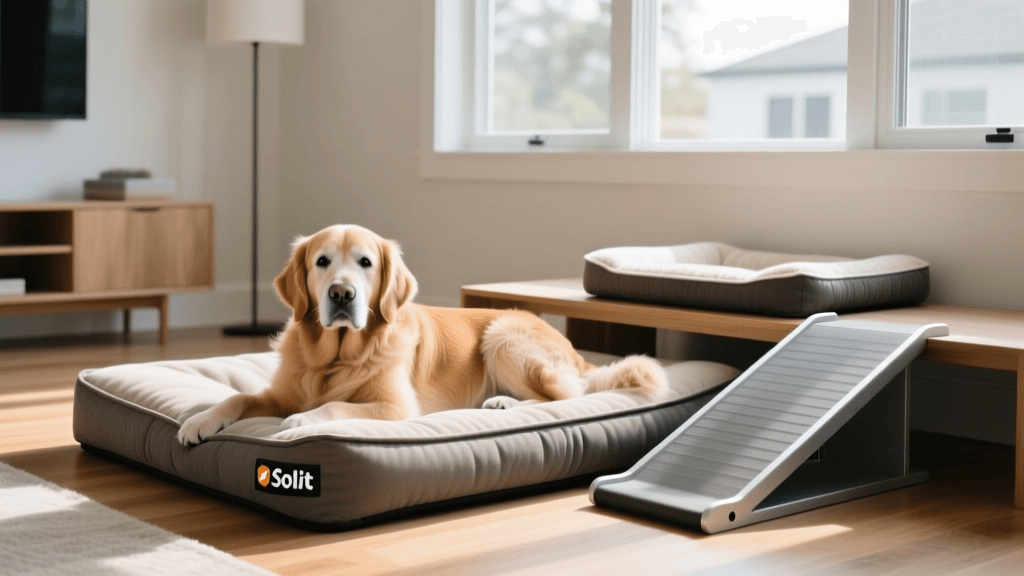
The PetSafe Solvit Half Ramp II is a top-tier choice for vehicle loading and high beds. Its telescoping design allows you to adjust the length, which in turn adjusts the incline. A gentler incline (achieved by extending the ramp fully) requires less muscular exertion from the hindquarters. The high-traction sandpaper-like surface is vital; arthritic dogs often lack the proprioception and grip strength to navigate smooth plastic ramps safely.
For indoor furniture like couches and low beds, the PetSafe PupSTEP Plus Pet Stairs are highly recommended. The stairs feature a built-in safety rail and a 5-inch step rise, which is manageable for most medium-sized arthritic dogs. The folding design allows you to tuck them away when not in use, maintaining your home's aesthetic.
2026 Ramp and Bed Comparison Chart
| Product | Type | Weight Limit | Best For | 2026 Price |
|---|---|---|---|---|
| PetSafe Solvit Half Ramp II | Telescoping Ramp | 200 lbs | SUVs, trucks, and high beds | $89.95 |
| PetSafe PupSTEP Plus | Folding Stairs | 150 lbs | Couches and low platform beds | $54.95 |
| Big Barker 7" Orthopedic Bed | Therapeutic Foam Bed | N/A | Large/Giant breeds with severe OA | $259.00+ |
| K&H Thermo-Pet Mat | Heated Pad | N/A | Chilly climates and stiff joints | $42.00 |
Environmental Modifications for Slippery Floors
Hardwood, laminate, and tile floors are the natural enemies of arthritic dogs. When a dog slips, their paws splay outward, placing immense lateral torque on the carpal (wrist) and tarsal (ankle) joints, as well as the hips and shoulders. Covering high-traffic pathways with non-slip rugs is mandatory.
In 2026, interlocking foam floor tiles (often used in home gyms) covered by low-pile, washable area rugs provide the ultimate combination of shock absorption and traction. Brands like Gorilla Grip offer non-slip rug pads that grip hardwood floors aggressively without leaving chemical residues. Additionally, keep your dog's nails trimmed strictly to the quick. Overgrown nails act like cleats on smooth surfaces, preventing the paw pads from making full contact with the floor and drastically reducing natural traction.
Temperature and Climate Control
Cold weather and damp environments are notorious for triggering OA flare-ups. The synovial fluid that lubricates arthritic joints becomes more viscous in cold temperatures, leading to increased stiffness and pain. If your home features drafty floors or air conditioning that chills the lower levels of the house, supplementary heat is required.
The K&H Pet Products Thermo-Pet Mat is an excellent, low-wattage heated pad that warms to a dog's natural body temperature only when they lie on it. Placing this mat inside their primary orthopedic bed or in their favorite sunny spot ensures their joints remain warm and pliable throughout the day. For winter walks, invest in a well-fitted canine fleece or neoprene sweater that covers the lower back and hips, keeping the core and major joint groups insulated against the cold.
Synergy with 2026 Veterinary Therapies
Home modifications must work in tandem with modern veterinary treatments to be truly effective. According to the American College of Veterinary Surgeons, a multi-modal approach yields the best long-term outcomes. In 2026, anti-Nerve Growth Factor (anti-NGF) monoclonal antibodies, such as bedinvetmab (Librela), have revolutionized OA pain management. Administered as a monthly injection, these therapies target the specific proteins that transmit pain signals, offering profound relief without the gastrointestinal or renal side effects associated with long-term NSAID use.
By combining these advanced injectables with joint supplements containing omega-3 fatty acids (EPA and DHA), green-lipped mussel extract, and undenatured type II collagen, you create an internal environment that resists inflammation. Pair this internal medicine protocol with your external home modifications—ramps, orthopedic beds, and non-slip floors—and you provide a holistic safety net for your dog.
Daily Routines and Physical Therapy
Managing OA is a daily commitment. Establishing a predictable routine helps your dog anticipate movements and reduces anxiety-related muscle tension. Incorporate the following practices into your daily life:
- Controlled Leash Walks: Avoid off-leash park visits where sudden sprinting and sharp turns can tear compromised ligaments. Stick to structured, 15-to-20-minute leash walks on flat, even terrain.
- Effleurage Massage: Spend five minutes each evening gently stroking the large muscle groups of the hindquarters and shoulders. This light massage technique stimulates blood flow, flushes metabolic waste from stiff muscles, and provides comforting bonding time.
- Elevated Feeding Stations: While controversial for breeds prone to gastric dilatation-volvulus (bloat), slightly elevated food and water bowls can relieve severe neck and shoulder OA. Consult your vet to determine if the joint benefits outweigh the bloat risks for your specific breed.
- Weight Management: This cannot be overstated. Keeping an arthritic dog at a lean body condition score (where ribs are easily felt but not seen) is the single most effective way to slow the progression of OA. Every extra pound is a multiplier of force on the joints.
"The goal of treating canine osteoarthritis in 2026 is not just to extend the dog's life, but to extend the life within the dog. By modifying the home environment, we give them the dignity of independence and the comfort of pain-free movement."
Living with a dog suffering from osteoarthritis requires patience, investment, and a willingness to adapt your shared living space. By strategically deploying therapeutic bedding like the Big Barker, utilizing mobility aids like the Solvit ramps, and maintaining a rigorous daily routine, you can ensure your loyal companion enjoys their senior years with the comfort and dignity they deserve.
marcus-aldridge
All our authors care for dogs every day — read more of their work on the authors page.