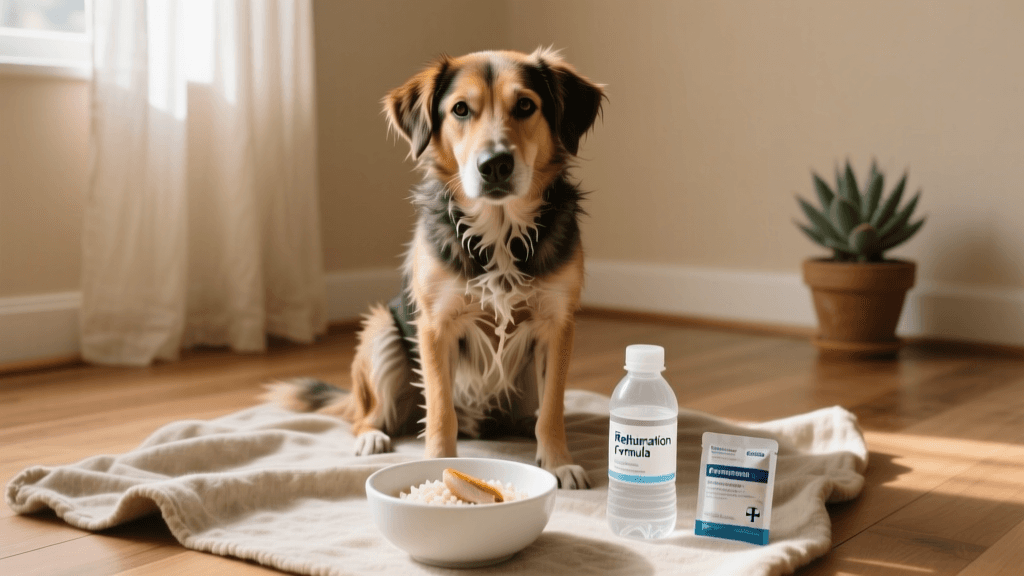
Managing Canine Cognitive Dysfunction in Senior Dogs
Learn how to identify and manage Canine Cognitive Dysfunction in senior dogs with practical tips on supplements, diet, and environmental enrichment.

Understanding Canine Cognitive Dysfunction (CCD)
As our canine companions enter their golden years, typically around the age of 10 to 12, pet parents often notice subtle shifts in behavior that go beyond normal aging. Canine Cognitive Dysfunction (CCD), often referred to as dog dementia, is a progressive neurological disorder that affects a dog's memory, learning, perception, and awareness. According to veterinary experts, nearly 30% of dogs aged 11 to 12 years show at least one clinical sign of CCD, and this number jumps to over 60% by the time they reach 15 years of age. Recognizing the early signs and implementing a proactive care strategy is essential for maintaining your senior dog's quality of life.
Managing CCD requires a multi-modal approach that combines environmental modifications, targeted nutritional support, mental enrichment, and, when necessary, veterinary-prescribed medications. By understanding the mechanics of this condition, you can create a supportive, stress-free environment that helps your aging dog navigate their twilight years with comfort and dignity.
Recognizing the Signs: The DISHA Framework
Veterinary behaviorists and neurologists commonly use the DISHA acronym to categorize the clinical signs of cognitive decline in senior dogs. Familiarizing yourself with these categories can help you document changes to present to your veterinarian.
- Disorientation: Your dog may wander aimlessly, get stuck in corners, stare blankly at walls, or fail to recognize familiar people and rooms in the house.
- Interactions: You might notice a decrease in social engagement. A once-affectionate dog may become irritable, clingy, or withdraw from family members and other household pets.
- Sleep-Wake Cycle Changes: This is one of the most distressing symptoms for owners. Dogs with CCD often sleep heavily during the day and pace, whine, or pant anxiously throughout the night.
- House Soiling: A previously house-trained dog may begin having accidents indoors, often appearing unaware that they have soiled or failing to signal that they need to go outside.
- Activity Level Alterations: Activity may manifest as repetitive, purposeless behaviors like excessive licking or pacing, or conversely, a severe drop in overall energy and interest in play.
If you observe any of these signs, it is critical to schedule a comprehensive veterinary exam. Conditions such as osteoarthritis, dental disease, vision loss, and urinary tract infections can mimic or exacerbate CCD symptoms. As noted by specialists at VCA Animal Hospitals, ruling out underlying metabolic or systemic illnesses is the mandatory first step before confirming a CCD diagnosis.
Actionable Home Care and Environmental Enrichment
Creating a predictable, safe environment is paramount for a dog experiencing cognitive decline. Confusion and anxiety are heightened by sudden changes, so consistency is your best tool.
Home Safety Modifications
Senior dogs with CCD are prone to getting stuck behind furniture or struggling with stairs. Use foam baby gates (approx. $30-$50) to block off staircases and restrict access to hazardous areas. If your dog paces at night, install motion-sensor LED nightlights ($15 for a 4-pack) along their primary walking routes and near their water bowl to prevent disorientation in the dark.
Invest in a high-quality orthopedic bed. The Big Barker 7-Inch Orthopedic Dog Bed (approx. $240-$300) is highly recommended for large senior breeds, as its therapeutic foam prevents joint compression and makes it easier for arthritic dogs to stand up. Place the bed in a quiet, draft-free area that remains in the exact same spot year-round.
Mental Stimulation and Enrichment
Mental exercise is just as important as physical exercise for maintaining neural pathways. Introduce low-stress enrichment activities tailored to their physical capabilities:
- Scent Work: Hide strong-smelling treats (like freeze-dried liver) in a snuffle mat ($20-$30) to encourage natural foraging behaviors without requiring intense physical exertion.
- Adapted Puzzle Toys: The Kong Senior ($15-$20) is made from a softer, purple rubber compound that is gentler on aging teeth and jaws. Stuff it with a mixture of plain pumpkin puree and low-sodium chicken broth, then freeze it for a long-lasting, soothing distraction.
- Short, Novel Walks: Instead of long, repetitive routes, take shorter 10-minute 'sniffaris' in new, quiet environments. Sniffing processes more mental data than running, helping to stimulate the brain's olfactory centers.
Nutritional Support and Cognitive Supplements
The aging brain is highly susceptible to oxidative stress and reduced glucose metabolism. Nutritional interventions aim to combat cellular damage and provide alternative energy sources for the brain. Always consult your veterinarian before introducing new supplements, especially if your dog is on other medications.
Medium-Chain Triglycerides (MCT Oil)
As dogs age, their brains become less efficient at utilizing glucose for energy. MCT oil provides an alternative energy source in the form of ketones, which the brain can readily absorb. You can use pure, unflavored human-grade MCT oil (such as Sports Research Organic MCT Oil, approx. $25). Dosage protocol: Start very slowly to avoid gastrointestinal upset. Begin with 1/4 teaspoon per 10 lbs of body weight once daily, and gradually increase over two weeks to 1/2 teaspoon per 10 lbs, split between morning and evening meals.
Antioxidants and Omega-3 Fatty Acids
Diets rich in antioxidants (Vitamins E and C, beta-carotene) and Omega-3 fatty acids (specifically EPA and DHA) help reduce neuroinflammation. Prescription diets like Hill's Prescription Diet b/d (Brain Aging Care) or Purina Pro Plan Veterinary Diets NC NeuroCare are clinically proven to improve cognitive function in dogs within 30 to 60 days of consistent feeding.
Comparison Table: Top Cognitive Supplements for Senior Dogs
If prescription diets are not viable, standalone veterinary-formulated supplements are an excellent alternative. Below is a comparison of widely recommended cognitive support supplements:
| Supplement Brand | Key Active Ingredients | Avg. Monthly Cost | Best Use Case |
|---|---|---|---|
| Senilife (Ceva) | Phosphatidylserine, Ginkgo Biloba, Resveratrol | $45 - $55 | Mild to moderate memory loss and disorientation |
| Novifit (Virbac) | S-adenosylmethionine (SAMe), Vitamin E & B6 | $50 - $65 | Dogs showing signs of anxiety, lethargy, and sleep disruption |
| Nutramax CogniSoft | Apoaequorin (calcium-binding protein), B-Vitamins | $35 - $45 | Early-stage cognitive decline and learning deficits |
| Zesty Paws Senior Bites | Lion's Mane Mushroom, MCT Oil, Glucosamine | $25 - $30 | Budget-friendly daily maintenance for joint and brain health |
Veterinary Interventions and Medications
When environmental and nutritional modifications are not enough to halt the progression of symptoms, veterinary pharmacology can offer significant relief. The most common FDA-approved medication for CCD is Selegiline hydrochloride (Anipryl). Selegiline works by inhibiting the breakdown of dopamine, a neurotransmitter crucial for learning and memory. It also acts as a neuroprotectant by reducing free radical production in the brain.
Anipryl is administered as a daily oral tablet, typically given in the morning. The cost generally ranges from $40 to $80 per month, depending on your dog's weight. It may take up to 4 to 8 weeks to see noticeable improvements in sleep cycles and social interactions. In some cases, veterinarians may also prescribe short-term anti-anxiety medications like Trazodone ($10-$20/month) or Gabapentin to help manage severe nighttime restlessness and pacing.
Establishing a Predictable Daily Routine
Dogs with dementia thrive on predictability. A rigid daily schedule reduces the cognitive load required to navigate their day, thereby decreasing anxiety. Here is a sample routine optimized for a senior dog with CCD:
- 7:00 AM: Wake up, immediate outdoor bathroom break in the same designated spot.
- 7:30 AM: Breakfast mixed with MCT oil and cognitive supplements. Followed by 10 minutes of gentle indoor scent-work.
- 10:00 AM: Short 15-minute leash walk in a quiet, familiar neighborhood to encourage sensory stimulation.
- 12:00 PM: Mid-day bathroom break and a frozen Kong Senior toy for quiet resting time.
- 3:00 PM: Gentle massage or brushing session to promote circulation and bonding.
- 5:30 PM: Dinner and evening bathroom break.
- 8:00 PM: Dim the household lights to signal the approach of nighttime. Play white noise or classical music to soothe the nervous system.
- 10:00 PM: Final bathroom break and bedtime in their orthopedic bed.
Final Thoughts on Senior Dog Wellness
Caring for a dog with Canine Cognitive Dysfunction is a profound act of love that requires patience, observation, and adaptability. While there is currently no cure for CCD, early intervention through targeted nutrition, environmental enrichment, and veterinary care can dramatically slow the progression of the disease. According to research highlighted by Texas A&M Veterinary Medicine, proactive management not only extends the lifespan of senior dogs but significantly enhances the quality of the time they have left. By implementing the strategies outlined above, you can ensure your loyal companion remains comfortable, engaged, and deeply loved throughout their senior years. For further reading on breed-specific aging and wellness, the American Kennel Club (AKC) offers excellent resources tailored to your dog's unique genetic background.
aaron-whyte
All our authors care for dogs every day — read more of their work on the authors page.