Low-Impact Trick Training For Dogs With Canine OA 2026
Discover 2026 techniques for low-impact trick training and cognitive conditioning to keep your canine OA dog mentally sharp and physically comfortable.
The Intersection of Canine OA Treatment and Behavioral Training
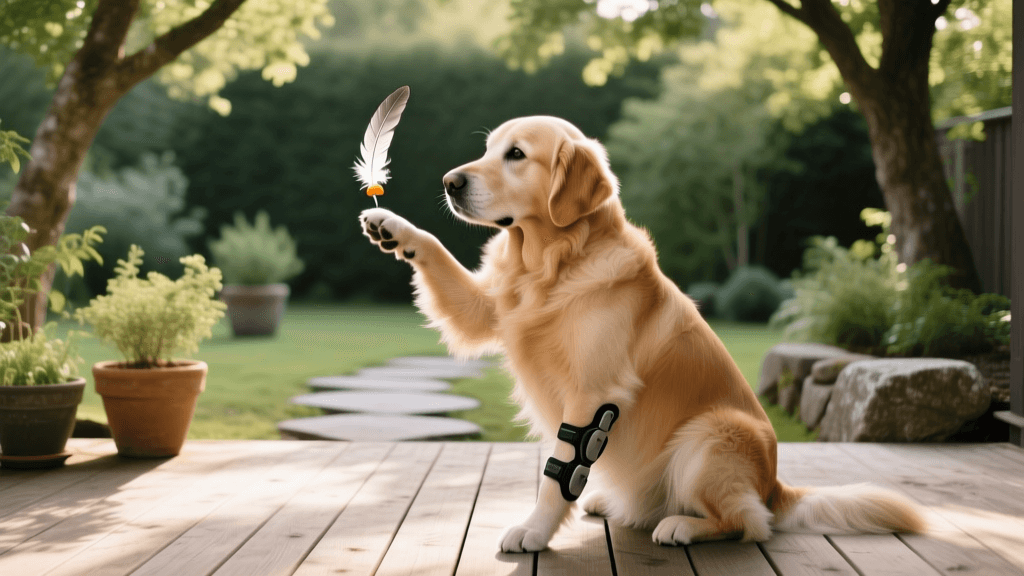
When a dog is diagnosed with osteoarthritis (OA), the immediate focus often shifts entirely to veterinary interventions: NSAIDs, monoclonal antibody therapies, and joint supplements. However, as veterinary behaviorists and canine rehabilitation specialists emphasize in 2026, a comprehensive canine OA treatment plan must also address the dog's psychological and cognitive needs. For dogs who have spent their lives engaged in obedience, agility, or active trick training, a sudden halt to mental stimulation can lead to anxiety, depression, and destructive behavioral conditioning.
Training is not just about compliance; it is a vital form of cognitive enrichment. According to the American Kennel Club's guide on canine osteoarthritis, managing the disease requires a multi-modal approach that includes weight management, controlled exercise, and environmental modifications. By adapting our training methods to accommodate arthritic joints, we can provide the mental fatigue and emotional satisfaction our dogs crave without exacerbating their physical pain.
Adapting Traditional Obedience for Arthritic Joints
Traditional obedience training relies heavily on repetitive physical movements. Commands like 'sit,' 'down,' and 'stand' require significant flexion and extension of the hips, knees, and elbows. For a dog with OA, the repetitive compression of inflamed joint capsules during a standard 15-minute training session can cause micro-trauma and lingering pain.
Replacing High-Impact Commands
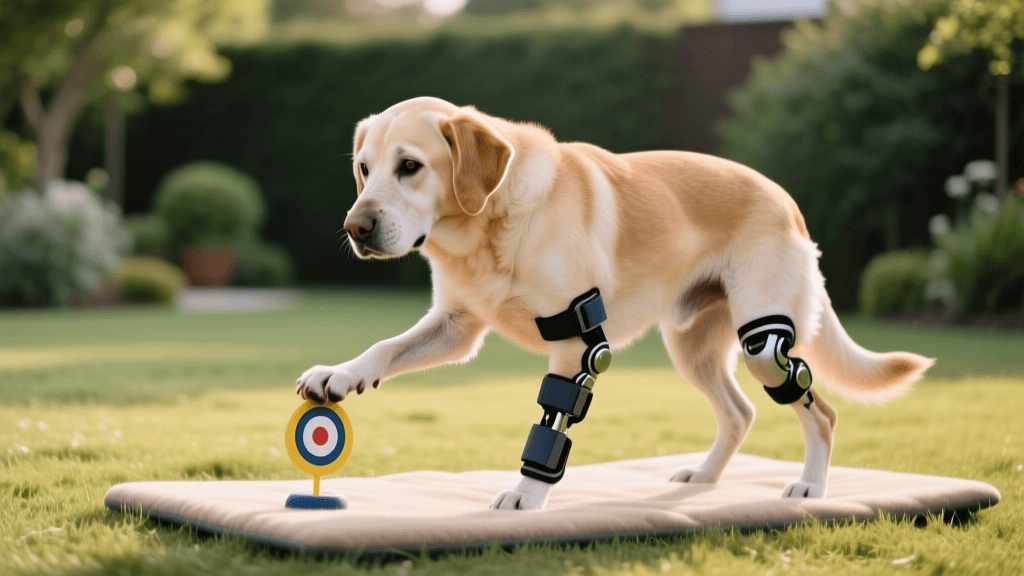
In 2026, modern behavioral conditioning favors 'joint-sparing' alternatives. Instead of asking an arthritic dog to repeatedly drop into a down position, we utilize a 'place' command on an elevated, orthopedic memory foam bed. This allows the dog to engage in stationing and impulse control training while remaining in a comfortable, supported standing or relaxed lying position. Similarly, instead of teaching a 'sit' for greetings, we condition a 'hand target' or 'chin rest,' which keeps the spine neutral and the hips extended.
Top 5 Low-Impact Tricks for Cognitive Conditioning
Trick training is an excellent way to bond with your dog while keeping their brain sharp. The following table outlines five low-impact tricks specifically curated for dogs with canine OA, focusing on scent, targeting, and cognitive problem-solving rather than physical exertion.
| Trick Name | Physical Demand | Cognitive Benefit | Primary Training Tool |
|---|---|---|---|
| Hand Targeting (Touch) | Very Low | Focus and spatial awareness | Soft treat pouch |
| The Chin Rest | Very Low | Impulse control and calming | Padded stool or owner's knee |
| Scent Discrimination | Low (Sniffing) | Olfactory processing, confidence | Birch/Anise essential oils, cotton swabs |
| Name That Toy | Low (Gentle retrieve) | Memory and auditory processing | Distinctly textured toys |
| Paw Wipe | Low (Limb extension) | Proprioception and handling | Microfiber towel, lick mat |
1. Hand Targeting (Touch)
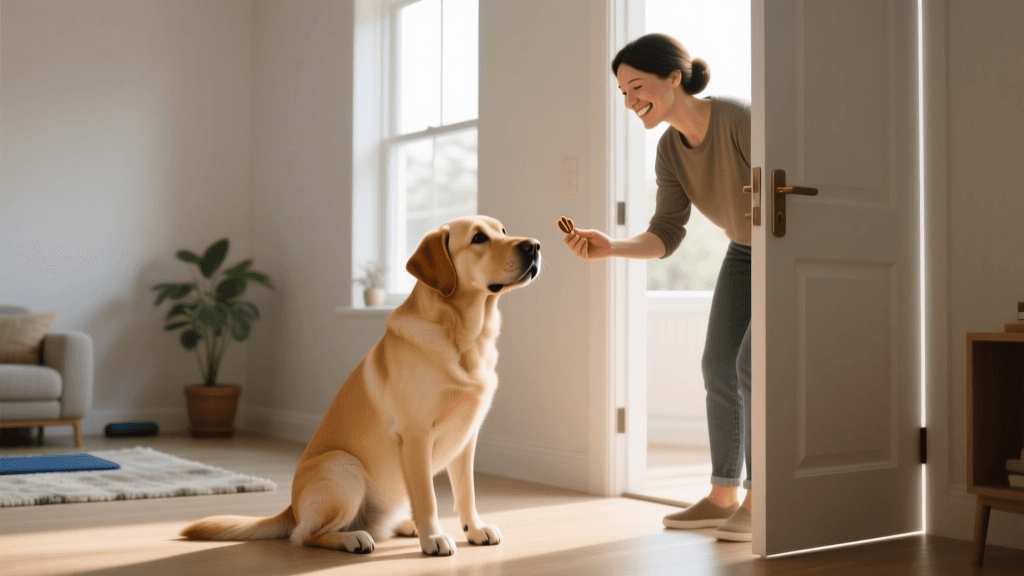
Hand targeting involves teaching your dog to touch their nose to the palm of your hand. This is a foundational behavior that can be used to guide your dog through doorways, onto car ramps, or away from distractions without ever needing to pull on a leash or ask for a sharp pivot. To teach this, present your flat palm an inch from your dog's nose. When they investigate and their nose makes contact, mark the behavior with a clicker or a verbal 'yes' and reward. Gradually increase the distance, but keep the movements slow and at the dog's natural head height to prevent neck strain.
2. The Chin Rest
The chin rest is a stationary trick that promotes relaxation and is highly useful for veterinary exams or grooming. Place a soft cushion or use your own knee while seated. Lure your dog's head downward with a treat until their chin rests on the surface. Mark and reward. Over time, fade the lure so the dog offers the behavior on cue. This trick requires zero joint compression and actually encourages a parasympathetic (rest and digest) nervous system response, which is excellent for pain management.
3. Name That Toy
Dogs are capable of learning the names of dozens of objects. Start with two distinctly different toys, such as a 'ball' and a 'rope.' Place them a short distance away on a non-slip mat. Ask your dog to 'get the ball.' If they pick up the correct toy, reward heavily. This cognitive retrieval game tires the brain out just as much as a three-mile walk tires the body, making it a cornerstone of 2026 behavioral conditioning for mobility-impaired dogs.
The Rise of Scent Work in OA Management
Perhaps the most powerful tool in the modern canine OA treatment arsenal is scent work. A dog's olfactory system is incredibly complex, and the act of sniffing increases heart rate variability and releases dopamine. AKC Scent Work has become a premier sport and therapeutic activity because it is entirely self-paced and requires no jumping, climbing, or fast turning.
You can introduce scent work at home using 'hide and seek' games with high-value treats or specific essential oils like birch or anise. Start by hiding treats in plain sight on the floor, ensuring your dog doesn't have to navigate slippery surfaces or climb stairs to find them. As your dog's confidence grows, you can introduce snuffle mats, cardboard box mazes, and elevated hides that allow the dog to use their nose while maintaining a comfortable, standing posture.
Recognizing Pain Behaviors During Training Sessions
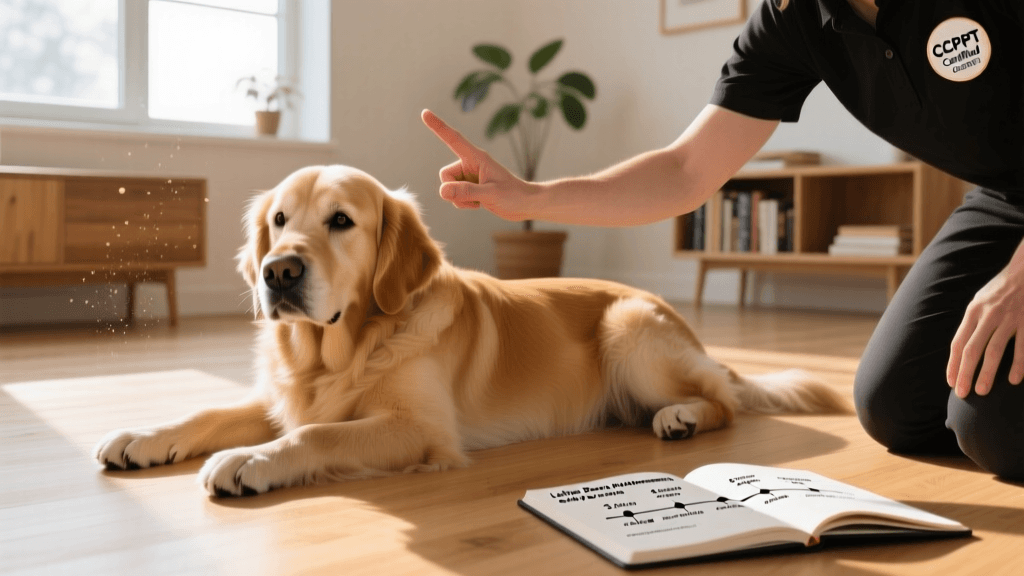
One of the greatest challenges in training a dog with OA is that dogs are stoic and evolved to mask pain. As a handler, you must become an expert in reading canine body language. If your dog suddenly becomes 'stubborn' or refuses to perform a previously known trick, do not assume it is a behavioral issue or a lack of motivation. It is highly likely a pain response.
Subtle Signs of Joint Discomfort to Watch For:
- Lip Licking and Yawning: Often misinterpreted as hunger or tiredness, these are classic calming signals that indicate stress or physical discomfort.
- Whale Eye: Showing the whites of the eyes when asked to move or shift weight.
- Hesitation: A micro-pause before executing a movement, indicating the dog is bracing for joint pain.
- Shaking Off: A full-body shake when not wet can be a way for a dog to release physical tension and reset their nervous system after a painful movement.
If you observe any of these signs, immediately end the training session on a positive note with a simple, pain-free behavior like a 'touch' or a gentle hand-feeding exercise.
Environmental Setup for Training Success
To ensure your training sessions are safe and effective, your environment must be optimized for an OA dog. In 2026, veterinary rehabilitation experts strongly recommend the following home modifications:
- Non-Slip Surfaces: Hardwood and tile floors are the enemy of arthritic joints. Use interlocking foam mats or secure, rubber-backed runners in all areas where you conduct training. A dog slipping while trying to hold a 'stay' can cause severe setbacks in their OA treatment plan.
- Elevated Treat Stations: Bending down to the floor to eat treats or meals puts unnecessary strain on the cervical spine and front shoulders. Use elevated, adjustable feeding and treat stations.
- Orthopedic Stationing Mats: When teaching 'place' or 'settle,' use a high-density, supportive orthopedic bed rather than a thin towel or flat mat. This ensures that the time spent in a 'down-stay' does not result in pressure sores or joint stiffness.
Conclusion
A diagnosis of canine osteoarthritis does not mean the end of your dog's training journey; it simply marks a pivot toward more empathetic, cognitive-based conditioning. By replacing high-impact obedience drills with low-impact trick training, scent work, and joint-sparing targeting exercises, you can maintain your dog's mental acuity and emotional well-being. As we continue to advance our understanding of canine pain management in 2026, remember that a stimulated, engaged mind is just as critical to your dog's quality of life as their physical comfort. Keep the sessions short, keep the surfaces grippy, and celebrate the brilliant mind inside your senior dog.
jonas-cole
All our authors care for dogs every day — read more of their work on the authors page.