Top 7 Quiet Dog Breeds for Apartment Living in 2026
Discover the top quiet dog breeds for apartment living in 2026. Find low-bark, adaptable companions perfect for small spaces and close neighbors.
The Rise of Urban Pet Ownership in 2026
As we navigate the housing landscape of 2026, high-density urban living has become the norm for millions of dog lovers. With the continued expansion of remote and hybrid work models, more people than ever are bringing dogs into apartments, condos, and high-rises. However, sharing walls, floors, and ceilings with neighbors means that a vocal dog can quickly lead to noise complaints, strained relationships, and even eviction under strict Homeowners Association (HOA) or strata bylaws. Choosing a breed that is genetically predisposed to be quiet and adaptable to smaller spaces is no longer just a preference; it is a necessity for harmonious apartment living.
Finding the perfect canine companion for a compact footprint requires looking beyond just size. A small dog can be incredibly yappy, while a large dog might be a silent giant. In this comprehensive guide, we explore the best low-bark, apartment-friendly dog breeds that thrive in modern urban environments, ensuring both you and your neighbors enjoy a peaceful home.
Why Choose a Quiet Dog Breed for an Apartment?
Apartment acoustics are notoriously unforgiving. Sound travels easily through ventilation shafts, shared drywall, and hardwood floors. When a dog barks at the sound of footsteps in the hallway or the ding of the elevator, it creates a stressful environment for everyone involved. Furthermore, the modern 2026 smart-home ecosystem, while advanced, cannot entirely mask the sharp, high-frequency sound of a barking dog on your neighbors' side of the wall.
Quiet dog breeds generally possess a calm temperament, lower territorial instincts, and a higher tolerance for the unpredictable noises of apartment complexes. They are less likely to experience separation anxiety-induced vocalization when you step out for groceries or head to the office. According to general guidelines on canine behavior and environmental enrichment from the ASPCA, providing a calm environment and selecting a breed suited to your lifestyle are the first steps in preventing behavioral issues like excessive barking.
Top 7 Quiet Dog Breeds for Apartments in 2026
1. Basenji (The Barkless Dog)
The Basenji is world-renowned for its unique vocal cords, which prevent it from producing a traditional bark. Instead, this ancient African breed communicates through a distinctive yodel, known as a "baroo," along with chortles and growls. While they are not entirely mute, their vocalizations are far less likely to penetrate apartment walls. Basenjis are fastidious groomers, often compared to cats, and they possess an independent, intelligent nature. They require daily mental stimulation and a good run at the local dog park, but indoors, they are typically quiet and reserved.
2. Greyhound
Often misunderstood as high-energy athletes, retired racing Greyhounds are famously dubbed "45-mph couch potatoes." In an apartment setting, they are remarkably docile, quiet, and content to lounge on a plush bed for hours. They rarely bark without a highly compelling reason. Because they are sprinters rather than endurance runners, a couple of short daily walks and one opportunity to run in a secure, fenced area are usually sufficient to keep them happy and quiet indoors.
3. Cavalier King Charles Spaniel
The Cavalier King Charles Spaniel is the epitome of a gentle, affectionate companion. Bred primarily to be lap dogs, they thrive on human contact and are highly adaptable to small spaces. They are generally quiet dogs, only barking to alert you to a visitor at the door. Their moderate energy levels mean they are happy with a daily stroll around the neighborhood, making them perfect for urban dwellers who enjoy a more relaxed pace of life.
4. Japanese Chin
With their flat faces and silky coats, Japanese Chins are aristocratic, cat-like companions. They are known for their quiet demeanor and tendency to find a high vantage point in the apartment to observe their surroundings silently. They are highly attuned to their owners' emotions and adjust their energy levels accordingly. If you are working from home, the Japanese Chin will happily sleep nearby without demanding constant attention or making a fuss.
5. Bolognese
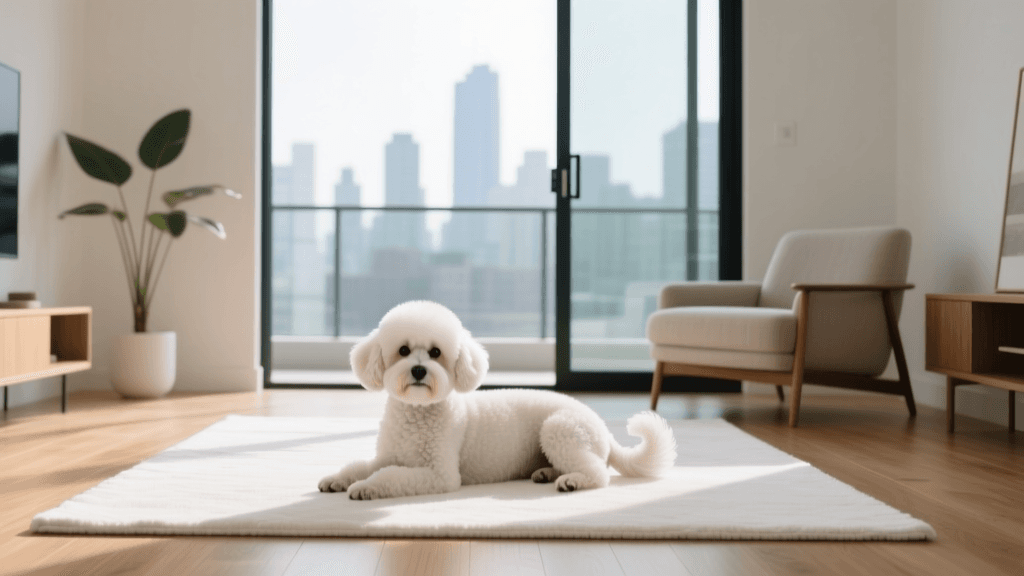
The Bolognese is a small, fluffy companion dog that is as quiet as they come. Originating from Italy, this breed is deeply devoted to its family and prefers to stay close by your side. Unlike some other small toy breeds that suffer from "small dog syndrome" and yappy tendencies, the Bolognese is notably calm and serious. As a bonus, they are considered a low-shedding breed, making them an excellent choice for apartment dwellers with mild allergies.
6. Whippet
Similar to the Greyhound but in a more compact package, the Whippet is a sleek, elegant sighthound that excels in apartment living. They are incredibly quiet, rarely barking even when playing. Whippets are sensitive dogs that form deep bonds with their owners and prefer the comfort of a warm apartment over the cold outdoors. Their short coats require minimal grooming, and their indoor laziness makes them ideal for smaller living spaces.
7. Tibetan Spaniel
Despite the name, the Tibetan Spaniel is not a true spaniel but rather an ancient watchdog breed from the Himalayas. They are alert and will certainly let you know if someone is at the door, but they are not prone to the continuous, nuisance barking seen in other watchdog breeds. Once they have assessed the situation and realized there is no threat, they quickly return to their quiet, affectionate selves. They are small, sturdy, and perfectly suited to apartment life.
Comparison Chart: Quiet Breeds at a Glance
| Breed | Weight Range | Energy Level | Bark Level | Grooming Needs |
|---|---|---|---|---|
| Basenji | 22-24 lbs | High | Very Low (Yodels) | Low |
| Greyhound | 60-70 lbs | Low (Indoors) | Very Low | Low |
| Cavalier King Charles | 12-18 lbs | Moderate | Low | Moderate |
| Japanese Chin | 7-11 lbs | Low | Very Low | Moderate |
| Bolognese | 5.5-9 lbs | Low | Low | High |
| Whippet | 25-40 lbs | Moderate | Very Low | Low |
| Tibetan Spaniel | 9-15 lbs | Moderate | Low-Moderate | Moderate |
Essential Apartment Gear for Quiet Dogs in 2026
Even the quietest breeds need environmental management to ensure they remain stress-free in a high-density building. In 2026, pet technology has advanced to help owners maintain a tranquil environment.
- Smart White Noise Machines: Hallway noises like rolling luggage, elevator dings, and neighbor conversations can trigger even a calm dog. Modern smart white noise machines can be programmed via smartphone apps to automatically increase volume during peak building traffic hours, masking triggering sounds.
- Interactive Puzzle Feeders: Mental fatigue is just as effective as physical exercise for keeping dogs calm. Utilizing advanced puzzle feeders keeps your dog's brain engaged, reducing the likelihood of boredom-induced whining or barking.
- Calming Pheromone Diffusers: Plug-in diffusers that release synthetic dog-appeasing pheromones (DAP) can significantly lower anxiety levels in dogs that are sensitive to the vibrations and sounds of apartment living.
Training Tips to Minimize Barking Triggers
While genetics play a massive role in a dog's vocal tendencies, training and socialization are equally critical. According to breed standards and behavioral notes from the American Kennel Club, understanding your specific breed's communication style is key to managing their behavior. Here are actionable training steps for apartment dwellers:
1. Desensitization to Hallway Sounds
Record the sounds of your apartment building—footsteps, doors closing, and elevators. Play these sounds back at a very low volume while feeding your dog high-value treats. Gradually increase the volume over several weeks. This classical conditioning teaches your dog that building noises predict good things, rather than signaling an intruder.
2. The "Quiet" Command
Teach your dog to speak on command, and then immediately follow it with a "quiet" command. When they stop barking, reward them heavily. This gives you a reliable verbal off-switch for the rare occasions they do decide to vocalize.
3. Window Film for Visual Triggers
If your apartment is on a lower floor or faces a busy courtyard, visual triggers like passing dogs or pedestrians can cause barking. Applying a frosted privacy film to the bottom half of your windows allows natural light in while blocking your dog's line of sight to the street.
Conclusion
Living in an apartment in 2026 does not mean you have to sacrifice the joy of dog ownership. By selecting a breed that is genetically predisposed to a quieter, more relaxed lifestyle, and by utilizing modern training techniques and smart-home tools, you can create a harmonious environment for yourself, your dog, and your neighbors. Whether you choose the barkless Basenji, the lounging Greyhound, or the affectionate Cavalier, the right quiet companion will make your apartment feel like a true home.
tom-renshaw
All our authors care for dogs every day — read more of their work on the authors page.