Getting a Dog During a Long-Distance Move: 2026 Guide
Planning a long-distance move? Learn how to safely adopt and relocate a new dog in 2026 with our expert checklist, travel tips, and cost breakdown.
The Reality of Adopting a Dog During a Major Move
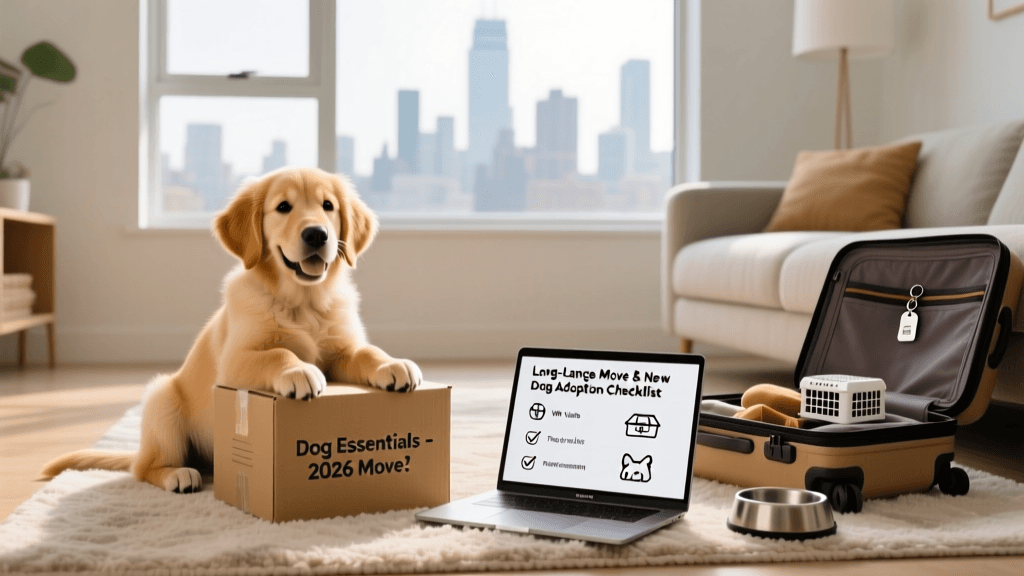
Life transitions are inevitable, and moving across the country is consistently ranked as one of the most stressful events a person can experience. Now, imagine adding a newly adopted dog to that equation. Getting a dog during a long-distance move in 2026 requires meticulous planning, emotional bandwidth, and a strategic timeline. While the idea of having a furry co-pilot for your cross-country road trip or a loyal companion to help you unpack boxes in your new home is incredibly appealing, the reality of canine decompression and travel logistics cannot be ignored.
According to the ASPCA guidelines on moving with pets, animals are highly sensitive to the chaos of packing, the disruption of their environment, and the anxiety of their owners. When you introduce a newly adopted dog—whose history, triggers, and baseline anxiety levels may be entirely unknown to you—the stakes are significantly higher. This comprehensive 2026 guide will walk you through the exact steps, costs, and timelines required to successfully merge a major life transition with the joyful responsibility of getting a new dog.
Timing Your Adoption: Before, During, or After?
The most critical decision you will make is when to bring your new dog into your life relative to your moving date. Timing is everything when it comes to canine behavioral health.
Adopting 3 to 4 Weeks Before the Move (Recommended)
If your schedule allows, adopting roughly a month before your departure is the optimal window. This gives the dog enough time to learn your scent, understand the basic layout of your current home, and establish a foundational routine. However, you must maintain strict consistency during the packing phase. Keep the dog's sleeping area, feeding station, and favorite toys completely untouched until the final 48 hours before loading the moving truck.
Adopting Mid-Move (Highly Discouraged)
Adopting a dog while you are actively living out of suitcases, staying in temporary corporate housing, or managing a cross-country drive is a recipe for behavioral disasters. The American Veterinary Medical Association (AVMA) notes that sudden environmental shifts combined with transit stress can trigger severe separation anxiety, fear-based aggression, and house-training regression in newly adopted dogs.
Adopting After Settling In (The Safest Route)
If you cannot adopt a month prior, the next best option is to wait until you have fully unpacked and established a predictable daily routine in your new home. This removes the variable of transit stress entirely, allowing the dog to decompress in a stable, permanent environment from day one.
Navigating 2026 Pet-Friendly Housing and Restrictions
The 2026 rental and real estate markets have seen a massive shift in pet policies. While more landlords are marketing properties as 'pet-friendly,' the fine print often tells a different story. Before you fall in love with a shelter dog, you must secure housing that explicitly accommodates your future pet.
- Pet Rent and Deposits: In 2026, the national average for monthly pet rent hovers between $35 and $55 per pet, with non-refundable pet fees averaging $300 to $500. Always budget for this upfront.
- Breed and Weight Restrictions: Many property management companies still enforce outdated breed-specific legislation (BSL) or weight limits (often capping dogs at 35 or 50 pounds).
- DNA Testing Requirements: To bypass unfair breed restrictions, many savvy adopters in 2026 are utilizing canine DNA testing. Companies like Embark offer comprehensive Breed ID kits. If you adopt a mixed-breed dog, a DNA certificate proving the absence of restricted breeds (like Pit Bull Terriers or Rottweilers) can often override a landlord's visual breed assumptions.
- Pet Resumes: The Humane Society of the United States recommends creating a 'pet resume' for landlords. For a newly adopted dog, this should include a letter from the shelter's behavioral assessment team, proof of immediate veterinary care, and a commitment to ongoing training.
Cross-Country Travel: Car vs. Air in 2026
If you adopt before the move, you must transport your new dog safely. The table below outlines the current landscape of long-distance pet travel in 2026.
| Travel Mode | 2026 Average Cost | Pros | Cons & Risks |
|---|---|---|---|
| Personal Vehicle | $0.65/mile (IRS rate) + Pet Gear | Maximum control, frequent potty breaks, lowest stress. | Time-consuming, requires dog-friendly hotel bookings. |
| Airline Cabin | $125 - $200 one-way | Fast, dog stays with you under the seat. | Strict carrier dimensions, usually limited to dogs under 20 lbs. |
| Airline Cargo | $300 - $800+ one-way | Allows large dogs to fly across the country. | High stress, temperature embargoes, banned for brachycephalic breeds. |
| Professional Pet Transport | $1,000 - $3,500+ | Door-to-door service, climate-controlled, insured. | Extremely expensive, requires extensive vetting of the company. |
Essential 2026 Travel Gear for Newly Adopted Dogs
Do not rely on a standard wire crate or a flimsy nylon harness for a cross-country journey. A newly adopted dog is a flight risk; if they panic at a rest stop or airport terminal, they can easily slip out of standard gear. Invest in the following 2026 travel essentials:
- Crash-Tested Harness or Carrier: The Sleepypod Mobile Pet Bed or the Kurgo TruFit Smart Harness are industry standards for vehicular safety. They are rigorously crash-tested and provide secure tethering to your vehicle's seatbelt system.
- GPS Tracking Collar: Cellular networks have expanded significantly by 2026, making GPS collars more reliable than ever. A Tractive GPS 5 or Fi Series collar provides real-time location tracking and escape alerts directly to your smartphone, offering invaluable peace of mind in unfamiliar territories.
- Enrichment and Soothing Tools: Long journeys are boring and stressful. Pack a classic Kong toy stuffed with frozen peanut butter and pumpkin, and consider using a calming pheromone spray like Adaptil on your dog's travel bedding 15 minutes before departure.
The 3-3-3 Rule of Dog Decompression
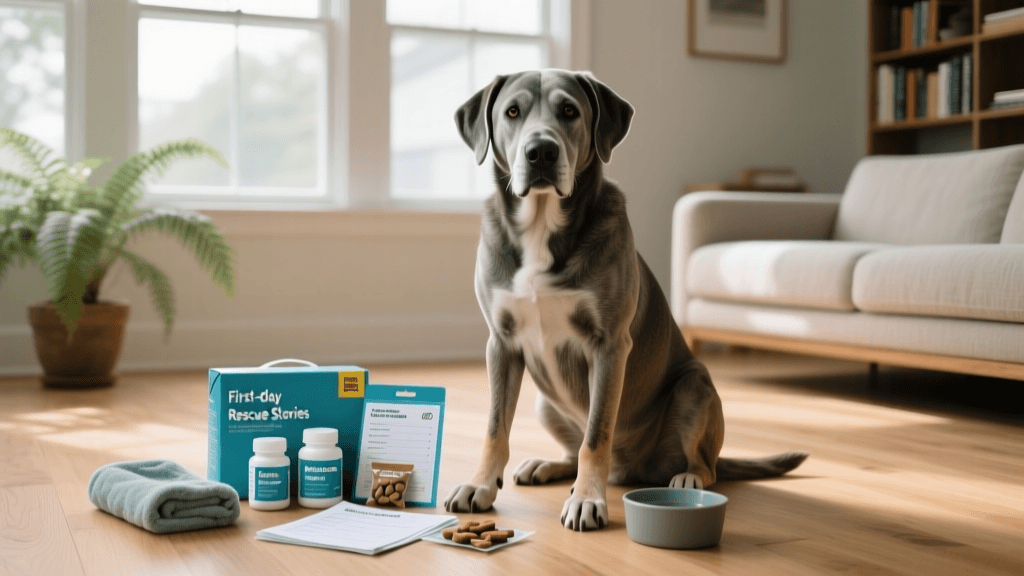
Whether you adopted before the move and traveled together, or adopted immediately upon arriving in your new city, you must respect the biological and psychological timeline of canine decompression. The '3-3-3 Rule' is the gold standard for rescue and shelter dogs navigating life transitions.
3 Days: The dog may feel overwhelmed, scared, and unsure of their new surroundings. They might hide, refuse to eat, or test boundaries. Give them a quiet, designated 'safe room' with their bed, water, and a few toys. Do not force interaction or invite guests over.
3 Weeks: The dog is starting to settle in and figure out your routine. Their true personality begins to emerge, which may include the surfacing of minor behavioral quirks or training gaps. This is the time to establish firm, positive-reinforcement-based house rules.
3 Months: The dog finally feels that this is their permanent home. A mutual bond of trust is established, and they feel secure enough to fully relax. If you adopted before the move, the 3-month mark is the ideal time to begin introducing them to local dog parks, neighborhood friends, and group training classes.
2026 Relocation Budget Breakdown for New Dog Owners
Combining a move with a new adoption requires a dedicated financial buffer. Below is a realistic estimate of the initial costs you should prepare for in 2026 when merging these two life events.
| Expense Category | Estimated 2026 Cost | Notes |
|---|---|---|
| Shelter Adoption Fee | $150 - $400 | Usually includes initial vaccines, microchip, and spay/neuter. |
| Initial Vet Visit & Preventatives | $200 - $350 | Comprehensive exam, heartworm test, and 3-month supply of flea/tick/heartworm meds. |
| Travel Gear (Harness, Carrier, GPS) | $150 - $350 | Invest in safety-certified travel equipment. |
| Pet-Friendly Hotel Stops | $50 - $100 per night | Plus potential nightly pet cleaning fees ($25-$50). |
| Housing Pet Deposit & First Month Rent | $350 - $600 | Non-refundable fee plus first month's pet rent. |
| DNA Test (for Housing Verification) | $80 - $150 | Optional, but highly recommended for mixed breeds in strict rentals. |
Final Thoughts on Life Transitions and New Dogs
Getting a dog is a monumental life transition on its own; pairing it with a long-distance move amplifies the logistical and emotional demands. However, with strategic timing, proactive housing verification, and a deep commitment to the 3-3-3 decompression rule, you can successfully navigate this dual transition. By preparing your budget and investing in 2026's best travel and safety gear, you are setting the foundation for a lifelong, secure bond with your new canine companion, no matter where the map takes you.
beth-carrasco
All our authors care for dogs every day — read more of their work on the authors page.