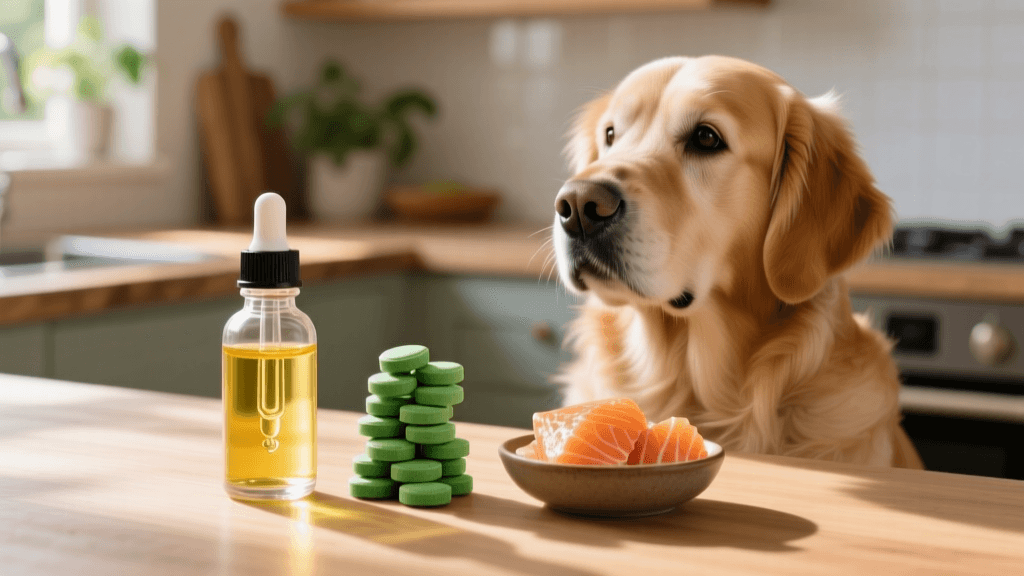
Best Omega-3 Dog Supplements 2026: Oils, Chews & Dosage
Discover the best omega-3 supplements for dogs in 2026. We compare liquid oils, chews, and whole foods for joint mobility, skin health, and proper dosing.
The Evolution of Canine Omega-3 Supplements in 2026
If you have walked down the pet supplement aisle recently, you already know that omega-3 fatty acids are no longer just a niche recommendation from veterinary dermatologists. In 2026, omega-3 supplementation has become a cornerstone of proactive canine health routines, praised for everything from soothing atopic dermatitis to preserving cognitive function in senior dogs. However, the market is flooded with options ranging from wild-caught liquid oils to microencapsulated powders and vegan algae drops. For the modern dog owner, the challenge is no longer whether to give your dog omega-3s, but rather which delivery method, concentration, and source will provide the most bioavailable benefits without adding unnecessary calories or rancid fats to their daily diet.
In this comprehensive guide, we break down the science of canine omega-3s, compare the top delivery formats available this year, and provide actionable dosing guidelines to help you make the best choice for your dog's specific health needs.
The Science: EPA, DHA, and the ALA Myth
When discussing omega-3 fatty acids, it is crucial to understand that not all sources are biologically equal for dogs. The three primary types of omega-3s are ALA (alpha-linolenic acid), EPA (eicosapentaenoic acid), and DHA (docosahexaenoic acid). While plant-based sources like flaxseed and chia seeds are rich in ALA, dogs lack the specific enzymes required to efficiently convert ALA into the highly beneficial EPA and DHA. Therefore, supplementing your dog with flaxseed oil will yield minimal anti-inflammatory results.
According to the clinical nutrition team at Tufts University Cummings School of Veterinary Medicine, marine-based sources—such as wild-caught fish oil, krill oil, and marine microalgae—are the gold standard because they provide pre-formed EPA and DHA. EPA is primarily responsible for reducing systemic inflammation, making it the star ingredient for dogs suffering from osteoarthritis, allergies, or inflammatory bowel disease. DHA, on the other hand, is vital for neurological development in puppies and cognitive preservation in aging dogs.
2026 Delivery Methods: Comparing Oils, Chews, and Toppers
Choosing the right format depends on your dog's palate, your household's daily routine, and your dog's specific caloric limits. Below is a comparison chart of the most popular omega-3 delivery methods available in 2026.
| Delivery Method | EPA/DHA Concentration | Bioavailability | Best Use Case | Average 2026 Cost |
|---|---|---|---|---|
| Liquid Pump Oils | High (Concentrated) | Excellent | Medium to large dogs; therapeutic dosing | $25 - $45 |
| Soft Chews | Low to Moderate | Good | Picky eaters; training rewards; multi-dog homes | $20 - $35 |
| Freeze-Dried Toppers | Moderate (Whole Food) | Excellent | Dogs needing whole-food nutrition; raw feeders | $30 - $50 |
| Algae-Based Drops | High (DHA focused) | Excellent | Dogs with fish allergies; sustainable households | $28 - $40 |
Breakdown of Top Delivery Formats
1. Liquid Pump Oils (Wild-Caught & Microencapsulated)
Liquid fish oils remain the most cost-effective and concentrated way to deliver EPA and DHA, especially for large breeds like German Shepherds or Golden Retrievers that require higher therapeutic doses. In 2026, the industry has largely moved away from messy squeeze bottles toward vacuum-sealed pump dispensers. These pumps prevent oxygen from entering the bottle, drastically reducing the oxidation rate and keeping the oil fresh for longer. Look for oils sourced from small, cold-water fish like sardines, anchovies, and mackerel, as they are lower on the food chain and accumulate fewer heavy metals.
2. Soft Chews and Gummies
Soft chews are incredibly popular for their convenience, but they come with a caveat: concentration. Because the active omega-3 oils must be stabilized within a chewable matrix (often using tapioca, glycerin, or chickpea flour), the actual EPA/DHA content per chew is usually much lower than a single pump of liquid oil. Furthermore, chews contain extra calories. If you are using soft chews for a small breed like a Frenchie or a senior dog on a strict weight-management plan, you must account for these extra calories to prevent obesity. Always check the guaranteed analysis on the back of the bag for the exact milligram count of EPA and DHA, not just the total 'fish oil blend' weight.
3. Freeze-Dried Whole Food Toppers
For owners who prefer a whole-food approach, freeze-dried green-lipped mussels and sardines have surged in popularity. Green-lipped mussel powder, in particular, offers a unique matrix of omega-3s alongside natural glycosaminoglycans (GAGs) and chondroitin, making it a powerhouse for joint health. Because these are whole foods, they provide a broader spectrum of micronutrients, though calculating the exact EPA/DHA dosage can be slightly more complex than with standardized oils.
4. Algae-Based Vegan Omega-3 Drops
Sustainability is a major focus in 2026 pet care. Algae-based omega-3 supplements bypass the marine food chain entirely, offering a highly concentrated, vegan source of DHA (and increasingly, EPA) without the risk of ocean-borne pollutants or the fishy odor that some owners dislike. This is also the premier choice for dogs with diagnosed seafood allergies who still require the anti-inflammatory benefits of marine-grade omega-3s.
How to Read the Label: Concentration vs. Total Oil
One of the most common traps for consumers is confusing the total amount of fish oil with the active omega-3 content. A bottle might boast '1,000 mg of Fish Oil' per serving, but if you look at the nutritional panel, it may only yield 150 mg of combined EPA and DHA. The remaining 850 mg consists of other fatty acids, including omega-6 and saturated fats, which do not provide the targeted anti-inflammatory benefits you are paying for. The American Kennel Club advises owners to always flip the bottle over and look specifically for the EPA and DHA breakdown. High-quality supplements will clearly list these two fatty acids in milligrams on the back label.
Dosage Calculations: General Health vs. Therapeutic
Dosing omega-3s is not a one-size-fits-all scenario. The required amount depends heavily on your dog's metabolic body weight and their specific health goals. For general coat health and baseline wellness, a lower maintenance dose is sufficient. However, for managing chronic conditions like osteoarthritis, atopic dermatitis, or kidney disease, veterinary dermatologists and rheumatologists recommend significantly higher therapeutic doses.
A general rule of thumb for maintenance is 50 to 75 mg of combined EPA/DHA per kilogram of body weight. For therapeutic anti-inflammatory effects, such as managing severe arthritis or allergy flare-ups, the dose can safely be increased to 100 to 150 mg per kilogram, though this should always be done under the direct supervision of your veterinarian to avoid gastrointestinal upset or clotting issues.
For example, a 20 kg (44 lb) dog would need roughly 1,000 to 1,500 mg of combined EPA/DHA daily for general wellness, but might require up to 3,000 mg daily if actively treating severe joint inflammation. Always introduce high doses gradually over a week to allow your dog's digestive system to adapt and prevent loose stools.
Storage and Rancidity: The Hidden Danger
Omega-3 fatty acids are highly unstable and prone to oxidation when exposed to heat, light, and oxygen. Rancid fish oil is not just ineffective; it is actively harmful, introducing free radicals into your dog's body that can promote cellular damage and inflammation—the exact opposite of what you are trying to achieve. To ensure safety and efficacy, follow these storage rules:
- Keep it Cool: Always store liquid fish oils in the refrigerator after opening. The cold temperature significantly slows the oxidation process.
- Block the Light: Only purchase oils housed in opaque or dark amber bottles. Clear plastic bottles expose the oil to UV light, degrading the fatty acids rapidly.
- The Sniff Test: Fresh fish oil should smell mildly of the ocean or be virtually odorless if it has been flavored with natural antioxidants like rosemary extract or vitamin E. If the oil smells sharply rancid, sour, or overwhelmingly 'fishy,' it has oxidized and should be discarded immediately.
- Check the Expiration: Even unopened bottles have a shelf life. Avoid buying bulk sizes that your dog cannot finish within 60 to 90 days of opening.
Final Thoughts for the Modern Dog Owner
Integrating omega-3 fatty acids into your dog's daily routine is one of the most impactful, evidence-based decisions you can make for their long-term vitality. Whether you opt for the high-concentration convenience of a vacuum-pumped liquid oil, the whole-food benefits of freeze-dried green-lipped mussels, or the sustainable innovation of algae drops, the key lies in verifying the EPA/DHA concentration and storing the product correctly. By following the WSAVA Global Nutrition Guidelines and consulting with your vet to establish a tailored dosage, you can ensure your dog enjoys a shinier coat, more mobile joints, and a higher quality of life well into their senior years.
jonas-cole
All our authors care for dogs every day — read more of their work on the authors page.