Best Canine Osteoarthritis Treatments in 2026: Librela vs NSAIDs
Discover the best canine osteoarthritis treatments in 2026. Compare Librela, NSAIDs, and holistic therapies to keep your senior dog mobile and pain-free.
Navigating Canine Osteoarthritis Treatment in 2026
As we move through 2026, the veterinary landscape for managing canine osteoarthritis (OA) has evolved dramatically. Osteoarthritis is a progressive, degenerative joint disease that affects an estimated 20% of adult dogs and over 80% of senior dogs. For years, pet owners relied almost exclusively on traditional non-steroidal anti-inflammatory drugs (NSAIDs) to manage their dog's pain. While effective, these medications often come with gastrointestinal, hepatic, and renal risks that require constant monitoring.
Today, the standard of care has shifted toward a multimodal approach, heavily featuring targeted biologic therapies. According to the American Veterinary Medical Association (AVMA), early intervention and consistent, multi-faceted pain management are critical to preserving a dog's quality of life. In this comprehensive guide, we will compare the newest anti-NGF monoclonal antibodies like Librela against traditional NSAIDs, explore 2026 pricing, and outline a complete home-care strategy for your arthritic dog.
The Paradigm Shift: Anti-NGF Monoclonal Antibodies
The most significant breakthrough in recent veterinary rheumatology is the widespread adoption of anti-Nerve Growth Factor (anti-NGF) monoclonal antibodies. NGF is a protein that becomes elevated in damaged joints and is responsible for transmitting pain signals to the brain. By neutralizing NGF, these medications effectively block the pain signal at its source without interfering with the body's natural inflammatory response or organ function.
Librela (Bedinvetmab) for Dogs
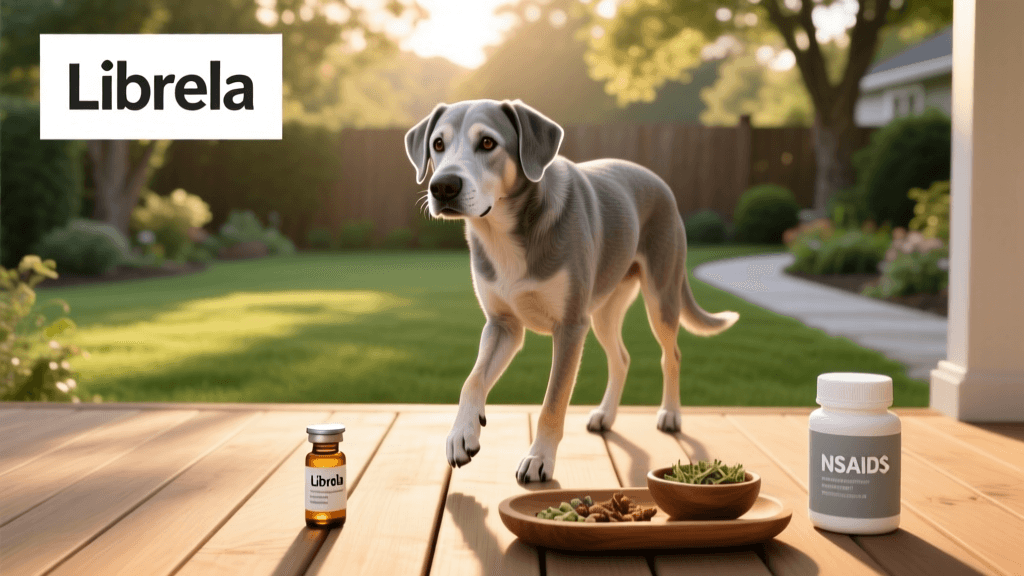
Librela has become a cornerstone of canine OA management in 2026. Administered as a subcutaneous injection once a month by your veterinarian, Librela specifically targets canine NGF. Because it is a species-specific monoclonal antibody, it is metabolized like natural proteins, meaning it bypasses the liver and kidneys entirely. This makes Librela an exceptionally safe option for senior dogs who already suffer from chronic kidney disease (CKD) or liver dysfunction, conditions that typically preclude the use of NSAIDs.
2026 Cost and Availability: The average cost for a monthly Librela injection ranges from $90 to $160, depending on your dog's weight and your geographic location. While this is an ongoing expense, many pet owners find the convenience of a monthly clinic visit far superior to the daily struggle of pilling a resistant dog.
Traditional NSAIDs and the Piprant Class
Despite the rise of biologic therapies, NSAIDs remain a vital tool in the veterinary pain management arsenal. They work by inhibiting cyclooxygenase (COX) enzymes, which produce prostaglandins that cause inflammation and pain. However, because prostaglandins also protect the stomach lining and maintain blood flow to the kidneys, traditional NSAIDs carry inherent risks.
Carprofen and Meloxicam
Medications like Carprofen (Rimadyl) and Meloxicam (Metacam) are highly effective at reducing acute inflammation. They are often prescribed for post-operative pain or acute flare-ups of OA. However, long-term use requires strict adherence to bi-annual bloodwork (CBC and comprehensive chemistry panels) to monitor liver enzymes and kidney values. If your dog experiences vomiting, diarrhea, or a loss of appetite while on an NSAID, you must discontinue the medication immediately and contact your veterinarian.
Galliprant (Grapiprant)
Galliprant represents a newer class of NSAID known as a piprant. Instead of blocking COX enzymes, Galliprant specifically targets the EP4 receptor, which is the primary mediator of OA pain and inflammation. This targeted approach significantly reduces the risk of gastrointestinal and renal side effects compared to traditional NSAIDs. The American Animal Hospital Association (AAHA) frequently highlights targeted therapies like Galliprant as excellent daily options for dogs that can tolerate oral medications but are sensitive to traditional COX-inhibiting NSAIDs.
2026 Osteoarthritis Medication Comparison Chart
To help you discuss the best options with your veterinarian, we have compiled a comparison of the most common OA medications prescribed in 2026.
| Medication | Drug Class | Dosing Schedule | 2026 Avg. Monthly Cost | Organ Monitoring Required? |
|---|---|---|---|---|
| Librela | Anti-NGF Antibody | Monthly Subcutaneous Injection | $90 - $160 | No |
| Galliprant | Piprant (Targeted NSAID) | Daily Oral Tablet | $90 - $140 | Yes (Bi-annual) |
| Carprofen | Traditional NSAID | Daily Oral Chew/Tablet | $30 - $70 | Yes (Bi-annual) |
| Meloxicam | Traditional NSAID | Daily Oral Liquid/Tablet | $25 - $60 | Yes (Bi-annual) |
The Necessity of Multimodal Pain Management
The WSAVA Global Pain Council emphasizes that no single medication provides 100% pain relief for canine osteoarthritis. The gold standard in 2026 is a multimodal approach, combining pharmaceuticals with physical therapies, nutritional supplements, and environmental modifications.
Weight Management: The Most Critical Intervention
If your dog is overweight, no medication will fully resolve their joint pain. Excess weight places exponential mechanical stress on compromised joints. Your dog's Body Condition Score (BCS) should ideally be a 4 out of 9, where the ribs are easily palpable without excess fat covering, and an abdominal tuck is visible. Transitioning to a prescription joint diet, such as Hill's Prescription Diet j/d or Royal Canin Mobility Support, provides clinically proven levels of omega-3 fatty acids and antioxidants while controlling caloric intake.
Joint Supplements and Omega-3 Fatty Acids
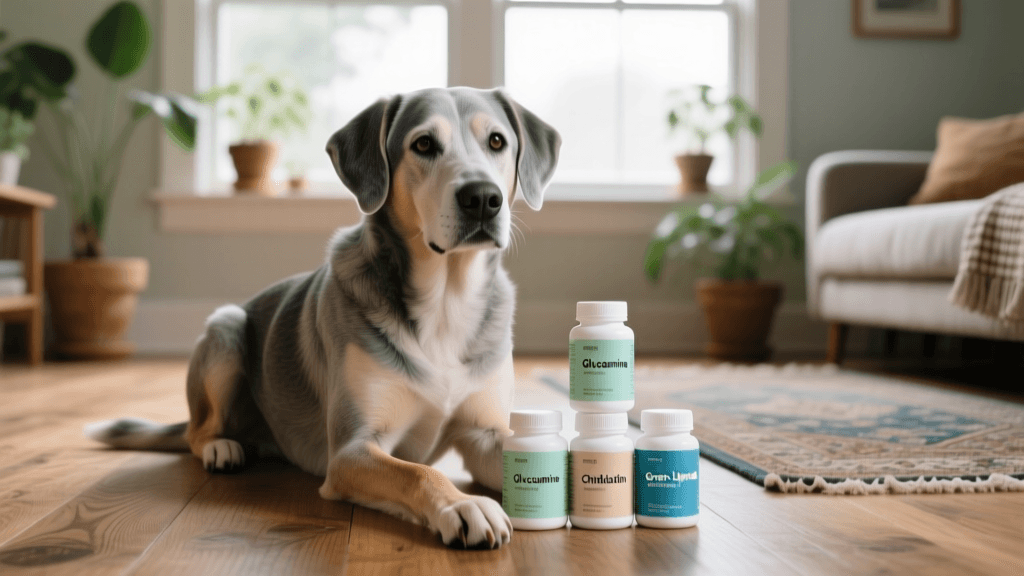
Over-the-counter joint supplements remain highly popular, but quality varies wildly. In 2026, veterinary nutritionists recommend looking for supplements containing high concentrations of EPA and DHA (omega-3 fatty acids), undenatured type II collagen (UC-II), and green-lipped mussel extract. The therapeutic dose for EPA/DHA in arthritic dogs is generally between 75 to 100 mg per kilogram of body weight. Always consult your vet before adding supplements, as excessive fish oil can lead to gastrointestinal upset or altered blood clotting.
Physical Rehabilitation and Laser Therapy
Canine physical rehabilitation has become highly accessible. Underwater treadmills and hydrotherapy allow dogs to build muscle mass supporting their joints without the concussive impact of walking on hard surfaces. Additionally, Class IV therapeutic laser therapy is widely used in veterinary clinics to stimulate cellular repair, increase local blood circulation, and reduce localized joint inflammation.
Optimizing Your Home Environment
Managing OA extends far beyond the veterinary clinic. Making strategic modifications to your home can drastically reduce your dog's daily pain and prevent catastrophic injuries like torn cruciate ligaments.
- Orthopedic Bedding: Invest in a high-density memory foam bed that is at least 4 to 6 inches thick. Thin beds allow the dog's heavy joints (hips and elbows) to bottom out against the hard floor.
- Traction Modifications: Slippery hardwood and tile floors are disastrous for arthritic dogs. Use interlocking foam mats, non-slip area rugs, or apply paw-grip traction pads to your dog's nails to prevent splaying and falls.
- Ramps and Stairs: Never force an arthritic dog to jump into an SUV or climb steep stairs. Use a ramp with a gentle incline (ideally an 18-to-20-degree angle) and a high-traction surface for vehicle loading.
- Raised Food and Water Bowls: Elevating bowls to your dog's chest height reduces the strain on their cervical spine and shoulder joints during meal times.
Conclusion
The year 2026 offers unprecedented hope and options for dogs suffering from osteoarthritis. The introduction and normalization of anti-NGF therapies like Librela have provided a safe, highly effective alternative for dogs that cannot tolerate traditional NSAIDs. However, medication is only one piece of the puzzle. By combining targeted pharmaceuticals with strict weight management, high-quality omega-3 supplementation, and a joint-friendly home environment, you can ensure your senior dog remains active, comfortable, and happy in their golden years. Always partner closely with your veterinarian to tailor a pain management protocol specific to your dog's unique medical history and lifestyle needs.
hannah-wickes
All our authors care for dogs every day — read more of their work on the authors page.