2026 Canine Osteoarthritis Guide: Librela, Ramps, and Home Care
Discover the latest 2026 canine osteoarthritis treatments, including Librela injections, orthopedic home modifications, and daily routines for senior dogs.
Understanding Canine Osteoarthritis in 2026
Watching your once-boundless companion struggle to stand up from their bed or hesitate at the bottom of the stairs is one of the most heartbreaking experiences for any dog owner. Canine osteoarthritis (OA), also known as degenerative joint disease, is a progressive condition that affects the cartilage and surrounding structures of the joints. According to VCA Hospitals, it is estimated that osteoarthritis affects roughly 25% of all dogs at some point in their lives, with the prevalence jumping significantly in senior and large-breed dogs.
As we navigate 2026, the landscape of canine osteoarthritis treatment has evolved dramatically. We are no longer limited to simply masking the pain with daily non-steroidal anti-inflammatory drugs (NSAIDs). Today, a multi-modal approach combining groundbreaking biologics, targeted home modifications, and adjusted daily routines can give your arthritic dog a vibrant, comfortable, and active life. This comprehensive guide will walk you through the most effective, up-to-date strategies for managing your dog's joint health this year.
The 2026 Gold Standard: Anti-NGF Therapies
The most significant shift in veterinary pain management over the last few years has been the widespread adoption and refinement of anti-Nerve Growth Factor (anti-NGF) monoclonal antibodies. In 2026, Librela (bedinvetmab) remains the premier monthly injection for canine osteoarthritis. Unlike traditional NSAIDs that reduce inflammation systemically and can sometimes tax the liver or kidneys over long-term use, Librela specifically targets and neutralizes NGF, a protein that plays a central role in transmitting pain signals from the joints to the brain.
Administered as a simple subcutaneous injection by your veterinarian once a month, Librela has revolutionized senior dog care. Many owners report seeing a profound difference in their dog's mobility and enthusiasm within the first two to three weeks of starting the treatment. Because it is a protein-based therapy rather than a chemical drug, it is metabolized naturally by the body, making it an exceptionally safe option for dogs with pre-existing renal or hepatic concerns.
For dogs that cannot tolerate Librela or require a different mechanism of action, veterinarians in 2026 are also utilizing advanced NSAIDs like Galliprant (grapiprant), which specifically targets the EP4 receptor associated with joint pain and inflammation, sparing the gastrointestinal and renal systems more effectively than older-generation NSAIDs.
Essential Home Modifications for Joint Support
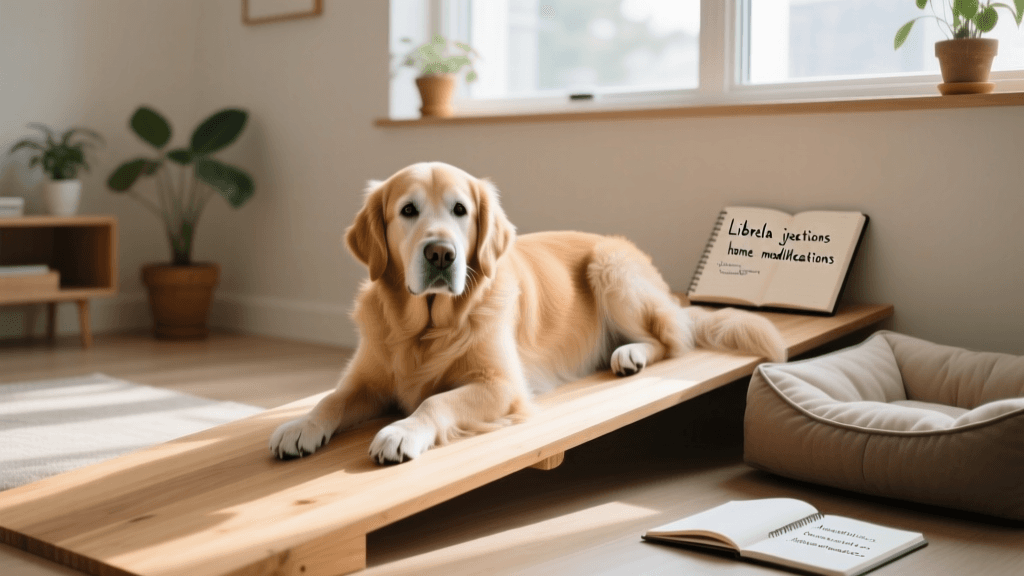
Medical treatment is only half the battle; the environment your dog lives in plays a massive role in their daily comfort. Making your home 'arthritis-friendly' prevents micro-injuries and reduces the cumulative strain on degraded joints.
1. Orthopedic Bedding
Standard plush dog beds do not provide the structural support an arthritic dog needs. In 2026, the gold standard for orthopedic bedding remains human-grade, medical-quality foam. Brands like Big Barker offer 7-inch therapeutic foam beds that are specifically calibrated to support heavy joints and prevent the dog from 'bottoming out' against the hard floor. Look for beds with a bolstered edge, which provides a physical barrier that helps dogs feel secure and gives them something to lean against when shifting their weight to stand up.
2. Ramps and Stairs
Jumping on and off furniture or in and out of vehicles accelerates joint degradation. Invest in high-traction ramps for your SUV or truck. The Gen7Pets Natural Step Ramp is a favorite among owners because its poly-grass surface provides excellent grip without the harsh abrasiveness of sandpaper-like materials. For indoor furniture, opt for high-density foam pet stairs with a gradual incline rather than steep, rigid wooden steps.
3. Traction and Flooring
Slippery hardwood, tile, or laminate floors are a nightmare for dogs with OA. When a dog's paws slip, their muscles and joints undergo sudden, violent spasms to catch their balance, which can cause severe pain or acute ligament tears. Cover high-traffic areas and your dog's primary pathways with rubber-backed, non-slip area rugs. Alternatively, interlocking EVA foam floor tiles or specialized dog-grip floor waxes can provide the necessary traction without completely covering your home's aesthetic.
Adjusting Your Daily Routine and Exercise
A common misconception is that an arthritic dog should stop exercising entirely. In reality, controlled, low-impact movement is vital to maintain muscle mass, which in turn supports and stabilizes the compromised joints. The key in 2026 is shifting from high-intensity exercise to consistent, low-impact mobility work.
- The 'Little and Often' Rule: Replace one long 45-minute walk with three 15-minute walks spread throughout the day. This prevents the joint from becoming stiff while avoiding the fatigue and subsequent inflammation that follows prolonged exertion.
- Surface Matters: Walk your dog on soft, forgiving surfaces like grass, dirt trails, or sand. Avoid concrete and asphalt, which offer zero shock absorption and send impact forces directly up the dog's legs into their hips and shoulders.
- Mental Enrichment: Because physical exercise must be limited, you must increase mental stimulation to prevent boredom and depression. Utilize snuffle mats, frozen lick mats, and puzzle feeders. A 20-minute session of scent-work or puzzle-solving can tire a dog out just as effectively as a long run, without putting any stress on their joints.
Physical Therapy and Alternative Care
Canine rehabilitation has become a mainstream pillar of osteoarthritis management. If your budget allows, working with a Certified Canine Rehabilitation Practitioner (CCRP) can drastically improve your dog's quality of life.
Hydrotherapy, particularly the underwater treadmill, is phenomenal for arthritic dogs. The buoyancy of the water unloads the weight from the joints, while the resistance of the water builds muscle and promotes cardiovascular health. Cold laser therapy (photobiomodulation) is another non-invasive clinic treatment that uses specific wavelengths of light to reduce cellular inflammation and stimulate tissue healing. Many owners in 2026 also invest in at-home pulsed electromagnetic field (PEMF) therapy beds, which offer a gentle, drug-free way to manage daily flare-ups.
Diet, Weight Management, and Supplements
According to the American Kennel Club, keeping your dog at a lean, healthy weight is the single most effective non-medical intervention for osteoarthritis. Every extra pound of body weight places roughly four pounds of additional pressure on the joints. If your dog is overweight, a veterinary-guided weight loss plan is non-negotiable.
Alongside weight management, targeted joint supplements can provide the building blocks for cartilage repair and joint lubrication. In 2026, look for supplements that contain a synergistic blend of ingredients rather than just basic glucosamine. Top-tier options include:
- Dasuquin Advanced: Contains ASU (Avocado/Soybean Unsaponifiables), which helps prevent cartilage breakdown.
- VetriScience GlycoFlex Plus: Utilizes green-lipped mussel, a potent natural source of glycosaminoglycans and omega-3 fatty acids.
- High-EPA/DHA Fish Oils: Prescription-strength or high-quality veterinary fish oils (like Nordic Naturals Omega-3 Pet) provide massive doses of EPA and DHA, which naturally down-regulate inflammatory pathways in the body.
Comparing 2026 Osteoarthritis Treatments
To help you and your veterinarian build the best multi-modal pain management plan, here is a comparison of the primary treatment categories available this year.
| Treatment Category | Examples | Primary Benefit | 2026 Estimated Cost |
|---|---|---|---|
| Anti-NGF Biologics | Librela (Monthly Injection) | Targets pain signals directly; highly safe for organs | $80 - $160 / month |
| Targeted NSAIDs | Galliprant, Carprofen | Reduces systemic inflammation and acute pain | $40 - $90 / month |
| Joint Supplements | Dasuquin Advanced, Green-Lipped Mussel | Supports cartilage health and joint lubrication | $30 - $60 / month |
| Home Modifications | Orthopedic beds, traction rugs, ramps | Prevents micro-injuries and reduces daily joint strain | $150 - $400 (One-time) |
| Rehabilitation | Hydrotherapy, Cold Laser, PEMF | Builds supporting muscle mass without joint impact | $75 - $120 / session |
When to Consult Your Veterinarian
Osteoarthritis is a progressive disease, meaning your dog's needs will change over time. A treatment plan that works perfectly in January might need adjustment by August. Watch for subtle signs of pain: a reluctance to shake off after a bath, panting when resting, lagging behind on walks, or changes in sleep patterns.
In 2026, veterinary medicine offers more tools than ever to ensure your senior dog's golden years are truly golden. By combining cutting-edge medical therapies like Librela with thoughtful home modifications and a mindful daily routine, you can dramatically slow the progression of canine osteoarthritis and give your best friend the comfortable, joyful life they deserve.
priya-sutaria
All our authors care for dogs every day — read more of their work on the authors page.