Canine Osteoarthritis Treatment 2026: Librela, Beds, and Home Hacks
Discover the best 2026 canine osteoarthritis treatments, including Librela injections, orthopedic beds, and daily home modifications to keep your senior dog comfortable.
The Evolution of Canine Osteoarthritis Care in 2026
Osteoarthritis (OA) is a degenerative joint disease that affects a significant portion of the senior and large-breed dog population. As we navigate 2026, the veterinary consensus on managing canine OA has shifted dramatically. We have moved away from relying solely on daily oral painkillers toward a multimodal approach that combines cutting-edge biologic therapies, targeted home environmental modifications, and smart technology. According to the American College of Veterinary Surgeons (ACVS), a multimodal strategy is the most effective way to slow disease progression and maintain a high quality of life for arthritic dogs.
Living with an arthritic dog requires a proactive daily routine. From the moment they wake up to the time they go to sleep, every aspect of their environment and schedule plays a role in managing their pain and mobility. This comprehensive guide explores the gold-standard medical treatments of 2026, essential home modifications, and daily lifestyle adjustments to keep your furry companion comfortable and active.
The Medical Frontline: Anti-NGF Therapies vs. Traditional NSAIDs
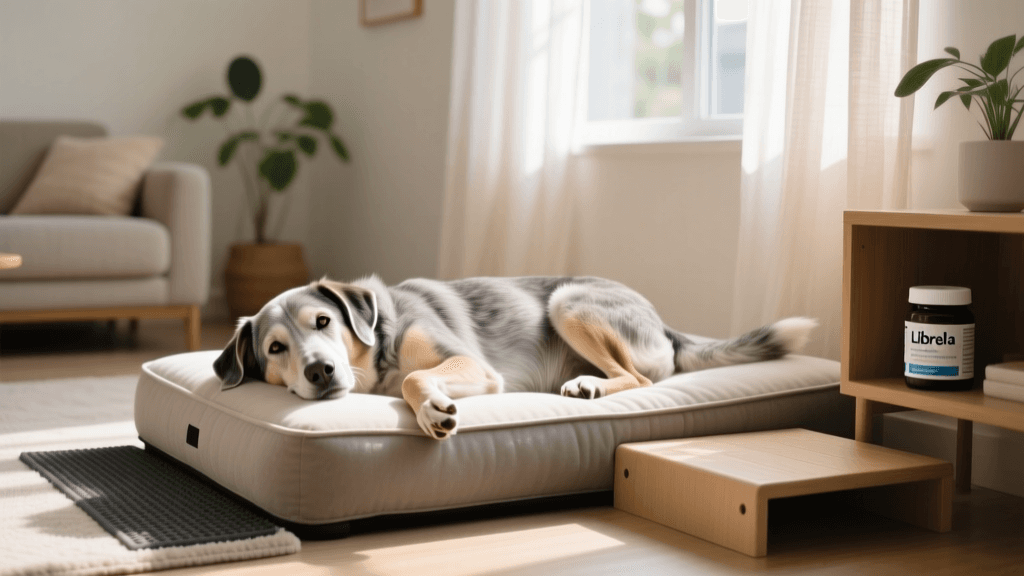
The most significant breakthrough in recent years that has fully matured into the gold standard for 2026 is the use of anti-Nerve Growth Factor (anti-NGF) monoclonal antibodies, most notably bedinvetmab (brand name Librela). Unlike traditional Non-Steroidal Anti-Inflammatory Drugs (NSAIDs) like carprofen or meloxicam, which must be metabolized by the liver and kidneys, Librela is a protein-based therapy that specifically targets and neutralizes NGF, a key driver of OA pain.
Because it is not processed through the hepatic or renal pathways, Librela is exceptionally safe for senior dogs who may already have compromised kidney or liver function—a common hurdle in 2026 geriatric care. Administered as a simple subcutaneous injection by your veterinarian once a month, it provides continuous, round-the-clock pain relief. Many pet owners report a 'puppy-like' resurgence in their senior dogs within the first two weeks of the initial loading dose.
While NSAIDs are still utilized for acute flare-ups or as adjunctive therapies, the veterinary community now heavily favors anti-NGF therapies for long-term, chronic OA management. Always consult your veterinarian to establish the right pharmacological protocol, as noted by VCA Animal Hospitals, which emphasizes that medical management should always be tailored to the individual dog's metabolic health and pain levels.
Essential Home Modifications for Arthritic Dogs
Medical treatment is only half the battle. Your home environment can either be a sanctuary or an obstacle course for a dog with compromised joints. Implementing the following modifications will drastically reduce daily micro-traumas to your dog's hips, knees, and spine.
1. Flooring and Traction Solutions
Slippery surfaces like hardwood, laminate, and tile are the enemies of arthritic joints. When a dog slips, the sudden splay of their legs puts immense, unnatural torque on their hip and shoulder joints. In 2026, the best solution is to create designated 'traction pathways' throughout your home.
- Interlocking Foam Mats: High-density EVA foam tiles (often used in home gyms) provide excellent grip and slight cushioning. They are easy to clean and can be arranged to cover high-traffic corridors.
- Non-Slip Rug Pads: If you prefer the look of area rugs, ensure they are anchored with heavy-duty, rubberized non-slip pads. Avoid thin, cheap rugs that can bunch up and cause tripping hazards.
- Paw Grip Enhancements: For dogs that struggle even on carpet, applying veterinary-grade traction pads (like Pawz) or using nail grips (like Dr. Buzon's) can provide immediate stability without the need for bulky dog booties.
2. Ramps and Accessibility
Jumping onto a bed or into an SUV requires a burst of explosive power that arthritic joints simply cannot handle. You must eliminate all vertical jumping from your dog's routine.
- Indoor Pet Stairs: For couches and beds, use high-density foam pet stairs. Ensure the steps are deep enough (at least 10 inches) so your dog doesn't feel like they are tip-toeing. The American Kennel Club (AKC) recommends training your dog to use ramps and stairs with high-value treats before their mobility severely declines.
- Vehicle Ramps: When loading your dog into an SUV or truck, use a folding aluminum or heavy-duty plastic ramp. The ideal incline ratio is 1:3 (for every 3 inches of length, the ramp rises 1 inch). A steeper incline will cause hesitation and put excessive strain on the hindquarters.
3. Orthopedic Sleep Solutions
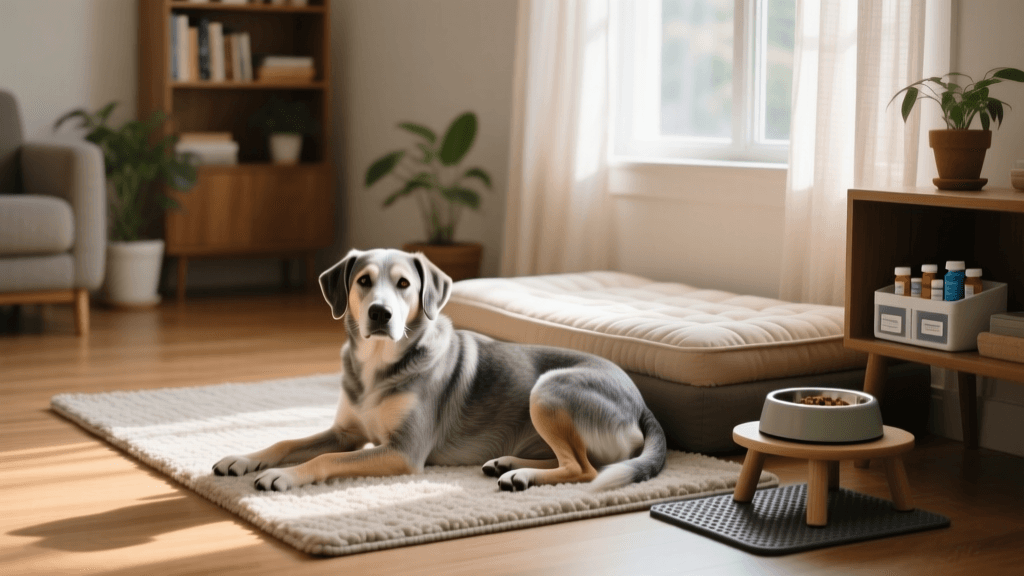
Dogs with OA sleep up to 18 hours a day, making their bed the most critical piece of furniture they own. Standard polyester-filled beds flatten out within weeks, offering zero joint support.
- High-Density Memory Foam: Invest in a bed with a minimum of 4 to 6 inches of high-density polyurethane or orthopedic memory foam. Brands like Big Barker specialize in therapeutic beds that do not flatten over time, providing crucial pressure-point relief for hips and elbows.
- Therapeutic Heating: Cold weather exacerbates joint stiffness. Consider a bed with a built-in, low-voltage heating element, or place a veterinary-approved heating pad (set to low) under their blanket during winter months to promote blood flow and soothe aching joints overnight.
- Bolster Support: Beds with raised edges allow dogs to rest their heads and necks, taking the strain off their cervical spine and promoting deeper, more restorative sleep.
Daily Routine: Diet, Smart Tech, and Physical Therapy
A structured daily routine is vital for managing inflammation and maintaining muscle mass, which acts as the primary shock absorber for your dog's joints.
Precision Weight Management
Excess weight is the single most modifiable factor in canine OA. Every extra pound puts exponentially more force on the joints. Your dog should maintain a Body Condition Score (BCS) of 4 out of 9, where the ribs are easily palpable but not visible. In 2026, smart microchip feeders (such as the SureFeed Microchip Pet Feeder Connect) are invaluable for multi-pet households, ensuring your arthritic dog receives their exact, vet-prescribed caloric allocation without being bullied away from their bowl or stealing food from a housemate.
Low-Impact Exercise and 'Sniffaris'
Complete rest leads to muscle atrophy, which worsens OA. The goal is consistent, low-impact movement. Replace long, high-impact hikes with two or three 15-minute leash walks on flat, even surfaces. Incorporate 'sniffaris'—slow, mentally stimulating walks where the dog is allowed to stop and sniff as much as they like. Mental enrichment tires a dog out just as effectively as physical exertion, without the joint wear-and-tear. If accessible, weekly canine hydrotherapy (underwater treadmill or warm-water swimming) remains the premier physical therapy for building hind-end muscle mass without bearing weight.
Nutraceuticals and Supplements
While not a replacement for veterinary medication, high-quality supplements support joint cartilage and reduce systemic inflammation. Look for products containing:
- Omega-3 Fatty Acids (EPA/DHA): Derived from wild-caught fish oil or microalgae. The therapeutic dose for OA is typically around 300mg of combined EPA/DHA per 10 pounds of body weight.
- Green-Lipped Mussel (GLM): A natural source of glycosaminoglycans (GAGs) and unique anti-inflammatory compounds.
- UC-II (Undenatured Type II Collagen): Works via oral tolerance to modulate the immune system's attack on joint cartilage.
2026 Canine Osteoarthritis Treatment Comparison
To help you budget and plan your dog's care, here is a comparison of the most common OA management strategies utilized in 2026.
| Treatment / Modality | 2026 Estimated Cost | Frequency | Best Use Case |
|---|---|---|---|
| Anti-NGF Injection (Librela) | $70 - $140 / month | Once monthly (Vet visit) | Gold standard for chronic, moderate-to-severe OA pain; safe for seniors with organ issues. |
| NSAIDs (e.g., Galliprant) | $40 - $90 / month | Daily oral medication | Acute flare-ups or younger dogs with healthy liver/kidney profiles. |
| Therapeutic Orthopedic Bed | $150 - $350 (One-time) | Replace every 3-5 years | All arthritic dogs; essential for pressure relief and sleep quality. |
| Omega-3 Joint Supplement | $25 - $50 / month | Daily with food | Reducing systemic inflammation; supports cartilage health long-term. |
| Canine Hydrotherapy | $60 - $100 / session | 1-2 times per week | Rebuilding hind-end muscle mass post-surgery or in advanced OA cases. |
Conclusion: Embracing a Multimodal Approach
Managing canine osteoarthritis in 2026 is no longer about simply masking pain with daily pills; it is about holistically redesigning your dog's life to accommodate their changing physical needs. By combining the targeted, long-lasting relief of anti-NGF therapies like Librela with strategic home modifications—such as traction pathways, therapeutic bedding, and proper incline ramps—you can dramatically improve your dog's daily comfort. Pair these environmental changes with strict weight management and low-impact mental enrichment, and you will ensure that your senior dog's golden years are truly golden, filled with comfort, dignity, and joy.
tom-renshaw
All our authors care for dogs every day — read more of their work on the authors page.