2026 Canine Osteoarthritis Treatment: Daily Care & Home Setup
Discover 2026 canine osteoarthritis treatments, including Librela, joint supplements, and home modifications to keep your senior dog mobile and pain-free.
Watching your once-agile companion struggle to jump onto the couch or rise from their bed is one of the most heartbreaking experiences for any dog owner. Canine osteoarthritis (OA) is a progressive, degenerative joint disease that affects a significant portion of the senior dog population. However, the landscape of veterinary pain management has evolved dramatically. As we navigate 2026, treating canine osteoarthritis is no longer just about masking pain with daily pills; it is about a comprehensive, multimodal approach that combines cutting-edge biologic therapies, targeted home modifications, and structured daily routines. In this guide, we will explore the most effective, up-to-date strategies to maximize your dog's mobility, comfort, and overall quality of life.
The 2026 Veterinary Consensus on Osteoarthritis
The veterinary consensus in 2026 emphasizes that osteoarthritis is a complex, whole-body disease rather than just localized joint wear and tear. According to the Merck Veterinary Manual, modern OA management requires addressing inflammation, pain signaling, weight distribution, and muscle atrophy simultaneously. Relying solely on traditional Non-Steroidal Anti-Inflammatory Drugs (NSAIDs) is no longer considered the optimal first-line defense for long-term management, especially for senior dogs with compromised liver or kidney function. Instead, veterinarians now champion a multimodal strategy that integrates monoclonal antibody therapies, physical rehabilitation, environmental adaptations, and specialized nutrition to keep dogs active and comfortable well into their golden years.
Medical Interventions: Librela and Beyond
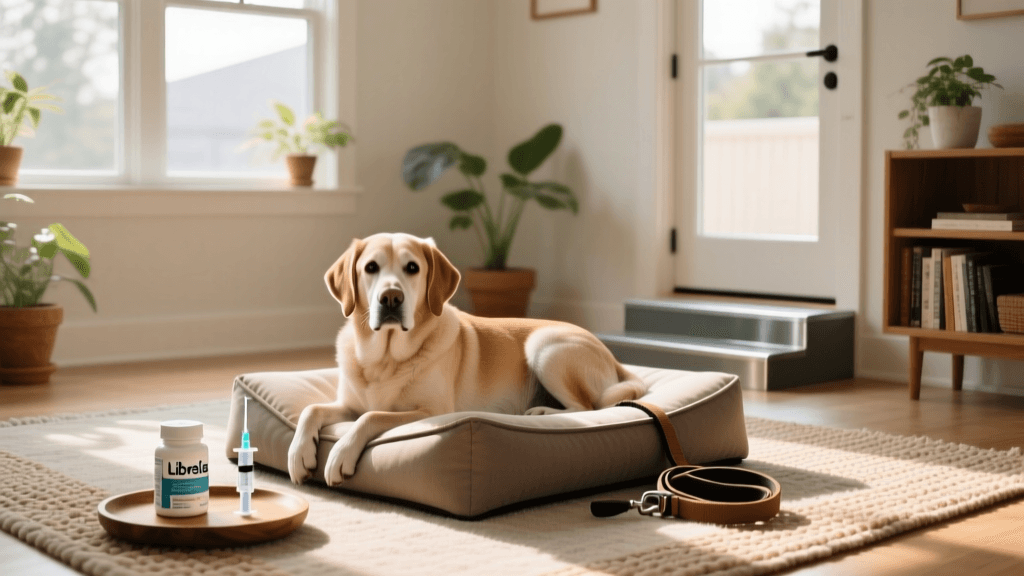
The most significant paradigm shift in recent years, which has fully matured into standard practice by 2026, is the widespread use of anti-Nerve Growth Factor (anti-NGF) monoclonal antibodies. Librela (bedinvetmab) has become a cornerstone of canine OA treatment. Unlike NSAIDs that circulate systemically and require daily oral administration, Librela is a targeted biologic injection administered by your veterinarian once a month. It specifically neutralizes NGF, a key protein involved in pain signaling, without affecting the gastrointestinal, renal, or hepatic systems. This makes it an incredibly safe option for older dogs or those with pre-existing organ concerns.
While Librela is highly effective for many, every dog is unique. Your veterinarian may recommend a combination of therapies based on your dog's specific bloodwork, age, and pain levels. Below is a comparison of the primary medical interventions utilized in 2026 for canine osteoarthritis.
| Treatment | Type | Administration | 2026 Average Cost | Best For |
|---|---|---|---|---|
| Librela (bedinvetmab) | Anti-NGF Monoclonal Antibody | Monthly Vet Injection | $75 - $130 / month | Senior dogs, dogs with kidney/liver issues, long-term pain |
| Carprofen / Meloxicam | NSAID | Daily Oral Chew/Liquid | $30 - $60 / month | Acute flare-ups, dogs needing rapid inflammation reduction |
| Adequan Canine | Polysulfated Glycosaminoglycan | Series of IM Injections | $45 - $70 / dose | Slowing cartilage degradation, early-stage OA |
| Gabapentin | Neuromodulator | Oral Capsule (2-3x daily) | $20 - $40 / month | Nerve-related pain, adjunct to Librela or NSAIDs |
Designing an Arthritis-Friendly Daily Routine
Medical management is only half the battle. How you structure your dog's day plays a massive role in managing their stiffness and pain. Dogs with OA thrive on predictable, low-impact routines that keep their joints lubricated without causing micro-traumas from overexertion. The American Kennel Club (AKC) strongly advocates for consistent, gentle movement over sporadic, high-intensity exercise.
Morning Mobility and Medication
Mornings are typically when arthritic dogs experience the most severe stiffness. Do not rush your dog out of bed. Allow them 10 to 15 minutes to stretch and wake up their muscles. If your vet has prescribed a morning NSAID or supplement, administer it with a small portion of their breakfast immediately upon waking. Follow this with a short, 10-minute leash walk on a flat, even surface. This gentle movement stimulates synovial fluid production, which naturally lubricates the joints for the rest of the day.
Afternoon Enrichment and Low-Impact Activity
Instead of long afternoon hikes or intense games of fetch—which can cause delayed onset muscle soreness and joint swelling—opt for mental enrichment and low-impact physical activity. Sniffaris (walks where the dog dictates the pace and spends most of the time sniffing) are excellent for mental stimulation without the physical toll. If you have access to a canine hydrotherapy center, swimming or using an underwater treadmill twice a week is the gold standard for building muscle mass without placing concussive force on deteriorating joints.
Evening Wind-Down and Pain Assessment
As the day ends, your dog's pain threshold may lower. Provide a gentle, 5-minute massage focusing on the large muscle groups surrounding the hips and shoulders, avoiding direct pressure on the bony prominences or the spine. This is also the time to observe your dog's behavior. Are they panting excessively? Are they reluctant to eat from their bowl? Are they pacing instead of settling? These subtle signs indicate that your current pain management protocol may need an adjustment.
Essential Home Modifications for Joint Health
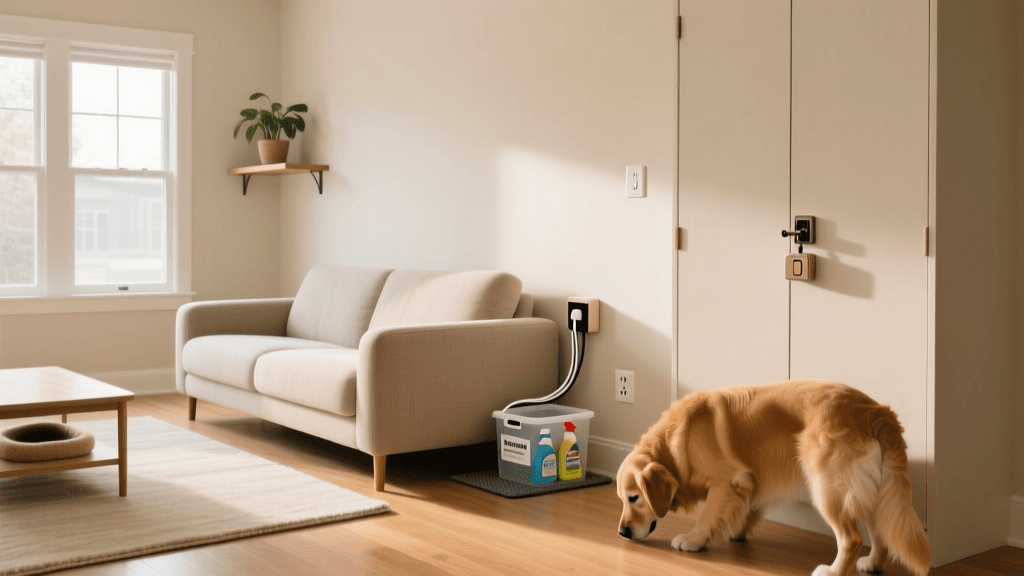
Your home environment can either be an obstacle course or a therapeutic sanctuary for an arthritic dog. Making strategic modifications in 2026 is easier and more affordable than ever, and it drastically reduces the daily wear and tear on your dog's joints.
Orthopedic Sleeping Solutions
Standard dog beds flatten out quickly, leaving your dog's heavy joints resting directly on the hard floor. Invest in a high-quality orthopedic bed featuring human-grade, high-density foam. The Big Barker Orthopedic Dog Bed remains a top recommendation in 2026 due to its 7-inch foam construction that is clinically proven to prevent bottoming out. Ensure the bed is placed in a draft-free area with easy access to water and potty doors, so your dog does not have to navigate stairs or slippery hallways in the middle of the night.
Ramps, Stairs, and Traction
Jumping on and off furniture or into vehicles causes massive concussive forces on the carpal, elbow, and hip joints. Eliminate jumping entirely. Use a high-traction ramp, such as the PetSafe UltraLite Bi-Fold Ramp, for vehicle entry. For couches and beds, use foam pet stairs with a gentle incline rather than steep steps. Furthermore, hardwood, tile, and laminate floors are the enemy of arthritic dogs. The constant micro-slipping forces stabilizer muscles to work overtime, leading to rapid fatigue and pain. Cover high-traffic pathways and play areas with non-slip, low-pile area rugs or interlocking foam puzzle mats to provide secure footing.
Nutritional Support and Weight Management
According to specialists at the Cornell University College of Veterinary Medicine, maintaining a lean body condition is arguably the most impactful non-medical intervention for canine OA. Every extra pound of body weight places up to four pounds of additional stress on the joints. Your dog should have a visible waist tuck and easily palpable ribs. If your dog is overweight, work with your vet to implement a strict caloric deficit plan.
Supplementation is the second pillar of nutritional support. In 2026, the most highly regarded joint supplements contain a synergistic blend of ingredients rather than just basic glucosamine. Nutramax Dasuquin Advanced with EPI is a premier choice, featuring ASU (avocado/soybean unsaponifiables), undenatured type II collagen, and EPA/DHA omega-3 fatty acids to actively inhibit cartilage breakdown and reduce systemic inflammation. Always consult your veterinarian before adding supplements, especially if your dog is already on prescription joint diets or NSAIDs.
Monitoring and Adjusting Your Dog's Care Plan
Osteoarthritis is not a static disease; it will progress, and your dog's needs will change. Keep a digital or physical pain journal to track your dog's good and bad days, noting changes in weather, activity levels, and medication timing. Share this data with your veterinarian during your bi-annual senior wellness exams. By combining the latest 2026 biologic treatments like Librela with a deeply intentional daily routine and a supportive home environment, you can ensure your loyal companion enjoys a vibrant, comfortable, and pain-managed life by your side.
anouk-beaumont
All our authors care for dogs every day — read more of their work on the authors page.