Canine OA Treatment 2026: Librela Therapy & Home Mobility
Discover how to manage canine osteoarthritis in 2026 with Librela monthly injections, orthopedic home modifications, and daily mobility routines.
Understanding the 2026 Landscape of Canine Osteoarthritis
Osteoarthritis (OA) is a degenerative joint disease that affects a significant portion of the aging dog population. As our canine companions live longer, healthier lives, managing chronic pain and preserving mobility has become a central focus of modern veterinary medicine and daily pet care. In 2026, the approach to canine OA treatment has shifted from merely masking pain with traditional pharmaceuticals to targeting the underlying pain pathways while simultaneously optimizing the home environment. For dog owners, this means integrating advanced veterinary therapies with practical, everyday home modifications to ensure a high quality of life.
Living with a dog suffering from OA requires a proactive daily routine. It is no longer enough to simply administer a pill and hope for the best. Today's comprehensive management plans combine targeted biologic therapies, environmental adjustments, and tailored physical conditioning. According to the Washington State University College of Veterinary Medicine, early intervention and multimodal management are the most effective ways to slow disease progression and maintain a dog's comfort.
The Breakthrough: Anti-NGF Monoclonal Antibodies
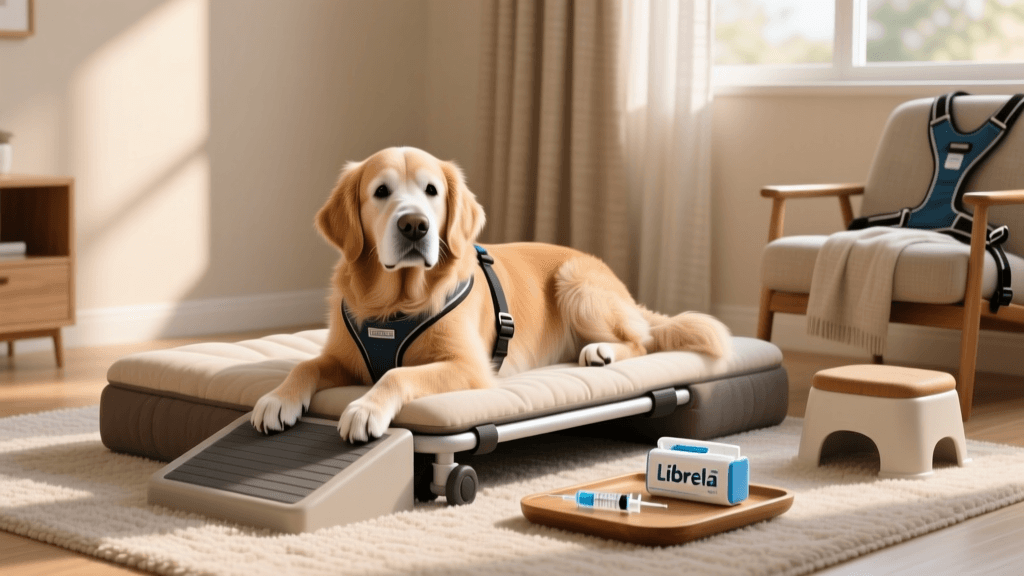
The most significant advancement in recent years, which remains the gold standard in 2026, is the use of anti-Nerve Growth Factor (NGF) monoclonal antibodies. Bedinvetmab, widely known by the brand name Librela, has revolutionized how we treat canine OA. Unlike traditional Non-Steroidal Anti-Inflammatory Drugs (NSAIDs) that process through the liver and kidneys, Librela works by specifically binding to NGF, a key protein involved in the transmission of pain signals in the nervous system.
Administered as a once-monthly subcutaneous injection by your veterinarian, Librela provides consistent, round-the-clock pain relief without the gastrointestinal or renal side effects commonly associated with daily NSAID use. As of 2026, the cost for a monthly Librela injection typically ranges from $130 to $190, depending on your dog's weight and your geographic location. Many pet insurance providers now cover this biologic therapy under their chronic illness or wellness add-ons, making it more accessible than ever.
By targeting the pain pathway directly at the nerve level, monoclonal antibodies have allowed thousands of senior dogs to regain their mobility and enthusiasm for life without compromising their organ health.
Modifying Your Home for Maximum Mobility
While veterinary interventions like Librela address the biological aspect of pain, your home environment must address the physical challenges of OA. Dogs with joint degradation struggle with traction, elevation changes, and hard surfaces. Creating an OA-friendly home in 2026 involves strategic investments in specialized pet gear and minor household adjustments.
Top Home Modifications for Senior Dogs
- Orthopedic Support Beds: Standard dog beds compress over time, offering little joint support. Invest in a high-density, therapeutic foam bed like the 2026 Big Barker Orthopedic Dog Bed. Its 7-inch triple-layer foam prevents the dog from bottoming out against the hard floor, which is crucial for dogs with hip dysplasia or severe elbow OA.
- Non-Slip Flooring Solutions: Hardwood and tile floors are incredibly slippery for dogs with weakened hindquarters. Instead of covering your entire home in carpet, use interlocking EVA foam floor tiles or heavy-duty, rubber-backed runner rugs in high-traffic areas. This provides immediate traction and prevents catastrophic splaying injuries.
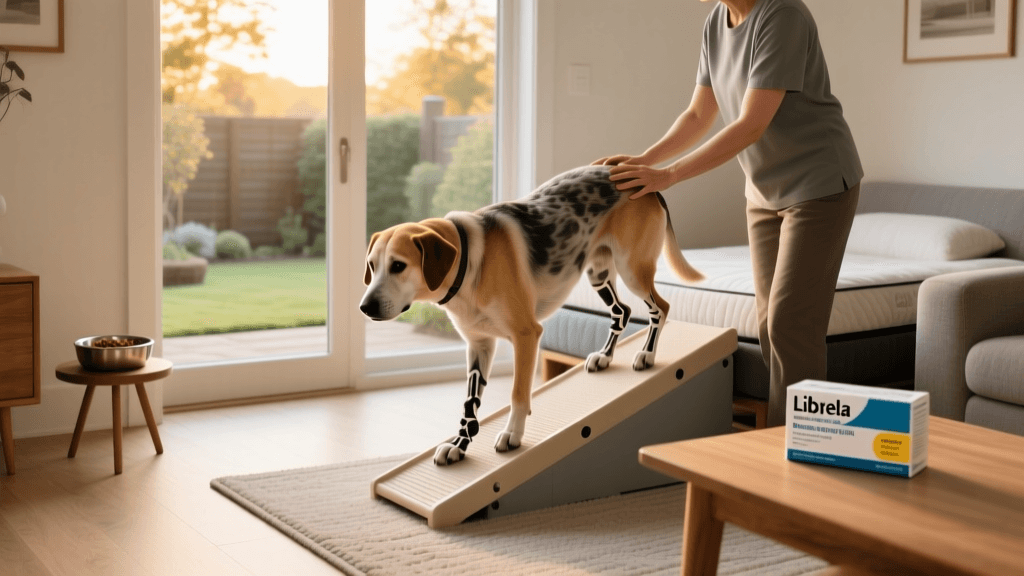
- Bi-Fold and Tri-Fold Ramps: Jumping on and off furniture or into vehicles accelerates joint wear. The PetSafe Happy Ride Extra-Long Folding Ramp is an excellent 2026 choice. Measuring 71 inches long with a 20-inch width, it offers a gentle incline for large breeds to safely enter SUVs or access high beds without straining their carpal or shoulder joints.
- Elevated Feeding Stations: Bending down to floor level places unnecessary stress on the cervical spine and front shoulders. An adjustable elevated feeder that brings the bowls to your dog's chest height can significantly reduce daily mealtime discomfort.
Daily Routine Adjustments and Low-Impact Exercise
A common misconception is that dogs with OA should be strictly rested. In reality, controlled, low-impact exercise is vital to maintain muscle mass, which acts as a secondary support system for deteriorating joints. The FDA's animal health literacy resources emphasize that weight management and appropriate exercise are foundational to any arthritis treatment plan.
Incorporate 'sniffaris' into your daily routine. These are slow, meandering walks where the dog is allowed to stop and sniff at their own pace. Sniffing provides immense mental stimulation and tires the dog out cognitively without requiring the physical exertion of a brisk, mile-long march. Additionally, consider scheduling weekly canine hydrotherapy sessions. The buoyancy of the water supports the dog's weight, allowing them to build muscle and maintain cardiovascular health with zero concussive impact on their joints.
Comparing 2026 Canine OA Treatment Options
Understanding your options helps you have a more informed conversation with your veterinarian. Below is a comparison of the primary medical treatments available in 2026 for managing canine osteoarthritis.
| Treatment Category | Brand Examples | Mechanism of Action | Administration | 2026 Est. Monthly Cost |
|---|---|---|---|---|
| Anti-NGF Monoclonal Antibodies | Librela | Blocks Nerve Growth Factor pain signaling | Veterinary Subcutaneous Injection (Monthly) | $130 - $190 |
| NSAIDs | Carprofen, Meloxicam, Galliprant | Reduces inflammation via COX enzyme inhibition | Daily Oral Chew or Liquid | $45 - $110 |
| Polysulfated Glycosaminoglycan | Adequan Canine | Inhibits cartilage degradation, promotes joint fluid | Intramuscular Injection (Bi-weekly maintenance) | $60 - $120 |
| Joint Supplements | Dasuquin Advanced, YuMOVE | Provides building blocks for cartilage and synovial fluid | Daily Oral Soft Chew | $35 - $75 |
Nutritional Support and Weight Management
No amount of medication or home modification can fully compensate for the mechanical stress caused by excess body weight. Keeping your dog at a lean, optimal body condition score (BCS of 4 or 5 out of 9) is the single most effective lifestyle change you can make. In 2026, veterinary nutritionists highly recommend diets enriched with high levels of EPA (eicosapentaenoic acid), an Omega-3 fatty acid derived from fish oil that has been clinically shown to reduce joint inflammation.
If your dog requires a prescription joint diet, brands like Hill's Prescription Diet j/d or Royal Canin Veterinary Diet Mobility Support offer precisely calibrated nutrient profiles. For dogs on standard diets, adding a high-quality, purified fish oil pump to their daily meals can provide similar anti-inflammatory benefits. Always consult your veterinarian before introducing new supplements, especially if your dog is already taking prescription medications, to ensure there are no contraindications.
By combining cutting-edge 2026 veterinary treatments like Librela with a thoughtfully modified home environment and a strict daily routine, you can dramatically alter the trajectory of your dog's osteoarthritis. The goal is not just to add years to their life, but to ensure those years are filled with comfort, mobility, and joy.
priya-sutaria
All our authors care for dogs every day — read more of their work on the authors page.