Canine Osteoarthritis Care 2026: Librela and Home Mobility
Discover how to manage canine osteoarthritis in 2026. Learn about Librela injections, orthopedic beds, and home mobility setups for your senior dog.
Navigating Canine Osteoarthritis in 2026
Living with a senior dog diagnosed with canine osteoarthritis (OA) requires a delicate balance of medical intervention, environmental management, and daily routine adjustments. As we move through 2026, the landscape of canine pain management has evolved dramatically, offering pet parents more effective and safer ways to maintain their dog's quality of life. Osteoarthritis is a progressive, degenerative joint disease that affects the cartilage, leading to inflammation, pain, and reduced mobility. According to the American Kennel Club (AKC) guide to osteoarthritis, up to 80% of senior dogs may show some radiographic evidence of OA, making it one of the most common chronic conditions we manage in our multi-pet and senior-dog households.
In the past, managing this condition relied heavily on daily oral medications that sometimes carried risks for long-term organ health. Today, the integration of targeted biologic therapies with strategic home modifications has completely transformed the daily life of an arthritic dog. This comprehensive guide will walk you through the 2026 standard of care, focusing on the revolutionary impact of monoclonal antibodies like Librela, alongside actionable, practical home mobility setups to keep your canine companion comfortable and active.
The 2026 Standard of Care: Monoclonal Antibodies
The most significant shift in canine osteoarthritis treatment over the last few years has been the widespread adoption of anti-Nerve Growth Factor (NGF) monoclonal antibodies. In 2026, Librela (bedinvetmab) remains the gold standard for managing chronic OA pain in dogs. Unlike traditional Non-Steroidal Anti-Inflammatory Drugs (NSAIDs) that circulate systemically and are metabolized by the liver or excreted by the kidneys, Librela specifically targets the NGF protein, which is responsible for transmitting pain signals from the joints to the brain.
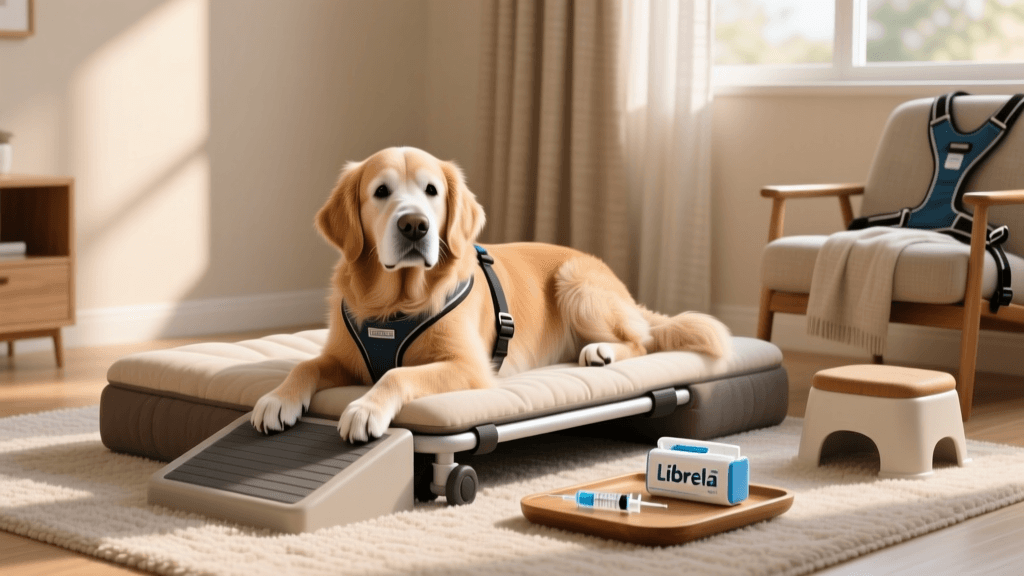
Administered as a once-monthly subcutaneous injection by your veterinarian, Librela has become a cornerstone of senior dog care. Because it is a protein-based therapy, it is broken down by the body's natural cellular recycling processes rather than relying on the hepatic or renal pathways. This makes it an exceptionally safe option for older dogs who may already have early-stage kidney disease or liver compromise. Most pet owners report a noticeable improvement in their dog's willingness to climb stairs, jump into the car, and engage in play within the first 14 to 30 days of starting the monthly injection protocol.
While traditional NSAIDs like carprofen or meloxicam are still utilized for acute flare-ups or breakthrough pain, the daily reliance on them has significantly decreased in 2026. The modern veterinary approach prioritizes the monthly mAb injection for baseline pain control, reserving oral medications for short-term use during periods of increased inflammation or post-exertion soreness. Always consult your primary veterinarian to tailor a pharmacological plan that suits your dog's specific bloodwork and health history.
Designing a Joint-Friendly Home Environment
Medical management is only half the battle; the other half is adapting your living space to accommodate your dog's changing physical capabilities. Slippery floors are the absolute enemy of a dog with osteoarthritis. Hardwood, tile, and laminate floors force dogs to splay their legs to find traction, which places immense torque on the hip and knee joints. In 2026, the most effective solution is the strategic placement of high-traction, low-pile area rugs or interlocking foam puzzle mats in your dog's primary pathways and resting areas. For a more permanent and aesthetically pleasing solution, many pet owners are turning to canine-specific non-slip floor coatings or applying adhesive traction strips to high-traffic wooden stairs.
When it comes to furniture, jumping on and off couches or beds can cause micro-traumas to already compromised joints. Investing in a high-quality, structurally sound pet ramp is non-negotiable. Look for ramps with a gentle incline—ideally an 18-to-20-degree angle—and a surface covered in high-friction felt or artificial turf. The Pet Gear Travel Lite Ramp and the PetSafe CozyUp Folding Ramp remain top choices in 2026 due to their sturdy weight capacities (up to 150-200 lbs) and adjustable height features. Ensure the ramp is wide enough (at least 16 inches) so your dog does not feel claustrophobic or unstable while ascending and descending.
Sleep quality is paramount for tissue repair and pain threshold regulation. A standard stuffed dog bed offers virtually no therapeutic support for an arthritic dog. You must invest in a true orthopedic bed featuring a minimum of 4 to 7 inches of high-density, medical-grade memory foam. The Big Barker 7-inch Orthopedic Dog Bed continues to lead the market in 2026, utilizing a proprietary foam blend that does not flatten out over time, ensuring that heavy joints do not bottom out and press against the hard floor. Place these beds in draft-free areas of the home, and consider adding a self-warming thermal blanket during the colder months, as drops in barometric pressure and temperature can exacerbate joint stiffness.
Daily Routine and Nutritional Adjustments
The 'weekend warrior' concept is highly detrimental to dogs with OA. Long, exhausting hikes followed by two days of rest will only trigger severe inflammatory flare-ups. Instead, 2026 canine rehabilitation specialists recommend consistent, low-impact, daily exercise. Think in terms of 15-to-20-minute 'sniffaris'—slow, mentally stimulating walks where the dog is allowed to sniff and explore at their own pace. Swimming and underwater treadmill therapy are also exceptional modalities, as the buoyancy of the water supports the dog's weight while the resistance builds crucial muscle mass around the affected joints without causing impact trauma.
Diet and weight management represent the single most effective non-pharmaceutical intervention for canine osteoarthritis. Every extra pound of body weight places roughly four pounds of additional stress on a dog's joints. Keeping your dog at a lean body condition score (BCS of 4 out of 9) is critical. In 2026, veterinary prescription diets formulated specifically for joint health, such as Hill's Prescription Diet j/d or Purina Pro Plan Veterinary Joint Care, are heavily fortified with therapeutic levels of Omega-3 fatty acids (specifically EPA and DHA) and glucosamine hydrochloride. These ingredients actively interfere with the enzymatic destruction of cartilage and provide the building blocks for synovial fluid lubrication.
2026 Canine OA Home Mobility Comparison Chart
To help you prioritize your home modifications, here is a structured comparison of the most effective mobility aids recommended by veterinary rehabilitation therapists this year.
| Product Category | Top 2026 Recommendation | Key Therapeutic Feature | Estimated Cost |
|---|---|---|---|
| Orthopedic Bed | Big Barker 7' Orthopedic | High-density foam prevents joint bottoming | $320 - $360 |
| Traction Aid | Dr. Buzby's ToeGrips | Slip-on nail grips for hardwood floor traction | $30 - $40 |
| Furniture Ramp | PetSafe CozyUp Folding | High-friction surface and gentle 18-degree incline | $80 - $110 |
| Lifting Support | Help 'Em Up Lab Harness | Ergonomic handles for hip and shoulder support | $130 - $160 |
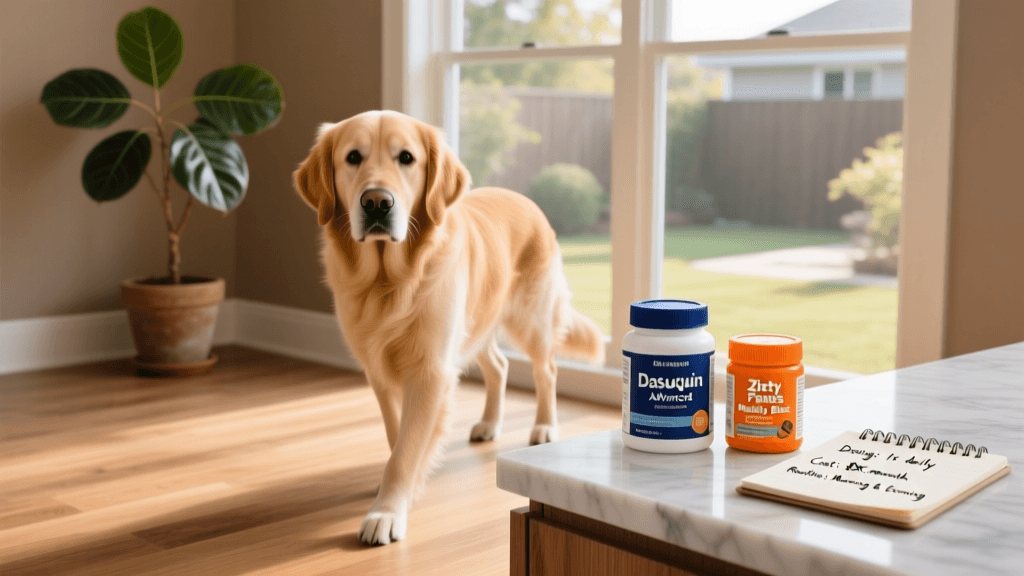
| Joint Supplement | Dasuquin Advanced | ASU and Boswellia serrata for cartilage matrix | $70 - $90 |
Monitoring Pain: The LOAD Questionnaire
How do you know if your dog's pain is truly under control? Dogs are stoic creatures and rarely vocalize chronic pain; instead, they exhibit subtle behavioral changes. They may sleep more, groom less, pant at night, or hesitate before jumping into the car. To objectively track your dog's mobility and pain levels, the veterinary community heavily relies on the Liverpool Osteoarthritis in Dogs (LOAD) questionnaire. This standardized, owner-reported metric asks you to score your dog's mobility during exercise and at rest.
By filling out the LOAD questionnaire monthly, you create a data-driven log that you can share with your veterinarian. This is especially crucial in 2026, as telehealth veterinary follow-ups have become more prevalent. If your dog's LOAD score begins to creep upward, it is an early indicator that their current Librela dosage may need adjunctive support, or that their home environment requires further modification. The WSAVA Global Pain Council emphasizes that proactive, owner-led pain tracking is the most vital component of long-term osteoarthritis management, ensuring that interventions are adjusted before the dog's quality of life significantly declines.
Conclusion
Sharing your life with a senior dog experiencing osteoarthritis is a journey that demands empathy, observation, and proactive management. The 2026 veterinary landscape offers unprecedented hope through targeted biologic therapies like Librela, which safely silence pain signals without compromising organ health. However, medication alone cannot replace the necessity of a thoughtfully designed, joint-friendly home environment. By combining monthly veterinary care with strategic home mobility setups, strict weight management, and consistent low-impact exercise, you can ensure your loyal companion enjoys their golden years with comfort, dignity, and joy.
tom-renshaw
All our authors care for dogs every day — read more of their work on the authors page.