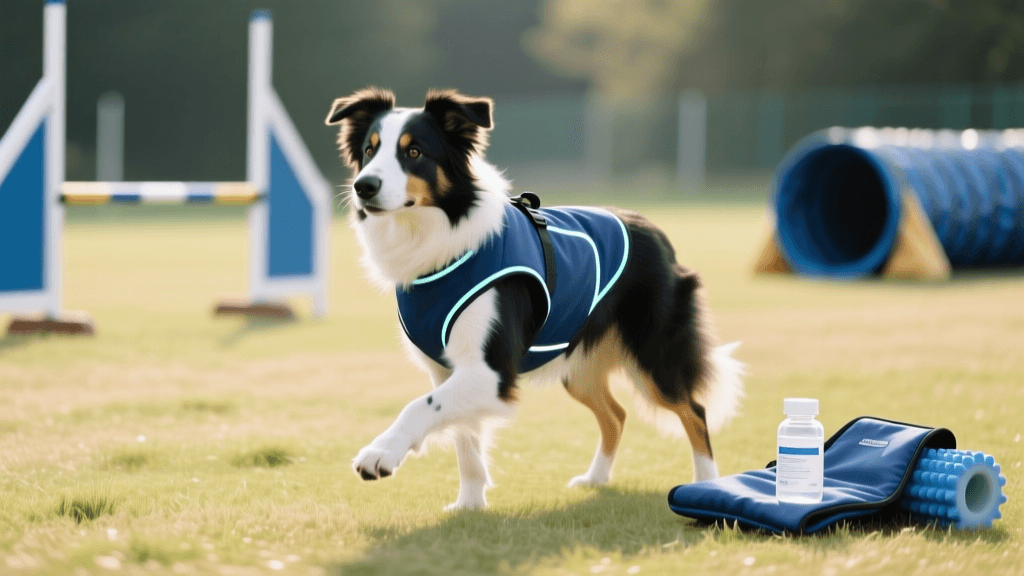
Librela vs NSAIDs for Canine Osteoarthritis: 2026 Vet Guide
Compare Librela and traditional NSAIDs for canine osteoarthritis in 2026. Explore efficacy, side effects, costs, and vet recommendations for joint pain.
The Evolution of Canine Osteoarthritis Treatment in 2026
Canine osteoarthritis (OA) is a progressive, degenerative joint disease that affects an estimated 20% of adult dogs and over 80% of senior dogs. For decades, the cornerstone of veterinary pain management relied heavily on a single class of medications. However, as we navigate veterinary care in 2026, the landscape of canine osteoarthritis treatment has undergone a massive paradigm shift. The introduction and widespread adoption of anti-Nerve Growth Factor (NGF) monoclonal antibodies have fundamentally changed how veterinarians approach chronic joint pain.
For dog owners, this means having to choose between the historical gold standard—Non-Steroidal Anti-Inflammatory Drugs (NSAIDs)—and newer biologic therapies like Librela (bedinvetmab). Understanding the mechanisms, safety profiles, and long-term viability of both options is critical for making an informed decision about your dog's quality of life. According to the American Veterinary Medical Association (AVMA), early and aggressive intervention is key to slowing disease progression and maintaining mobility.
Traditional NSAIDs: The Historical Gold Standard
How NSAIDs Work
Non-Steroidal Anti-Inflammatory Drugs, such as carprofen (Rimadyl), meloxicam (Metacam), and deracoxib (Deramaxx), have been the primary defense against canine OA for over twenty years. NSAIDs work by inhibiting cyclooxygenase (COX) enzymes, specifically COX-1 and COX-2. These enzymes are responsible for the production of prostaglandins, which are lipid compounds that promote inflammation, pain, and fever at the site of joint damage. By blocking these enzymes, NSAIDs effectively reduce the inflammatory response within the affected joint, providing significant pain relief and improved mobility.
The Drawbacks and Systemic Risks
While highly effective at reducing acute inflammation, NSAIDs are not without systemic risks. Because prostaglandins also play a vital role in maintaining the protective mucosal lining of the stomach, regulating blood flow to the kidneys, and supporting platelet function, long-term NSAID use can lead to adverse effects. Common side effects include gastrointestinal upset, vomiting, diarrhea, and in severe cases, gastric ulceration. Furthermore, chronic use requires vigilant monitoring of hepatic (liver) and renal (kidney) function through regular blood panels, as older dogs with OA often have concurrent age-related organ decline.
Librela (Bedinvetmab): The Biologic Revolution
Targeting Nerve Growth Factor (NGF)
Librela represents a completely different pharmacological approach. It is a caninized monoclonal antibody that specifically targets and neutralizes Nerve Growth Factor (NGF). NGF is a protein that is naturally upregulated in damaged joints and is a primary driver of pain signaling and peripheral sensitization. By binding to NGF, Librela prevents it from interacting with pain receptors, effectively 'turning down the volume' on pain signals before they reach the brain. The American Kennel Club (AKC) notes that this targeted approach provides profound pain relief without interfering with the body's natural inflammatory healing processes or prostaglandin production.
The Safety Profile for Senior Dogs
By 2026, Librela has accumulated years of real-world clinical data, solidifying its reputation for safety in vulnerable populations. Because monoclonal antibodies are large protein molecules, they are not metabolized by the liver or excreted by the kidneys. Instead, they are broken down into amino acids and recycled by the body's natural cellular processes. This makes Librela an exceptionally safe option for senior dogs who already suffer from chronic kidney disease (CKD), liver dysfunction, or a history of gastrointestinal ulcers—conditions that strictly contraindicate the use of traditional NSAIDs.
Head-to-Head Comparison: NSAIDs vs. Librela
To help visualize the differences between these two primary treatment modalities, we have compiled a comprehensive comparison chart based on 2026 veterinary standards.
| Feature | Traditional NSAIDs (e.g., Carprofen) | Librela (Bedinvetmab) |
|---|---|---|
| Mechanism of Action | Inhibits COX enzymes; reduces prostaglandins and inflammation. | Neutralizes Nerve Growth Factor (NGF); blocks pain signaling. |
| Administration | Daily oral chew or liquid suspension. | Monthly subcutaneous injection administered by a vet. |
| Organ Impact | Metabolized by liver/kidneys; risk of GI ulcers. | Degraded into amino acids; no hepatic or renal toxicity. |
| Onset of Action | Rapid (hours to days); excellent for acute flare-ups. | Gradual (days to weeks); optimal for chronic baseline pain. |
| Monitoring Required | Bi-annual bloodwork (liver/kidney panels) mandatory. | Routine senior wellness exams; no specific organ monitoring required. |
| Average Monthly Cost | $30 - $80 (weight dependent) | $75 - $130 (weight dependent) |
Cost Analysis and Accessibility in 2026
Cost remains a significant factor for pet owners managing chronic conditions. In 2026, generic formulations of NSAIDs like carprofen remain highly affordable, often costing between $30 and $80 per month depending on the dog's weight. However, this baseline cost does not include the mandatory bi-annual bloodwork required to ensure the dog's organs are tolerating the medication, which can add $150 to $300 to the annual cost of care.
Librela, while historically more expensive, has seen price stabilization as supply chain issues from its initial launch years have resolved. Most veterinary clinics now charge between $75 and $130 per monthly injection based on weight tiers. While the upfront monthly cost of Librela is higher, the elimination of mandatory liver and kidney panels can sometimes make the total annual cost of care comparable to NSAIDs, especially when factoring in the treatment of potential NSAID-induced GI complications.
Building a Multimodal Pain Management Plan
The World Small Animal Veterinary Association (WSAVA) Global Pain Council strongly advocates for a multimodal approach to canine osteoarthritis. Relying on a single medication, whether an NSAID or a biologic, is rarely sufficient for advanced OA. A comprehensive 2026 treatment plan should include the following pillars:
Weight Management and Nutrition
Maintaining a lean body condition score (BCS of 4 or 5 out of 9) is the single most effective non-pharmacological intervention for OA. Every extra pound of body weight places exponential stress on degenerating joints. Prescription joint-support diets formulated with high levels of EPA and DHA (Omega-3 fatty acids) have been clinically proven to reduce joint inflammation and improve mobility.
Joint Supplements and Injections
Adjunctive therapies such as polysulfated glycosaminoglycans (e.g., Adequan) can help inhibit cartilage degradation and stimulate the production of healthy synovial fluid. Additionally, daily oral supplements containing undenatured type II collagen (UC-II), green-lipped mussel extract, and curcumin can provide synergistic anti-inflammatory benefits.
Physical Rehabilitation and Environment
Targeted physical therapy, including underwater treadmill sessions, therapeutic laser therapy, and acupuncture, helps maintain muscle mass. Muscle acts as a shock absorber for joints; preserving hind-limb muscle mass is critical for dogs with hip or stifle OA. At home, providing orthopedic memory foam beds, raised food bowls, and non-slip flooring (like interlocking foam mats) can drastically reduce daily joint strain.
Making the Right Choice for Your Dog
Choosing between Librela and traditional NSAIDs is not always an 'either/or' decision. Many veterinary pain specialists in 2026 utilize a combination approach. For example, a dog might be placed on monthly Librela for baseline chronic pain control, while using a short, targeted course of NSAIDs strictly for acute flare-ups after a particularly active day or a minor injury. Conversely, for a 14-year-old Labrador Retriever with stage 3 chronic kidney disease, Librela is the undisputed treatment of choice, as NSAIDs could precipitate a renal crisis.
Ultimately, the best treatment plan is highly individualized. Schedule a comprehensive osteoarthritis assessment with your veterinarian to evaluate your dog's specific joint pathology, concurrent health conditions, and lifestyle needs. By leveraging the advanced biologic tools and multimodal strategies available today, you can ensure your canine companion remains active, comfortable, and happy well into their golden years.
hannah-wickes
All our authors care for dogs every day — read more of their work on the authors page.