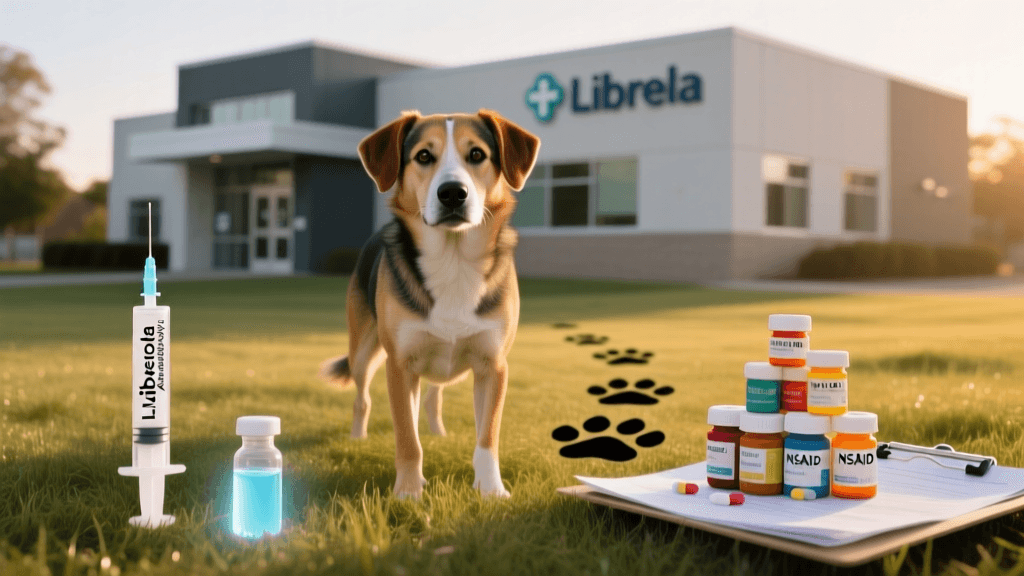
2026 Canine Osteoarthritis Guide: Librela vs NSAIDs
Compare Librela and NSAIDs for canine osteoarthritis in 2026. Discover costs, side effects, and efficacy to find the best joint pain relief for your dog.
The 2026 Landscape of Canine Osteoarthritis Treatment
Canine osteoarthritis (OA) is a progressive, degenerative joint disease that affects an estimated 30% of the global dog population. As our canine companions live longer due to advancements in veterinary nutrition and preventive care, managing chronic joint pain has become a primary focus for pet owners and veterinarians alike. According to the VCA Animal Hospitals, osteoarthritis is the most common form of chronic pain that veterinarians treat in dogs, fundamentally impacting their mobility, sleep quality, and overall joy.
As we navigate the veterinary landscape of 2026, the paradigm of pain management has shifted dramatically. For decades, Non-Steroidal Anti-Inflammatory Drugs (NSAIDs) were the undisputed gold standard for managing canine OA. However, the widespread adoption and refinement of monoclonal antibody therapies, specifically Librela (bedinvetmab), have revolutionized how we approach chronic joint pain. This comprehensive guide breaks down the mechanisms, costs, safety profiles, and efficacy of Librela versus traditional NSAIDs to help you make the most informed decision for your dog's health in 2026.
Traditional NSAIDs: The Established Baseline
Non-Steroidal Anti-Inflammatory Drugs (NSAIDs) have been the cornerstone of veterinary pain management since the late 1990s. Medications such as Carprofen (Rimadyl), Meloxicam (Metacam), and the newer prostaglandin receptor antagonist Grapiprant (Galliprant) work by inhibiting the cyclooxygenase (COX) enzymes. This inhibition reduces the production of prostaglandins, which are lipid compounds that trigger inflammation, pain, and fever in damaged joints.
The Advantages of NSAIDs
- Rapid Onset: NSAIDs typically provide noticeable pain relief within 24 to 48 hours of the first dose, making them excellent for acute flare-ups.
- Oral Administration: Daily chewable tablets or oral liquids are easy for most owners to administer at home without requiring a veterinary visit.
- Cost-Effective: Generic formulations of Carprofen and Meloxicam remain highly affordable, often costing between $20 and $50 per month depending on the dog's weight.
The Limitations and Risks
Despite their efficacy, NSAIDs are not without risks. Because prostaglandins also play a vital role in maintaining the protective mucosal lining of the stomach and regulating blood flow to the kidneys, long-term NSAID use can lead to gastrointestinal ulcers, vomiting, diarrhea, and in severe cases, hepatic or renal toxicity. In 2026, veterinary guidelines strongly mandate bi-annual blood panels for any dog on chronic NSAID therapy to monitor liver enzymes and kidney function, adding to the overall annual cost of care.
Librela (Bedinvetmab): The Monoclonal Antibody Breakthrough
Approved by the FDA and widely adopted globally, Librela represents a biological approach to pain management rather than a chemical one. As detailed by Zoetis Petcare, Librela is a canine-specific monoclonal antibody (mAb) that targets and neutralizes Nerve Growth Factor (NGF). NGF is a protein that becomes highly concentrated in arthritic joints and is responsible for amplifying pain signals sent to the brain.
The Advantages of Librela
- Organ-Sparing Mechanism: Because Librela is a protein-based antibody, it is broken down into amino acids and eliminated via cellular degradation. It does not rely on the liver or kidneys for metabolism, making it a groundbreaking option for senior dogs with pre-existing renal or hepatic compromise.
- Monthly Convenience: Administered as a subcutaneous injection by a veterinarian once a month, Librela ensures 100% compliance and removes the daily struggle of pilling a dog.
- Cumulative Efficacy: Clinical data shows that while some dogs experience relief after the first injection, the full therapeutic benefit often peaks after the second or third monthly dose as the antibody reaches steady-state concentrations in the bloodstream.
The Limitations and Risks
The primary barrier to Librela in 2026 remains the cost and the necessity of monthly clinic visits. Additionally, a small percentage of dogs may experience mild, transient injection site reactions, such as localized swelling or lethargy for 24 hours post-administration. It is also important to note that because Librela specifically targets NGF-mediated pain, it may not address the secondary inflammatory swelling in the joint as aggressively as an NSAID, leading some holistic veterinarians to combine it with joint supplements.
2026 Cost, Efficacy, and Safety Comparison Chart
To help you weigh your options, the table below compares the most common osteoarthritis treatments prescribed in 2026. Pricing reflects average national out-of-pocket costs for a 60-pound (27 kg) dog, excluding the initial veterinary consultation and mandatory bloodwork fees.
| Treatment Type | Brand Examples | Mechanism of Action | Est. Monthly Cost (60lb Dog) | Organ Metabolism | Frequency |
|---|---|---|---|---|---|
| Traditional NSAID | Carprofen (Rimadyl) | COX Enzyme Inhibition | $30 - $55 | Liver / Kidneys | Daily Oral |
| Traditional NSAID | Meloxicam (Metacam) | COX-2 Preferential Inhibition | $35 - $60 | Liver / Kidneys | Daily Oral Liquid |
| Piprant (NSAID Alternative) | Grapiprant (Galliprant) | EP4 Prostaglandin Receptor Antagonist | $75 - $110 | Liver (Primarily) | Daily Oral |
| Monoclonal Antibody | Bedinvetmab (Librela) | Targets Nerve Growth Factor (NGF) | $85 - $145 | Cellular Degradation (No organ toxicity) | Monthly Subcutaneous Injection |
Building a 2026 Multimodal Pain Management Protocol
Leading veterinary orthopedic specialists emphasize that medication alone is rarely sufficient for optimal OA management. The American Kennel Club advocates for a multimodal approach, combining pharmacological interventions with lifestyle and environmental modifications to maximize canine comfort and mobility.
1. Targeted Weight Management
Adipose tissue is not merely inert fat; it is an active endocrine organ that secretes pro-inflammatory cytokines. Keeping your dog at a lean body condition score (BCS of 4 or 5 out of 9) is the single most effective non-pharmacological intervention for OA. In 2026, veterinary nutritionists frequently prescribe prescription joint-metabolic diets that are fortified with high levels of EPA (eicosapentaenoic acid) to naturally inhibit joint cartilage degradation.
2. Advanced Physical Rehabilitation
Canine physical therapy has evolved significantly. Underwater treadmill therapy provides cardiovascular exercise and muscle strengthening without the concussive impact of walking on land. Furthermore, Class IV therapeutic laser therapy is now a staple in modern veterinary clinics, utilizing specific wavelengths of light to stimulate cellular repair, reduce localized inflammation, and increase blood flow to arthritic joints.
3. Environmental Modifications
Simple changes in the home environment can drastically reduce daily joint strain. Utilizing orthopedic memory foam beds, placing high-traction rubber rugs over slippery hardwood floors, and using foldable pet ramps for vehicle entry and sofa access are critical components of a comprehensive 2026 OA care plan.
Making the Right Choice for Your Dog
Choosing between Librela and NSAIDs is not a one-size-fits-all decision; it requires a tailored evaluation of your dog's specific health profile. If your dog is young, has pristine liver and kidney values, and you prefer the convenience and lower cost of at-home daily administration, a traditional NSAID like Carprofen or a targeted receptor antagonist like Galliprant remains an excellent, highly effective choice.
Conversely, if your dog is a senior with early-stage chronic kidney disease (CKD), a history of gastrointestinal sensitivities, or if you struggle with the daily stress of administering oral medications, Librela is undoubtedly the superior option. Its organ-sparing biological mechanism provides profound pain relief without the systemic risks associated with long-term chemical anti-inflammatories.
Ultimately, the best approach in 2026 is an ongoing partnership with your veterinarian. By combining the right foundational medication with targeted omega-3 supplementation, weight control, and environmental support, you can ensure your dog maintains a high quality of life, remaining active, comfortable, and happy well into their golden years.
hannah-wickes
All our authors care for dogs every day — read more of their work on the authors page.