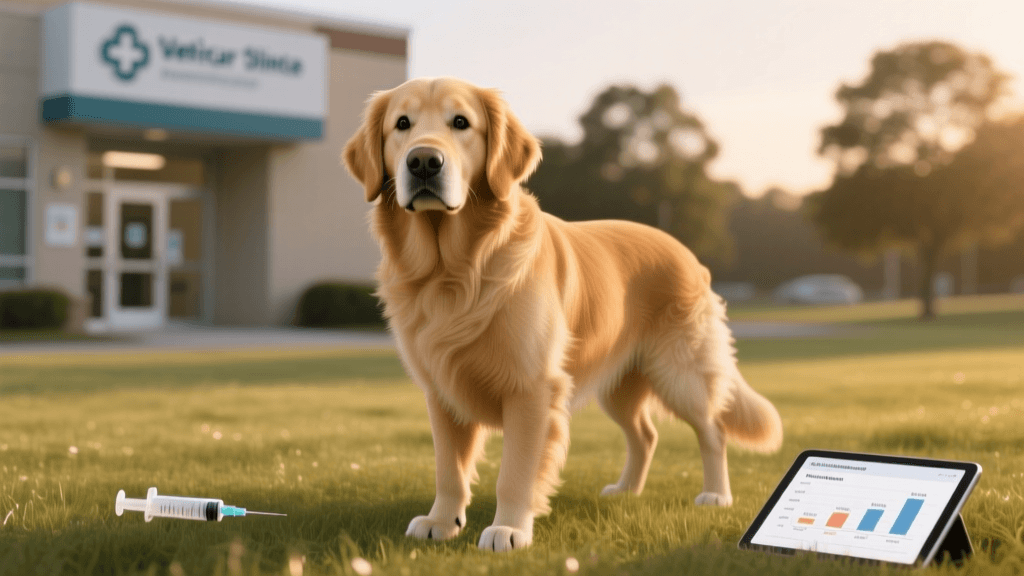
Canine Osteoarthritis Treatment 2026: Librela Vs NSAIDs
Discover the latest 2026 canine osteoarthritis treatments. Compare Librela monoclonal antibodies with traditional NSAIDs, costs, and multimodal care plans.
The Evolution of Canine Osteoarthritis Treatment in 2026
If you share your life with a senior dog, you are likely familiar with the subtle, heartbreaking signs of canine osteoarthritis (OA). The hesitation before jumping into the car, the stiffness on cold mornings, and the gradual loss of muscle mass in the hindquarters are all hallmarks of this degenerative joint disease. As of 2026, osteoarthritis remains one of the most prevalent chronic conditions in veterinary medicine, affecting an estimated 80% of dogs over the age of eight. However, the therapeutic landscape has undergone a revolutionary shift over the last few years, moving away from solely masking pain toward targeted biologic therapies.
Historically, veterinarians relied almost exclusively on Non-Steroidal Anti-Inflammatory Drugs (NSAIDs) to manage joint pain. While effective, these medications carry inherent risks to the liver, kidneys, and gastrointestinal tract, requiring frequent blood monitoring. Today, the 2026 standard of care emphasizes multimodal pain management, heavily featuring monoclonal antibodies like Librela (bedinvetmab) alongside targeted supplements, weight management, and physical therapies. Understanding the differences between these options is critical for optimizing your dog's quality of life.
Understanding Nerve Growth Factor (NGF) and Librela
To understand why Librela has become a cornerstone of modern arthritis management, we must first look at Nerve Growth Factor (NGF). NGF is a protein that plays a vital role in the growth and survival of certain neurons. In dogs with osteoarthritis, NGF is overexpressed in the damaged joint tissues, leading to heightened pain signaling and increased sensitivity to pain (hyperalgesia).
Librela is a canine-specific anti-NGF monoclonal antibody. Instead of metabolizing through the liver or kidneys like traditional pharmaceuticals, Librela works by binding to and neutralizing NGF directly at the source of the joint damage. Because it is a protein-based biologic, it is broken down into amino acids and recycled by the body, bypassing the hepatic and renal pathways entirely. This makes it an exceptionally safe option for senior dogs who may already have underlying kidney disease or liver compromise, a common scenario in the 2026 geriatric canine population.
Librela vs. Traditional NSAIDs: A 2026 Comparison
While Librela has transformed arthritis care, NSAIDs still hold a valuable place in veterinary medicine, particularly for acute flare-ups or for dogs that do not fully respond to anti-NGF therapy. Below is a comprehensive comparison of the primary pharmacological options available in 2026.
| Medication | Drug Class | Administration | Metabolism / Clearance | Common Side Effects | Avg. Monthly Cost (60lb Dog) |
|---|---|---|---|---|---|
| Librela (Bedinvetmab) | Monoclonal Antibody (Anti-NGF) | Subcutaneous Injection (Monthly) | Degraded into amino acids (No organ clearance) | Injection site swelling, rare lethargy | $85 - $130 |
| Carprofen (Rimadyl) | Traditional NSAID | Oral Chew/Tablet (Daily) | Hepatic (Liver) / Renal (Kidney) | Vomiting, diarrhea, elevated liver enzymes | $45 - $75 |
| Grapiprant (Galliprant) | NSAID (PGE2 Receptor Antagonist) | Oral Tablet (Daily) | Hepatic / Fecal | Mild GI upset, soft stools | $90 - $140 |
| Meloxicam (Metacam) | Traditional NSAID | Oral Liquid (Daily) | Renal / Hepatic | GI ulcers, kidney strain with long-term use | $35 - $60 |
For a deeper understanding of the safety profiles of these medications, the FDA's comprehensive guide on NSAIDs for dogs remains an essential resource for pet owners navigating daily oral pain relief options.
Building a Multimodal Arthritis Management Plan
In 2026, leading veterinary orthopedic specialists agree that no single medication is a silver bullet. The gold standard for canine osteoarthritis treatment is a multimodal approach, combining pharmacological interventions with nutritional and physical therapies.
1. Disease-Modifying Osteoarthritis Drugs (DMOADs)
Adequan (polysulfated glycosaminoglycan) is an injectable DMOAD that continues to be highly recommended. Unlike pain relievers, Adequan actively inhibits the enzymes that break down cartilage while stimulating the synthesis of new joint fluid. A typical loading dose involves twice-weekly intramuscular injections for four weeks, followed by monthly maintenance. When combined with Librela, dogs often experience profound improvements in joint mobility and comfort.
2. Therapeutic Omega-3 Fatty Acids
Not all fish oils are created equal. To achieve a therapeutic anti-inflammatory effect in an arthritic dog, you must look at the specific concentrations of EPA (eicosapentaenoic acid) and DHA (docosahexaenoic acid). Current 2026 veterinary nutrition guidelines recommend a combined EPA/DHA dose of roughly 300mg per 10kg (22lbs) of body weight daily. Over-the-counter pet store fish oils rarely meet this concentration. Veterinary-specific formulations, such as Welactin 3X Canine or Nordic Naturals Omega-3 Pet, are preferred to ensure purity and adequate dosing without adding excessive caloric fat to your dog's diet.
3. Class IV Therapeutic Laser
Cold laser therapy (photobiomodulation) utilizes specific wavelengths of light to penetrate deep into joint tissues, reducing inflammation and stimulating cellular repair. In 2026, most advanced veterinary clinics are equipped with Class IV therapeutic lasers. For chronic osteoarthritis, a typical protocol involves 10-15 minute sessions twice a week for the first month, tapering down to bi-weekly or monthly maintenance sessions. It is entirely painless, and most dogs find the gentle warmth deeply relaxing.
4. Strict Weight Management
No medication or supplement can outwork the physics of excess weight. Every extra pound on a dog's frame places roughly four pounds of additional pressure on their joints. Maintaining an ideal Body Condition Score (BCS) of 4/9 or 5/9 is the single most effective, cost-free intervention for osteoarthritis. If your dog is overweight, consult your vet about prescription joint-and-weight-management diets, which are formulated with high protein to maintain muscle mass while restricting calories and supplementing joint-supporting nutrients.
Cost Expectations for Arthritis Care in 2026
Managing a chronic condition requires a financial commitment, and budgeting for your dog's golden years is a reality of modern pet ownership. Based on 2026 national veterinary averages, here is what you can expect to spend on a comprehensive, multimodal arthritis plan for a medium-to-large breed dog (approx. 60-80 lbs):
- Librela Injections: $85 to $130 per month (priced by weight tiers).
- Therapeutic Omega-3s: $35 to $50 per month.
- Adequan Maintenance: $40 to $60 per month (after the initial loading phase).
- Baseline & Bi-Annual Bloodwork: $150 to $250 per visit (crucial if your dog is also on NSAIDs or has senior organ changes).
- Laser Therapy Sessions: $45 to $75 per session.
While the monthly costs can range from $150 to over $300 depending on the modalities chosen, the return on investment is measured in your dog's ability to walk comfortably, sleep through the night, and engage with your family.
When to Consult Your Veterinarian
Dogs are stoic creatures and often hide their pain until it becomes severe. Do not wait for a pronounced limp to seek help. According to the American Kennel Club's guidelines on recognizing osteoarthritis, subtle signs include licking at specific joints, changes in grooming habits, irritability when touched, and a reluctance to climb stairs or jump onto furniture.
If you notice any of these behavioral shifts, schedule a comprehensive orthopedic exam with your veterinarian. Together, you can design a customized, 2026-aligned multimodal treatment plan that prioritizes your dog's safety, comfort, and long-term mobility, ensuring their senior years are as vibrant and pain-free as possible.
robin-maitland
All our authors care for dogs every day — read more of their work on the authors page.