Canine Osteoarthritis Treatment 2026: Librela And Home Mobility
Discover the latest 2026 canine osteoarthritis treatments, including Librela injections, and learn how to set up a pain-free home mobility routine for your dog.
The 2026 Landscape of Canine Osteoarthritis Treatment
Osteoarthritis (OA) is a progressive, degenerative joint disease that affects nearly 40% of dogs over the age of seven, and it can strike much earlier in large breeds or dogs with developmental orthopedic conditions. As we navigate 2026, the veterinary paradigm for managing canine OA has shifted dramatically. We are no longer simply masking pain with traditional NSAIDs; instead, modern veterinary medicine focuses on disease modification, targeted biologic therapies, and comprehensive environmental management. According to the U.S. Food and Drug Administration (FDA), early intervention and multimodal management are the most effective ways to preserve joint cartilage and maintain a dog's quality of life.
Living with an arthritic dog requires a blend of cutting-edge medical treatments and thoughtful home modifications. This guide explores the most effective canine osteoarthritis treatments available in 2026 and provides a practical blueprint for engineering a joint-friendly home environment.
The Biologic Revolution: Librela and Targeted Therapies
The most significant breakthrough in recent years, which remains the gold standard for canine OA treatment in 2026, is the use of monoclonal antibodies. Librela (bedinvetmab) is a monthly subcutaneous injection that specifically targets and neutralizes Nerve Growth Factor (NGF), a protein that plays a central role in pain signaling and joint degradation. Unlike traditional NSAIDs, which can carry risks for the liver, kidneys, and gastrointestinal tract, Librela is metabolized like natural proteins, making it exceptionally safe for long-term use, even in senior dogs with compromised organ function.
In 2026, the average cost of Librela ranges from $90 to $140 per monthly dose, depending on your dog's weight tier and regional veterinary pricing. Most pet owners report a noticeable improvement in their dog's mobility, stair-climbing ability, and overall enthusiasm within 14 to 21 days of the first injection, with peak efficacy achieved after the second or third dose.
For dogs that cannot tolerate NSAIDs or require a multimodal approach, veterinarians frequently combine Librela with adjunctive therapies like Gabapentin for neuropathic pain or Adequan (polysulfated glycosaminoglycan) to actively inhibit cartilage-destroying enzymes and stimulate joint fluid production.
2026 Canine Osteoarthritis Medication Comparison
Choosing the right medication requires a tailored approach based on your dog's specific health profile. Below is a comparison of the most common OA treatments prescribed by veterinarians in 2026.
| Medication | Drug Class | Administration | Estimated 2026 Monthly Cost | Best For |
|---|---|---|---|---|
| Librela | Monoclonal Antibody (Anti-NGF) | Subcutaneous Injection | $90 - $140 | Long-term pain control; senior dogs with organ sensitivities |
| Galliprant | NSAID (EP4 Receptor Antagonist) | Daily Oral Chew | $75 - $120 | Dogs needing targeted inflammation control with fewer GI side effects |
| Adequan | PSGAG (Disease Modifier) | Intramuscular Injection | $50 - $90 | Slowing cartilage degradation; improving joint lubrication |
| Gabapentin | Neuromodulator | Oral Capsule/Liquid (2-3x daily) | $15 - $35 | Adjunctive therapy for chronic, neuropathic, or severe breakthrough pain |
Engineering a Joint-Friendly Home Environment
Medical treatment is only half the battle. The WSAVA Global Pain Council emphasizes that environmental modification is a critical pillar of multimodal OA management. Your home should be optimized to minimize joint strain, prevent slipping, and reduce the need for high-impact movements.
Strategic Flooring and Traction
Slippery hardwood, tile, and laminate floors are the enemy of arthritic hips and knees. When a dog's paws slide outward, the resulting micro-traumas accelerate joint deterioration. In 2026, the most effective and aesthetically pleasing solution is the strategic placement of low-pile, high-density area rugs secured with heavy-duty, pet-safe double-sided carpet tape. For high-traffic areas or dogs with severe splaying issues, interlocking EVA foam mats or specialized canine traction socks with silicone grips (such as Pawz Dog Boots or Grippy Socks) can provide immediate stability.
Orthopedic Sleep Surfaces
An arthritic dog needs a bed that prevents pressure points and retains heat. Standard poly-fill beds flatten out and offer zero joint support. Invest in a high-quality orthopedic bed featuring a minimum of 4 to 7 inches of therapeutic memory foam. The Big Barker Orthopedic Dog Bed remains a top-tier choice in 2026, utilizing a proprietary foam blend that guarantees it will not flatten over a decade. Ensure the bed has a low-profile entry or a built-in ramp so your dog does not have to jump to get in.
Ramps and Stairs
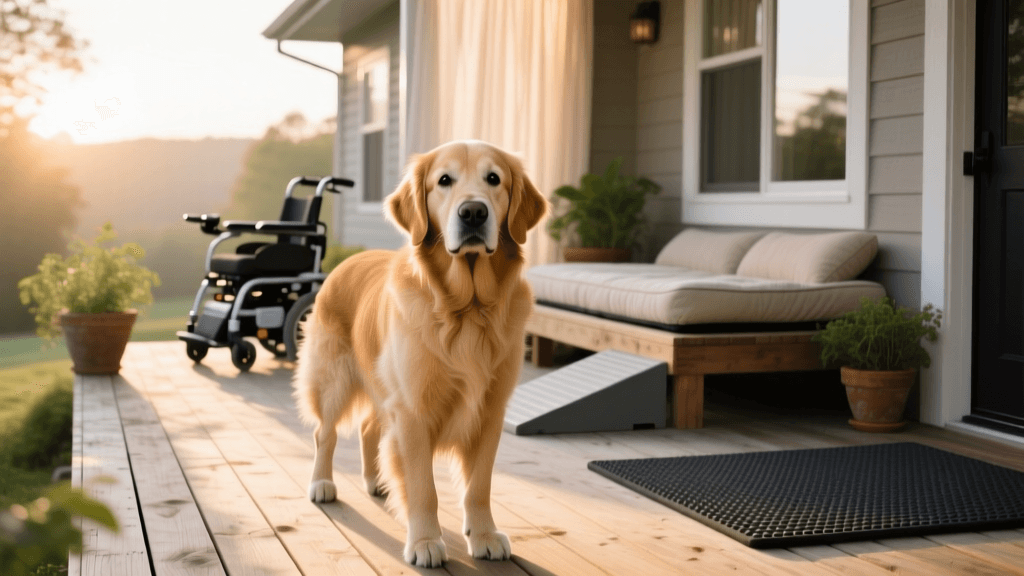
Never allow an arthritic dog to jump into an SUV, onto a couch, or up a steep flight of stairs. Use a ramp with a gentle incline (ideally an 18-to-20-degree angle). The PetSTEP Original Folding Pet Ramp is highly recommended due to its 18-inch width, rubberized non-slip surface, and 500-pound weight capacity. For indoor furniture, foam-based pet stairs with high-traction microsuede covers provide a stable, low-impact way for your dog to join you on the sofa.
The Daily Mobility Routine: Step-by-Step
Consistency is vital for managing OA stiffness. Implementing a structured daily routine helps maintain muscle mass, which acts as the primary shock absorber for compromised joints.
- Morning Warm-Up (15 Minutes): Canine joints stiffen overnight. Before your dog goes outside, apply a warm compress or a pet-safe microwavable heat pad to their major joints (hips, shoulders, knees) for 10 minutes to increase blood flow and loosen synovial fluid.
- The Morning Sniffari (20-30 Minutes): Avoid high-impact fetch or sprinting. Instead, embark on a slow-paced, leash-controlled walk focused on mental enrichment and sniffing. This keeps the muscles engaged without overloading the cartilage.
- Mid-Day Rest and Repositioning: If your dog sleeps while you work, encourage them to change positions every few hours to prevent severe stiffness. A gentle 5-minute massage focusing on the lumbar and thigh muscles can work wonders.
- Evening Cool-Down (10 Minutes): If your dog has been particularly active or shows signs of mild joint heat/swelling, apply a flexible cold pack wrapped in a towel to the affected joints for 10 minutes to blunt the inflammatory response.
Targeted Nutrition and Clinical Supplements
Dietary management is crucial. Excess body weight exponentially increases the mechanical load on arthritic joints. In 2026, veterinary nutritionists recommend keeping arthritic dogs on the lean side of their ideal body condition score (BCS 4/9).
Beyond weight management, clinical-grade Omega-3 fatty acids are non-negotiable. EPA and DHA (found in fish oil) actively inhibit inflammatory pathways in the joint capsule. The therapeutic dose for canine OA is generally 300 mg of combined EPA/DHA per 10 pounds of body weight. Products like Nordic Naturals Omega-3 Pet or veterinary-formulated Welactin provide the concentrated, purified doses required. Additionally, joint supplements containing undenatured type II collagen, green-lipped mussel extract, and ASU (Avocado/Soybean Unsaponifiables), such as Dasuquin Advanced, help support cartilage matrix integrity.
Assistive Devices for Advanced OA
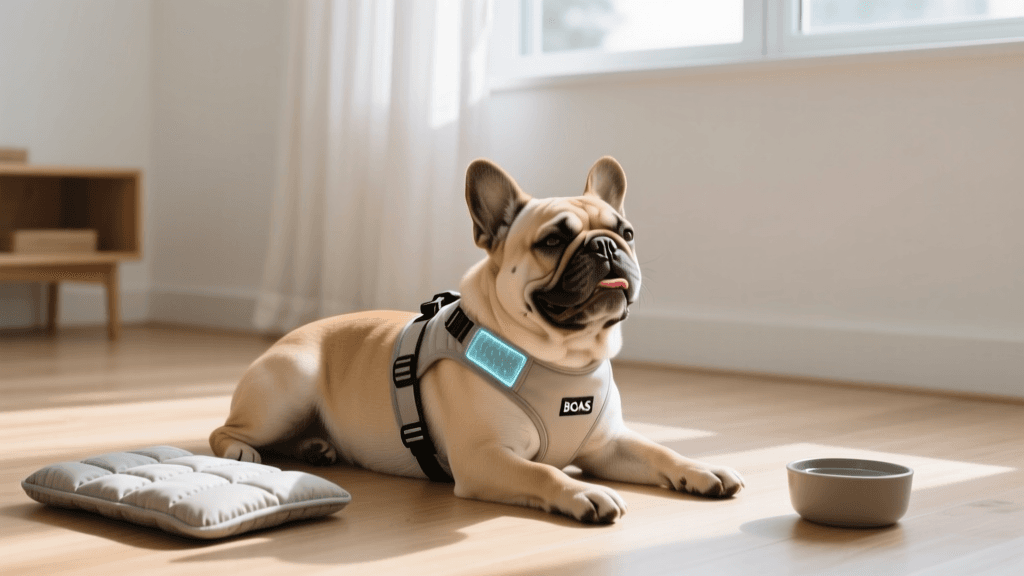
For dogs in the later stages of osteoarthritis, or those suffering from concurrent conditions like degenerative myelopathy or severe hip dysplasia, assistive gear becomes a daily necessity. The Help 'Em Up Harness is a revolutionary full-body support system that features both front and rear lifting handles. Priced around $160 to $200 in 2026, it allows owners to safely support their dog's hindquarters while navigating stairs, stepping into vehicles, or simply standing up from a lying position. For dogs that have lost significant hind-end proprioception, custom-fitted canine wheelchairs (like those from Walkin' Wheels) can restore their ability to explore the outdoors safely.
Conclusion
Managing canine osteoarthritis in 2026 is about proactive, multimodal care. By combining revolutionary biologic treatments like Librela with targeted environmental modifications, therapeutic nutrition, and a structured daily routine, you can significantly alter the trajectory of the disease. As highlighted by Cornell University's Veterinary Pain Management experts, the goal is not just to extend your dog's life, but to ensure that every day they live is comfortable, active, and joyful. Consult your veterinarian to build a customized 2026 OA management plan tailored to your dog's unique needs.
hannah-wickes
All our authors care for dogs every day — read more of their work on the authors page.