2026 Canine Osteoarthritis Guide: Librela & Home Care
Discover how to manage canine osteoarthritis in 2026 with Librela, home modifications, and daily routines to keep your senior dog comfortable and happy.
Understanding Canine Osteoarthritis in 2026
Living with a dog suffering from osteoarthritis (OA) requires a blend of medical intervention, environmental adjustments, and deep empathy. As we navigate 2026, the landscape of canine pain management has evolved dramatically, offering senior dogs and their owners a much higher quality of life. Osteoarthritis is a degenerative joint disease that affects the cartilage, leading to inflammation, pain, and reduced mobility. In the past, managing this condition meant relying heavily on daily medications that could tax a dog's liver and kidneys over time. Today, our approach is multimodal, combining breakthrough biologics with targeted home modifications and specialized daily routines.
According to the American Kennel Club, one in five adult dogs suffers from osteoarthritis, and that number jumps significantly in senior and giant breeds. Recognizing the subtle signs—such as reluctance to jump into the car, stiffness after resting, or changes in grooming habits—is the first step in reclaiming your dog's comfort.
The 2026 Medical Landscape: Beyond Traditional NSAIDs
For decades, Non-Steroidal Anti-Inflammatory Drugs (NSAIDs) like carprofen and meloxicam have been the cornerstone of OA treatment. While effective at reducing inflammation, long-term use requires rigorous blood monitoring to ensure liver and kidney health. The U.S. Food and Drug Administration continues to emphasize the importance of veterinary oversight when administering these daily medications.
However, the most significant shift in 2026 is the widespread adoption and refinement of anti-Nerve Growth Factor (anti-NGF) monoclonal antibodies, most notably bedinvetmab (brand name Librela). Unlike NSAIDs, which are processed through the hepatic and renal systems, Librela is a biologic therapy that targets the NGF protein responsible for transmitting pain signals. Administered as a monthly subcutaneous injection by your veterinarian, it bypasses the liver and kidneys entirely, making it a revolutionary option for senior dogs with pre-existing organ compromises. In 2026, the average cost for a monthly Librela injection ranges from $80 to $160, depending on your dog's weight and your geographic location.
Essential Home Modifications for Arthritic Dogs
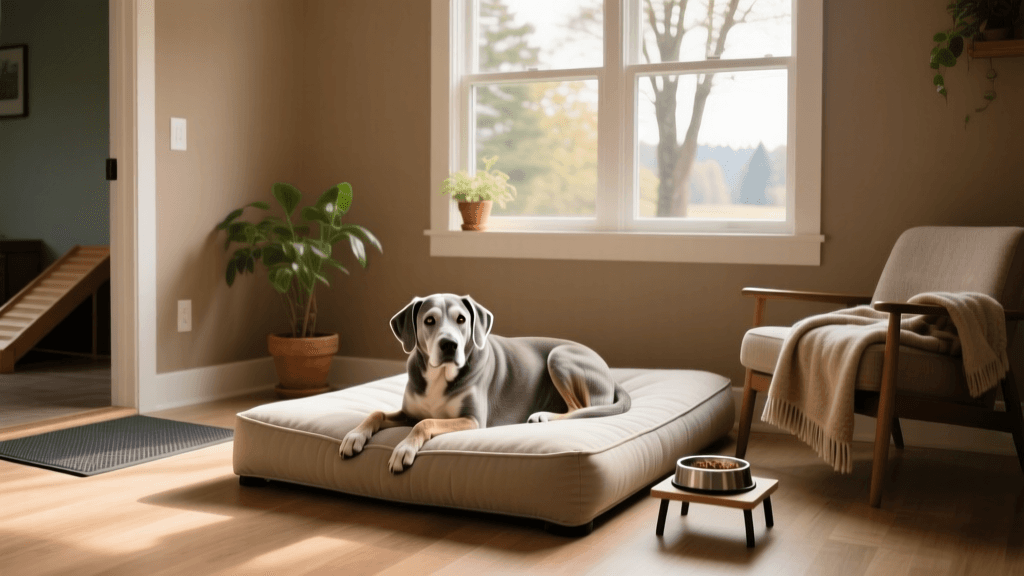
Medical treatment is only half the battle; the environment your dog navigates daily plays a massive role in their joint health. Slippery floors and steep stairs are the enemies of an arthritic dog. Here is how to dog-proof your home for OA in 2026:
1. Traction and Flooring
Hardwood and tile floors can cause micro-slips that lead to acute joint strains. Cover high-traffic areas with low-pile, non-slip rugs. For a more modern and easily cleanable solution, interlocking EVA foam mats or specialized canine traction socks (like Pawz rubber boots or Dr. Buzzy's anti-slip paw pads) provide immediate grip without altering your home's permanent flooring.
2. Ramps and Stairs
Eliminate the need for jumping entirely. Invest in a high-traction, foldable ramp for vehicle entry. The PetSafe Solvit Half Ramp or the Pet Gear Tri-Fold Ramp are excellent 2026 choices, supporting up to 200 pounds while featuring high-grip surfaces. For indoor furniture, use foam-based pet stairs with a wide base to prevent tipping, ensuring the incline is gentle enough for compromised hips and knees.
3. Orthopedic Sleep Surfaces
Standard poly-fill beds compress under a dog's weight, offering zero joint relief. Upgrade to a therapeutic orthopedic bed featuring human-grade memory foam. Brands like Big Barker offer 4-inch therapeutic foam bases that do not flatten over time, backed by a 10-year warranty. Expect to invest between $250 and $350 in 2026 for a high-quality, large-breed orthopedic bed, but the return on investment regarding your dog's morning mobility is immeasurable.
Structuring Your Dog's Daily Routine
A dog with OA thrives on predictable, low-impact routines. Here is a sample daily schedule optimized for joint health:
- Morning (7:00 AM): Gentle wake-up. Allow your dog to stretch at their own pace. Serve breakfast mixed with a high-quality joint supplement containing Omega-3 fatty acids (EPA/DHA) and green-lipped mussel extract.
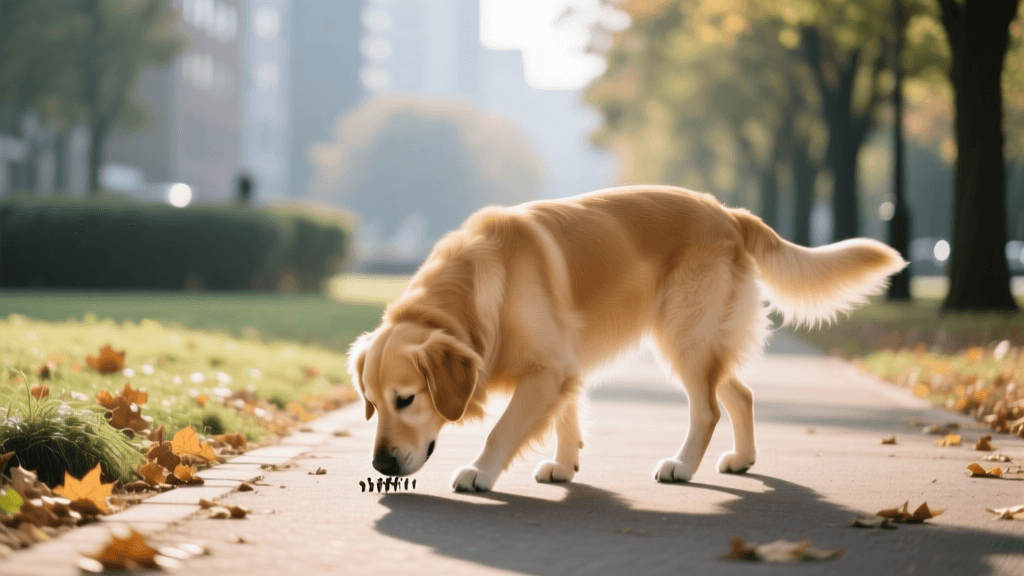
- Midday (12:00 PM): The 'Sniffari'. Instead of a brisk, long walk, take your dog on a 20-minute leash walk focused entirely on mental enrichment. Let them stop and sniff every bush and tree. Mental stimulation tires a dog out just as effectively as physical exercise, without the repetitive joint impact.
- Afternoon (3:00 PM): Passive Range of Motion (PROM) exercises. Gently flex and extend your dog's affected joints while they lie on their side on a comfortable mat. This keeps the joint capsule lubricated.
- Evening (8:00 PM): Warm compress therapy. Apply a warm, damp towel to arthritic hips or knees for 10 minutes before bed to increase blood flow and relax tense muscles.
Treatment and Cost Comparison (2026)
Choosing the right combination of therapies requires understanding the benefits and costs associated with each modality. Below is a comparison of the most common OA treatments available today.
| Treatment Modality | Common Examples | 2026 Avg. Monthly Cost | Primary Benefit |
|---|---|---|---|
| NSAIDs | Carprofen, Meloxicam | $40 - $90 | Rapid inflammation reduction |
| Anti-NGF Monoclonal Antibodies | Bedinvetmab (Librela) | $80 - $160 | No hepatic/renal processing |
| Nutraceuticals | Dasuquin Advanced, Omega-3 | $30 - $60 | Cartilage support, mild anti-inflammatory |
| Physical Rehabilitation | Hydrotherapy, Class IV Laser | $200 - $400 | Muscle mass preservation, pain relief |
| Adequan Injections | Polysulfated Glycosaminoglycan | $50 - $100 | Inhibits cartilage degradation |
Weight Management and Nutritional Support
No medication or orthopedic bed can fully compensate for the mechanical stress caused by excess weight. The WSAVA Global Pain Council consistently highlights weight management as the single most effective non-pharmaceutical intervention for canine osteoarthritis. Your dog's Body Condition Score (BCS) should ideally be a 4 out of 9. You should be able to easily feel their ribs without pressing hard, and they should have a visible abdominal tuck when viewed from the side.
If your dog needs to lose weight, consult your veterinarian about prescription metabolic diets that promote fat loss while preserving lean muscle mass. Pair this with strictly measured meal portions using a digital kitchen scale rather than a standard measuring cup, which can vary wildly in actual food volume.
The Role of Canine Rehabilitation
In 2026, canine physical rehabilitation is no longer just for post-surgical recovery; it is a frontline defense against OA progression. Certified Canine Rehabilitation Therapists (CCRT) utilize modalities like underwater treadmills, which provide cardiovascular exercise and muscle strengthening while the buoyancy of the water unloads the joints. Additionally, Class IV therapeutic cold laser treatments are frequently used to stimulate cellular repair and reduce localized inflammation without the need for sedation.
Conclusion: Embracing Life with an OA Dog
Sharing your life with a dog managing osteoarthritis is a journey of adaptation. By leveraging modern biologics like Librela, optimizing your home environment with ramps and orthopedic support, and committing to a low-impact, mentally enriching daily routine, you can ensure your dog's golden years are defined by comfort rather than pain. Regular check-ins with your veterinary team will allow you to adjust this multimodal plan as your dog ages, ensuring they remain a happy, active participant in your daily life for as long as possible.
tom-renshaw
All our authors care for dogs every day — read more of their work on the authors page.