Top Canine OA Treatments in 2026: Librela and Joint Supplements
Discover the most effective canine OA treatment plans for 2026. Learn how combining Librela injections with Dasuquin Advanced manages dog joint pain.
The Evolution of Canine Osteoarthritis Treatment in 2026
Osteoarthritis (OA) is a progressive, degenerative joint disease that affects an estimated 20% to 25% of all adult dogs, with prevalence skyrocketing in senior and large-breed populations. As we navigate veterinary care in 2026, the approach to managing canine OA has shifted dramatically from simple pain masking to comprehensive, multi-modal disease modification. Veterinary professionals now emphasize targeted biologic therapies combined with advanced nutraceuticals to preserve joint architecture and improve the quality of life for our canine companions.
According to the American Kennel Club (AKC), early intervention and consistent management are the cornerstones of treating degenerative joint disease. In 2026, the gold standard for canine OA treatment relies on a synergistic combination of anti-Nerve Growth Factor (NGF) monoclonal antibodies, specifically formulated joint supplements, and targeted physical rehabilitation. This guide explores the most effective, science-backed OA treatment plans available today, focusing on the powerhouse combination of Librela and premium joint supplements like Dasuquin Advanced.
Librela (Bedinvetmab): Targeting the Root of OA Pain
For decades, Non-Steroidal Anti-Inflammatory Drugs (NSAIDs) were the primary defense against canine OA pain. While effective, long-term NSAID use carries inherent risks to the gastrointestinal tract, liver, and kidneys, especially in aging dogs. The introduction and widespread adoption of Librela (bedinvetmab) has revolutionized veterinary pain management. As of 2026, Librela remains the premier biologic therapy for canine osteoarthritis, offering a highly targeted approach to pain relief without the systemic organ risks associated with traditional daily medications.
How Anti-NGF Therapy Works
Librela is a fully caninized monoclonal antibody that specifically targets and neutralizes Nerve Growth Factor (NGF). NGF is a protein that plays a critical role in pain signaling. In dogs with OA, NGF levels are significantly elevated in the affected joints, leading to heightened pain sensitivity and hyperalgesia. By binding to NGF, Librela prevents it from attaching to pain receptors, effectively blocking the pain signal before it reaches the brain. According to clinical data provided by Zoetis Pet Care, this targeted mechanism provides profound pain relief and improved mobility, often noticeable within the first month of treatment.
Administration, Efficacy, and 2026 Pricing
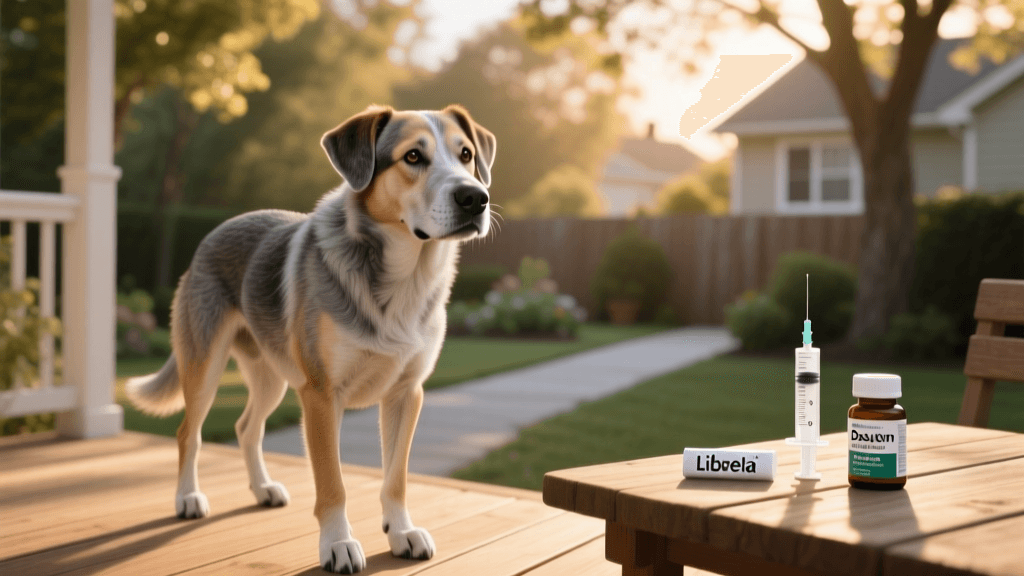
Librela is administered as a once-monthly subcutaneous injection by a veterinarian. This monthly cadence ensures high compliance, as owners do not have to wrestle with daily pill administration. In 2026, the cost of Librela typically ranges from $55 to $130 per month, depending on the dog's weight and the specific veterinary clinic's pricing structure. Because it is metabolized via cellular degradation rather than hepatic or renal pathways, it is exceptionally safe for dogs with pre-existing kidney or liver conditions, making it an ideal choice for senior dogs managing multiple health issues.
Nutritional Synergy: Dasuquin Advanced and Omega-3s
While Librela excels at managing the neurological perception of pain, it does not halt the physical degradation of cartilage. To address the structural component of OA, veterinary orthopedic specialists in 2026 strongly recommend integrating high-quality, clinically proven joint supplements into the daily regimen. The goal of these supplements is to provide the building blocks for cartilage repair, inhibit inflammatory enzymes, and protect existing joint structures.
Dasuquin Advanced with ESM
Dasuquin Advanced is widely regarded as a top-tier joint health supplement for dogs. It goes beyond basic glucosamine and chondroitin by incorporating ASU (Avocado/Soybean Unsaponifiables) and ESM (Eggshell Membrane). ASU has been shown in veterinary studies to protect cartilage from breakdown and improve joint function. ESM provides a natural source of collagen, glycosaminoglycans, and essential proteins that support joint tissue integrity. When used alongside Librela, Dasuquin Advanced provides a dual-action approach: Librela stops the pain, while Dasuquin supports the joint environment. For a 60-pound dog, the 2026 retail cost for Dasuquin Advanced chewables averages around $65 for a 60-count bottle, representing a daily cost of just over $1.
High-Dose Omega-3 Fatty Acids (EPA and DHA)
In addition to comprehensive joint supplements, therapeutic doses of Omega-3 fatty acids are a staple in 2026 OA protocols. Specifically, Eicosapentaenoic acid (EPA) and Docosahexaenoic acid (DHA) derived from wild-caught fish oils or microalgae possess potent natural anti-inflammatory properties. They work by displacing arachidonic acid in cell membranes, thereby reducing the production of pro-inflammatory prostaglandins. To achieve a therapeutic effect for OA, the Merck Veterinary Manual notes that dogs require significantly higher doses of EPA/DHA than what is found in standard over-the-counter dog foods. Veterinary-specific fish oils, such as Welactin 3X or Nordic Naturals Omega-3 Pet, are recommended to ensure purity and accurate dosing.
Comparative Analysis: 2026 OA Treatment Modalities
Understanding how different treatments interact and complement each other is vital for building a successful care plan. Below is a comparison of the most common canine OA treatments utilized in modern veterinary medicine.
| Treatment Modality | Primary Mechanism | Best Used For | Avg. Monthly Cost (2026) |
|---|---|---|---|
| Librela (Bedinvetmab) | Anti-NGF Monoclonal Antibody | Moderate to severe OA pain; dogs with organ sensitivities | $55 - $130 |
| NSAIDs (e.g., Carprofen) | COX Enzyme Inhibition | Acute flare-ups; short-term inflammation control | $30 - $80 |
| Dasuquin Advanced | Cartilage support via ASU & ESM | Long-term joint structural support and maintenance | $35 - $75 |
| Therapeutic Fish Oil | Systemic anti-inflammatory (EPA/DHA) | Reducing joint effusion and systemic inflammation | $20 - $45 |
| Adequan (Polysulfated GAG) | Cartilage matrix synthesis promotion | Disease modification; early to mid-stage OA | $40 - $90 (Series) |
Integrating Physical Rehabilitation and Environmental Modification
Pharmaceuticals and nutraceuticals form the foundation of OA treatment, but physical rehabilitation is the framework that maintains muscle mass and joint mobility. In 2026, canine rehabilitation centers are more accessible than ever, offering specialized therapies tailored to arthritic dogs.
- Underwater Treadmill Therapy: The buoyancy of water reduces weight-bearing stress on compromised joints while the resistance builds crucial supporting muscle mass in the hindquarters and core.
- Therapeutic Laser (Class IV): Photobiomodulation increases cellular ATP production, reduces localized inflammation, and promotes tissue healing in sore joints.
- Acupuncture: Often used as an adjunct therapy, veterinary acupuncture can help modulate pain pathways and improve blood flow to affected areas.
Environmental modifications at home are equally critical. Providing orthopedic memory foam beds prevents pressure sores and supports joint alignment during sleep. Installing non-slip rugs over hard flooring gives arthritic dogs the traction they need to stand and walk confidently, preventing catastrophic slips that could exacerbate joint injuries. Furthermore, utilizing ramps for vehicle entry and stair access eliminates the high-impact jumping that accelerates joint degradation.
Weight Management: The Non-Negotiable Foundation
No OA treatment plan, regardless of how advanced the pharmaceuticals are, will be fully effective if the dog is overweight. Excess adipose tissue is not merely dead weight; it is an active endocrine organ that secretes adipokines, which promote systemic inflammation and worsen joint pain. Keeping an arthritic dog at a lean body condition score (BCS of 4 or 5 out of 9) is arguably the single most impactful intervention an owner can make. In 2026, veterinary nutritionists recommend utilizing prescription joint-support diets, such as Hill's Prescription Diet j/d or Royal Canin Joint Care, which are formulated with restricted calories and enhanced levels of joint-supporting nutrients to help dogs maintain an ideal weight while treating their OA.
Building Your Dog's 2026 Multi-Modal Care Plan
Managing canine osteoarthritis requires a proactive, multi-modal strategy. By combining the targeted, nerve-level pain relief of monthly Librela injections with the structural cartilage support of Dasuquin Advanced and therapeutic Omega-3s, you address both the symptoms and the underlying progression of the disease. When layered with weight management, home modifications, and targeted physical therapy, this comprehensive 2026 protocol offers the best possible chance at keeping your dog active, comfortable, and happy well into their senior years. Always consult with your primary veterinarian or a veterinary orthopedic specialist to tailor these recommendations to your dog's specific medical history and needs.
jonas-cole
All our authors care for dogs every day — read more of their work on the authors page.