Canine OA Treatment 2026: Librela Injections & Home Care
Discover the 2026 multimodal approach to canine osteoarthritis. Learn how Librela injections and targeted home modifications can restore your dog's mobility.
The 2026 Paradigm Shift in Canine Osteoarthritis Care
Osteoarthritis (OA) is a progressive, degenerative joint disease that affects roughly 25% of the canine population. For decades, the standard of care relied heavily on daily non-steroidal anti-inflammatory drugs (NSAIDs). While effective, long-term NSAID use requires rigorous liver and kidney monitoring. As we navigate 2026, the veterinary community has fully embraced a multimodal approach that prioritizes targeted biologic therapies alongside comprehensive environmental and nutritional modifications. This guide explores the modern standard of care for canine OA, focusing on the widespread use of monoclonal antibodies like Librela and the critical home adjustments every pet parent must make to ensure their dog's comfort and mobility.
The 2026 Gold Standard: Monoclonal Antibody Therapy (Librela)
Bedinvetmab, marketed under the brand name Librela, has fundamentally changed how we manage canine OA pain. Unlike traditional NSAIDs that inhibit cyclooxygenase (COX) enzymes, Librela is a monoclonal antibody that specifically targets and neutralizes Nerve Growth Factor (NGF). NGF is a key protein involved in the transmission of pain signals from damaged joints to the brain.
How Librela Works in 2026
Administered as a monthly subcutaneous injection by your veterinarian, Librela provides continuous pain relief without the gastrointestinal, hepatic, or renal side effects commonly associated with daily oral medications. According to the American Kennel Club's veterinary resources, targeting NGF allows for a highly specific pain-blocking mechanism that leaves the rest of the dog's nervous system and organ functions entirely unaffected. This makes it an ideal solution for senior dogs who may already have underlying kidney or liver compromise.
Cost and Administration
In 2026, the cost of Librela typically ranges from $85 to $140 per month, depending on your dog's weight and your geographic location. Because it is administered in-clinic, it also guarantees a monthly touchpoint with your veterinary team, allowing for consistent monitoring of your dog's mobility and overall health.
Environmental Modifications: Ramps, Rugs, and Beds
Medical management is only half the battle. To truly improve the quality of life for a dog with OA, you must audit and modify your home environment to minimize joint stress.
Strategic Flooring Solutions
Hardwood, tile, and laminate floors are the natural enemies of an arthritic dog. Slipping and sliding force compromised joints to overcompensate, leading to micro-injuries and increased pain. In 2026, the most effective solution is the strategic placement of high-traction surfaces.
- Interlocking Foam Mats: Brands like BalanceFrom GoFit offer puzzle-piece foam tiles that can be placed in high-traffic areas, such as the path from the bed to the food bowl, or in front of the sofa.
- Non-Slip Dog Socks: For dogs that refuse to walk on mats, grip-socks like Dog Quality Grippy Socks provide immediate traction on slick surfaces.
- Yoga Mats: An affordable, easily washable alternative to specialized pet rugs, yoga mats can be cut to size and secured with double-sided pet-safe tape.
Ramps and Stairs
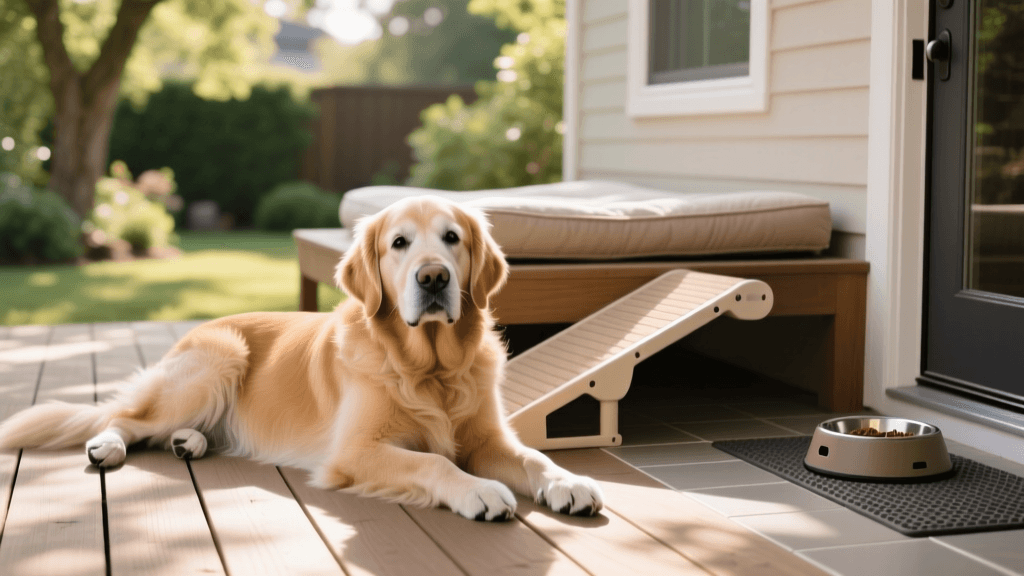
Jumping on and off furniture or into vehicles places immense concussive force on the hips, knees, and spine. Invest in a sturdy, high-traction ramp. The PetSafe CozyUp Folding Wood Pet Ramp remains a top choice in 2026 due to its lightweight design and high-friction surface. When training your dog to use a ramp, start with it laid flat on the grass, using high-value treats like freeze-dried liver to build positive associations before gradually increasing the incline.
Orthopedic Sleep Surfaces
Standard stuffed dog beds offer zero structural support. An arthritic dog requires a high-density, medical-grade orthopedic bed. The Big Barker 7-inch Orthopedic Dog Bed is engineered with a proprietary three-layer foam system that prevents the dog from "bottoming out" against the hard floor. While the 2026 price tag hovers around $280, the 10-year warranty and dramatic improvement in morning stiffness make it a non-negotiable investment for large breed dogs with OA.
Nutritional Support and Weight Management
The American College of Veterinary Surgeons emphasizes that weight management is the single most effective non-surgical treatment for canine osteoarthritis. Every extra pound of body weight places approximately four pounds of additional stress on weight-bearing joints.
Body Condition Scoring (BCS)
In 2026, veterinarians utilize a 9-point Body Condition Score. A dog with OA should ideally be maintained at a lean BCS of 4/9. You should be able to easily feel their ribs without pressing hard, and they should have a visible abdominal tuck when viewed from the side. If your dog is overweight, work with your vet to calculate a caloric deficit and switch to a prescription joint-and-weight-management diet.
Joint Supplements in 2026
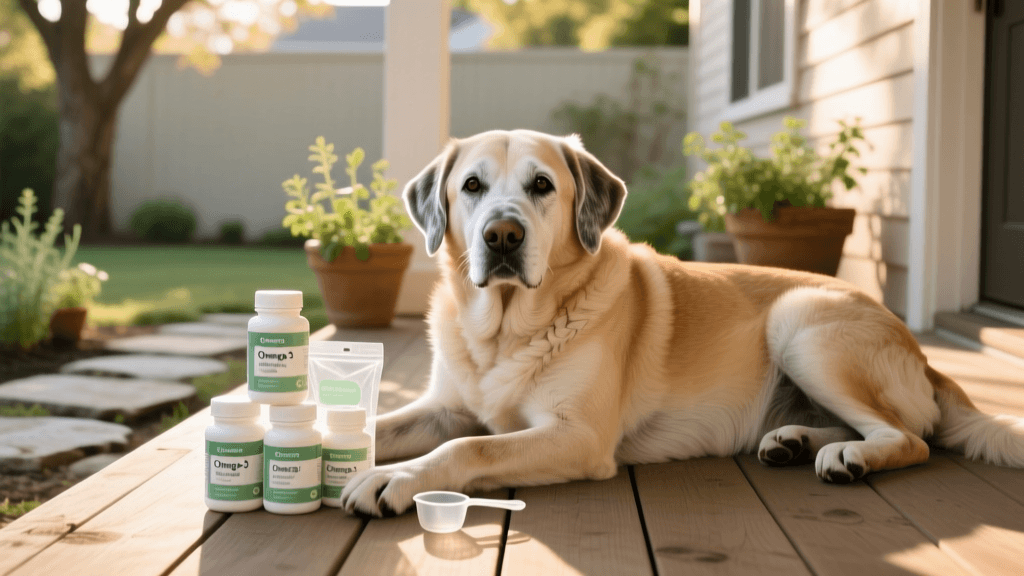
While Librela manages pain, joint supplements aim to slow cartilage degradation and reduce intra-articular inflammation. Look for supplements containing the following clinically backed ingredients:
- Epiitalis: A patented plant oil extract that promotes healthy cartilage and reduces inflammation. Found in Dasuquin Advanced.
- Omega-3 Fatty Acids (EPA/DHA):strong> Sourced from wild-caught fish oil or green-lipped mussels, Omega-3s disrupt the inflammatory cascade within the joint capsule. Ensure your supplement provides at least 1,000 mg of combined EPA/DHA per 20 lbs of body weight daily.
- UC-II (Undenatured Type II Collagen):strong> Works via oral tolerance to regulate the immune system's attack on joint cartilage.
2026 OA Treatment Comparison Matrix
To help you discuss options with your veterinarian, here is a comparison of the primary modalities used in the 2026 multimodal OA treatment plan.
| Treatment Modality | 2026 Example / Brand | Mechanism of Action | Est. Monthly Cost | Best Use Case |
|---|---|---|---|---|
| Monoclonal Antibody | Librela (bedinvetmab) | Neutralizes Nerve Growth Factor (NGF) | $85 - $140 | Dogs with renal/hepatic issues; severe pain |
| NSAID | Carprofen / Meloxicam | Inhibits COX enzymes to reduce inflammation | $30 - $80 | Acute flare-ups; healthy liver/kidneys |
| Nutraceutical | Dasuquin Advanced | Cartilage protection and mild inflammation reduction | $40 - $90 | Early-stage OA; long-term joint support |
| Physical Therapy | Underwater Treadmill | Builds muscle mass without joint concussive force | $75 - $120 / session | Muscle atrophy; post-operative rehab |
Physical Rehabilitation and Daily Routines
Resting an arthritic dog completely is a common misconception that leads to rapid muscle atrophy. Muscle acts as the primary shock absorber for joints; when muscle wastes away, the joints take the full brunt of physical impact. In 2026, canine physical rehabilitation is highly accessible and deeply integrated into OA care.
Low-Impact Exercise Protocols
Replace long, erratic runs at the dog park with structured, low-impact activities. Controlled leash walking on soft surfaces like grass or dirt trails helps maintain joint range of motion. Swimming and hydrotherapy (underwater treadmills) provide excellent cardiovascular and muscular workouts while the buoyancy of the water unloads the joints.
At-Home Massage and Heat Therapy
Before morning walks, especially in colder months, apply a pet-safe heating pad or a warm, damp towel to your dog's hips and spine for 10 minutes. This increases blood flow and loosens stiff tissues. Follow this with gentle, effleurage-style massage (long, sweeping strokes) to further prepare the muscles for movement. Always avoid deep tissue pressure directly over inflamed joints.
2026 Veterinary Insight: "The goal of modern OA management is not just to mask pain, but to preserve joint architecture and maintain the dog's behavioral repertoire. A dog that can still comfortably climb the stairs to sleep in its owner's bed is a dog with a vastly improved quality of life."
Conclusion: A Proactive Approach to Mobility
Managing canine osteoarthritis in 2026 requires a proactive, multimodal strategy. By combining the targeted, side-effect-free pain relief of Librela with rigorous weight management, high-quality joint supplements, and thoughtful home modifications, you can significantly slow the progression of the disease. Consult with your veterinarian to tailor this 2026 framework to your dog's specific needs, ensuring they remain happy, active, and comfortable in their golden years.
priya-sutaria
All our authors care for dogs every day — read more of their work on the authors page.