Top 5 Dog Joint Care Mistakes to Avoid for Arthritis
Discover the top 5 common mistakes dog owners make when managing canine arthritis and joint health, plus actionable tips on dosages, weight, and supplements.
The Hidden Epidemic of Canine Osteoarthritis
Osteoarthritis (OA) is a degenerative joint disease that affects an estimated 20% of adult dogs and up to 80% of senior canines. As a dog owner, watching your furry best friend struggle to stand up from their bed or hesitate before jumping into the car is heartbreaking. In our desperation to help, many of us rush to buy joint supplements, alter exercise routines, and change diets. However, without veterinary guidance, it is remarkably easy to make well-intentioned errors that actually accelerate joint degradation or cause secondary health issues.
According to the VCA Hospitals, osteoarthritis is a progressive disease that cannot be cured, but it can be managed. The key to successful management lies in avoiding common pitfalls. Here are the top five dog joint care mistakes you must avoid to protect your dog's mobility and quality of life.
Mistake 1: Waiting for the Limp (Reactive vs. Proactive Care)
The most pervasive mistake dog owners make is waiting until their dog exhibits obvious signs of pain—such as limping, vocalizing, or refusing to walk—before initiating joint support. By the time a limp is visible, significant and irreversible cartilage loss has already occurred. Cartilage does not possess a direct blood supply, meaning it lacks the regenerative capabilities of other tissues.
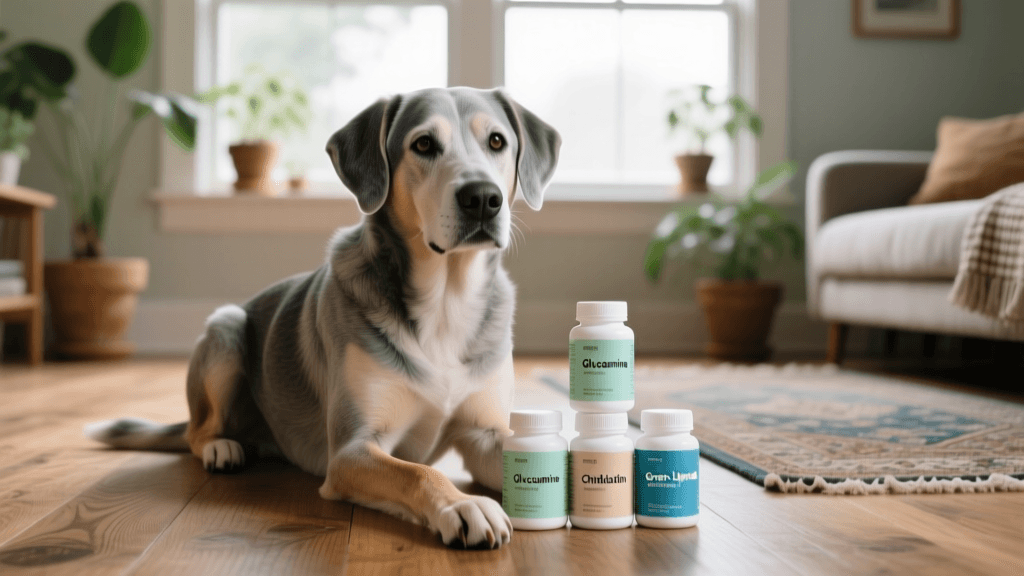
The Actionable Fix: Shift from reactive treatment to proactive preservation. Large and giant breeds (like German Shepherds, Golden Retrievers, and Great Danes) are genetically predisposed to hip and elbow dysplasia, which rapidly accelerates into OA. You should begin a preventive joint supplement regimen containing glucosamine and omega-3 fatty acids at 12 to 18 months of age for large breeds, and around 5 to 6 years of age for small breeds. Early intervention preserves the existing cartilage matrix and lubricates the synovial fluid before severe friction takes hold.
Mistake 2: Guessing Omega-3 and Glucosamine Dosages
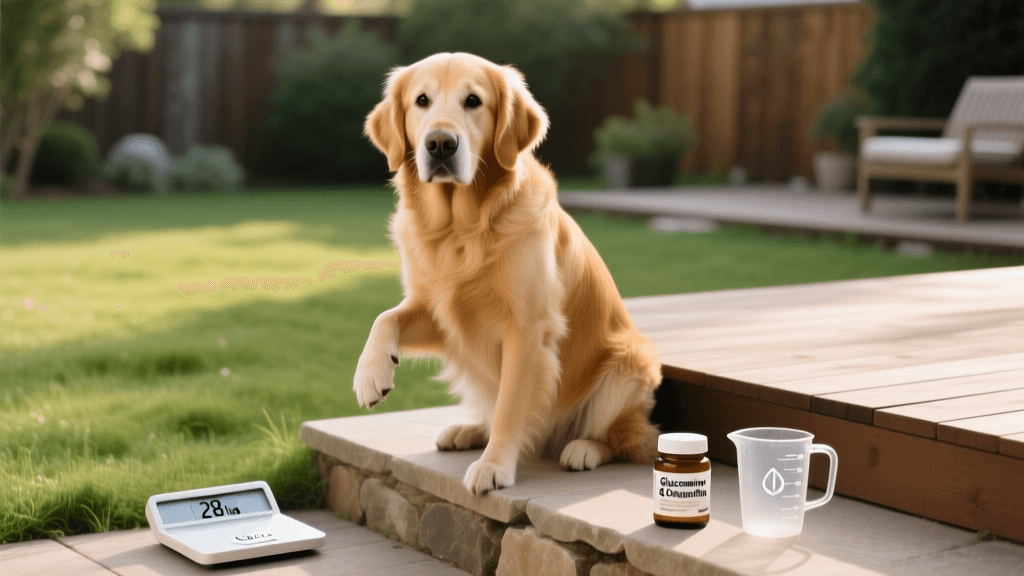
Walk into any pet store, and you will see hundreds of joint chews. Many owners simply buy a popular brand and follow the vague 'give 1-2 chews daily' label. This is a massive error. Therapeutic doses of joint-supporting compounds are highly weight-dependent, and most commercial treats contain sub-clinical doses that do nothing but lighten your wallet.
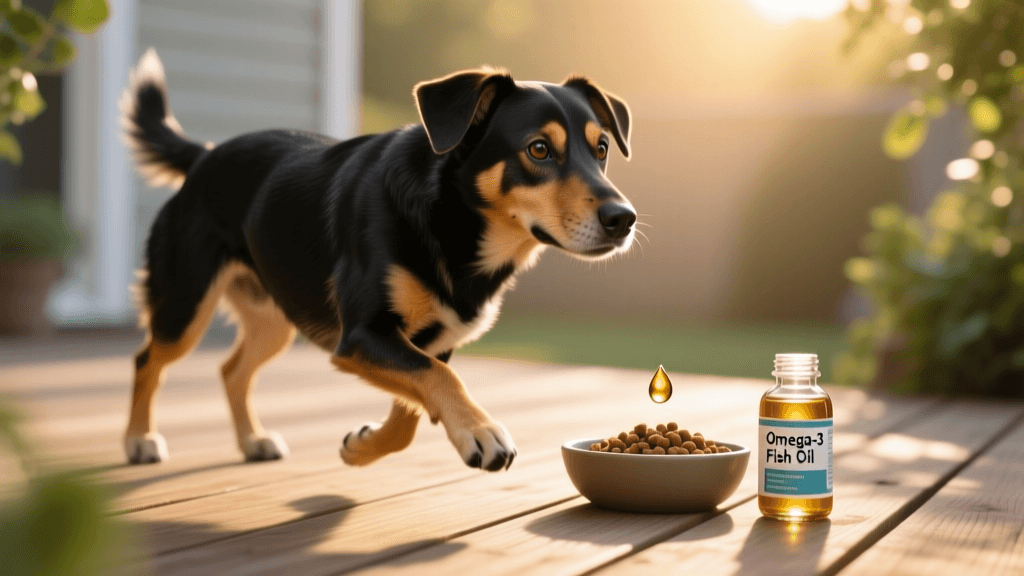
Furthermore, when it comes to Omega-3 fatty acids (specifically EPA and DHA), the anti-inflammatory benefits for joints are only achieved at specific, high concentrations. A standard skin-and-coat fish oil will not provide enough EPA to inhibit the COX-2 enzymes responsible for joint inflammation.
Joint Supplement Cheat Sheet: Ingredients, Dosages, and Costs
| Active Ingredient | Primary Function | Target Dosage (for a 50 lb Dog) | Est. Monthly Cost |
|---|---|---|---|
| Glucosamine HCl | Provides building blocks for glycosaminoglycans (cartilage matrix). | 1,000 - 1,500 mg daily | $15 - $25 |
| Chondroitin Sulfate | Inhibits enzymes that break down cartilage; draws water into joints. | 800 - 1,200 mg daily | $20 - $35 |
| Omega-3 (EPA/DHA) | Potent anti-inflammatory; reduces joint swelling and pain signaling. | 1,000 - 1,500 mg (combined EPA/DHA) | $15 - $30 |
| Green-Lipped Mussel | Natural source of ETA (eicosatetraenoic acid) and joint nutrients. | 450 - 900 mg daily | $25 - $45 |
Note: Always administer Omega-3 fish oils with a fat-containing meal to ensure proper absorption, and store liquid oils in the refrigerator to prevent rancidity.
Mistake 3: Ignoring the Body Condition Score (BCS)
You can spend hundreds of dollars on premium joint supplements, veterinary laser therapy, and prescription NSAIDs, but if your dog is overweight, you are fighting a losing battle. Excess adipose (fat) tissue is not just dead weight; it is an active endocrine organ that secretes pro-inflammatory cytokines, directly worsening joint pain.
'Every single pound of excess weight on a dog translates to roughly four pounds of extra mechanical pressure on their joints. Keeping your dog lean is the single most effective, non-pharmaceutical intervention for canine osteoarthritis.' — American Kennel Club (AKC)
The Actionable Fix: Stop relying on the scale and start using the Body Condition Score (BCS) system, which ranges from 1 (emaciated) to 9 (severely obese). Your dog should be a 4 or 5 out of 9.
- The Rib Test: You should be able to easily feel your dog's ribs without pressing hard, much like feeling the knuckles on the back of your hand when your fingers are extended.
- The Tuck Test: When viewing your dog from the side, there should be a distinct abdominal tuck behind the rib cage. From above, they should have an hourglass waist.
- Dietary Adjustment: If your dog is overweight, reduce their daily caloric intake by 10-15% and eliminate high-calorie training treats, substituting them with low-calorie options like freeze-dried green beans or small pieces of boiled chicken breast.
Mistake 4: The 'Weekend Warrior' Exercise Trap
Dogs with early-stage arthritis often feel stiff in the morning but 'warm out' and seem fine after a few minutes of movement. Owners frequently mistake this temporary mobility for a clean bill of health, leading to the 'Weekend Warrior' syndrome: letting the dog sleep around the house all week, then taking them on a grueling 5-mile hike or playing intense games of fetch at the dog park on Saturday.
This erratic, high-impact exercise causes micro-trauma to already compromised joints, leading to severe inflammation and pain crashes that last for days. According to the American College of Veterinary Surgeons (ACVS), controlled, consistent exercise is vital for maintaining muscle mass, which acts as a shock absorber for the joints.
The Actionable Fix: Implement a strict, low-impact daily routine.
- Leash Walking: Replace off-leash running and jumping with structured, 20-to-30-minute leash walks twice a day. This prevents sudden, explosive movements that tear cartilage.
- Hydrotherapy: Swimming or walking on an underwater treadmill provides excellent cardiovascular and muscle-building benefits with zero concussive joint impact.
- Surface Management: Avoid walking on slippery hardwood floors or concrete. Invest in interlocking foam mats or high-traction area rugs for your home to prevent splaying, which puts immense torque on the hips and knees.
Mistake 5: Buying Unverified, Low-Quality Supplements
The pet supplement industry is not regulated with the same strict oversight as pharmaceuticals. A shocking number of over-the-counter joint supplements do not contain the amounts of active ingredients listed on their labels, and some contain heavy metals or harmful contaminants.
The Actionable Fix: Never buy a joint supplement based solely on a flashy label or a low price point. Instead, look for the NASC (National Animal Supplement Council) Quality Seal. To earn this seal, manufacturers must undergo rigorous third-party facility audits, prove label accuracy, and maintain strict adverse event reporting systems. Additionally, look for products that utilize patented, clinically tested ingredients (such as UC-II collagen or specific standardized green-lipped mussel extracts) rather than generic, unverified powders.
Summary: Your Action Plan for Joint Health
Managing canine arthritis requires a multifaceted approach that goes far beyond simply tossing a chew into your dog's food bowl. By starting joint support early, calculating exact therapeutic dosages for Omega-3s and glucosamine, strictly maintaining a BCS of 4-5, enforcing consistent low-impact exercise, and demanding third-party verified supplements, you can drastically alter the trajectory of your dog's joint health.
Always consult with your primary veterinarian or a board-certified veterinary orthopedic specialist before introducing new supplements, especially if your dog is currently taking prescription NSAIDs like Carprofen or Meloxicam, to avoid dangerous drug interactions. Your dog relies on you to be their advocate—make sure your care strategy is built on science, not guesswork.
hannah-wickes
All our authors care for dogs every day — read more of their work on the authors page.