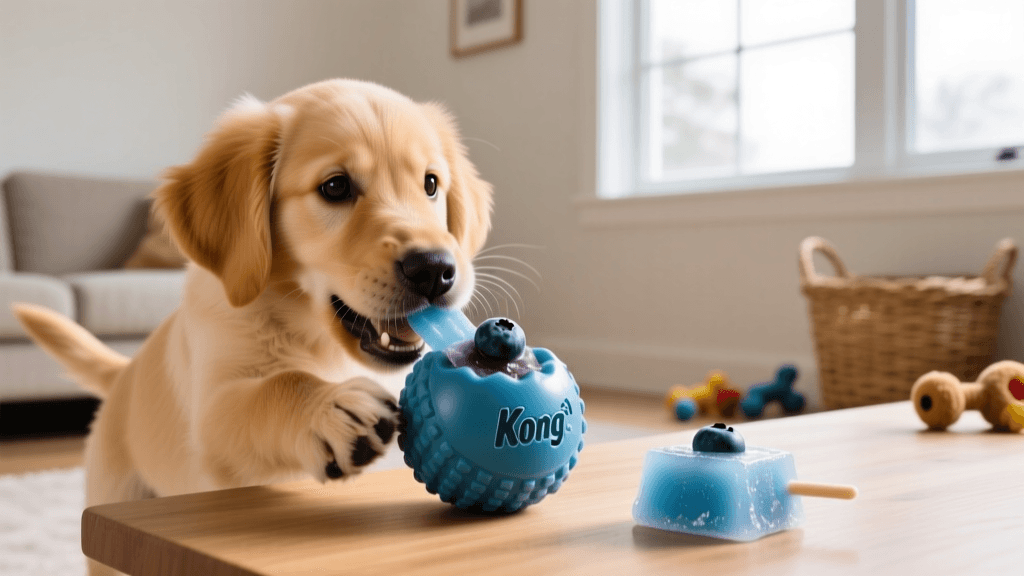
Force-Free Puppy Bite Inhibition Using Kongs 2026 Guide
Learn force-free puppy bite inhibition techniques for 2026 using the Kong Classic, frozen treats, and positive redirection to stop painful teething.
The 2026 Standard: Why Force-Free Bite Inhibition Matters
As we navigate puppy rearing in 2026, the veterinary and behavioral science communities have reached a definitive consensus: force-free, positive reinforcement methods are not just a preference; they are the gold standard for canine behavioral development. Outdated, aversive techniques like muzzle-holding, alpha rolls, or spraying water have been thoroughly debunked and are now widely recognized by modern behaviorists as detrimental to a puppy's psychological well-being and the human-animal bond.
When it comes to puppy biting and teething, the goal is not to suppress natural behaviors through fear, but to teach bite inhibition and appropriate redirection. The Least Intrusive, Minimally Aversive (LIMA) framework dictates that we manage the environment and reward desired behaviors. In this comprehensive guide, we will explore how to utilize the Kong Classic Puppy toy, alongside strategic frozen enrichment, to humanely and effectively manage your puppy's teething phase this year.
Understanding Puppy Teething and Mouthing
Puppies explore the world primarily through their mouths. Mouthing is a vital developmental milestone, allowing them to gather sensory information and engage in social play with their littermates. However, when a puppy transitions to a human home, those needle-sharp deciduous teeth (often called "milk teeth") can cause significant pain and damage to human skin and household items.
According to the ASPCA, teething discomfort begins as early as three weeks of age and peaks when adult teeth start pushing through the gums between three and six months. During this window, puppies have an intense, biologically driven urge to chew to relieve gum pressure. Force-free training acknowledges this biological need and provides acceptable, soothing outlets rather than punishing the puppy for experiencing discomfort.
The Kong Classic Puppy: Your Primary Redirection Tool
The cornerstone of any 2026 force-free teething management kit is the Kong Classic Puppy (specifically the pink or blue rubber models, which are formulated with a softer, more forgiving natural rubber compound designed explicitly for developing puppy jaws). Unlike hard nylon bones or antlers—which veterinary dentists strongly advise against due to the risk of slab fractures in fragile puppy teeth—the Kong Classic provides a resilient, safe, and highly engaging chewing surface.
Preparing the Kong for Maximum Engagement
A hollow rubber toy is only as good as its stuffing. To create a positive association and keep your puppy engaged for extended periods, you must layer the Kong strategically. The act of licking and chewing releases endorphins in a dog's brain, naturally soothing the anxiety and discomfort associated with teething.
- The Base Layer: Pack the bottom third with a high-value, easily extractable treat like a smear of xylitol-free peanut butter or plain Greek yogurt.
- The Core Layer: Fill the middle with your puppy's daily kibble allocation, lightly moistened with low-sodium chicken broth or water.
- The Cap Layer: Seal the top hole with a soft puree (like mashed banana or pureed pumpkin) and freeze the entire toy for 4 to 6 hours.
The frozen core provides a numbing effect on inflamed gums, while the extended foraging time satisfies the puppy's need to chew without directing that energy toward your furniture or fingers.
Step-by-Step Force-Free Redirection Protocol
When your puppy's teeth make contact with human skin, follow this strict, force-free protocol to teach bite inhibition without inducing fear.
Step 1: The "Ouch" and Disengage
The moment you feel teeth on your skin, let out a high-pitched, gentle yelp or say a calm but firm "Oops!" This mimics the feedback a littermate would give. Immediately withdraw your hands and stand up or step back, removing your attention for exactly 10 to 15 seconds. This teaches the puppy that human skin equals the end of play.
Step 2: Offer the Appropriate Alternative
After the brief time-out, re-engage the puppy by presenting a pre-stuffed, frozen Kong Classic Puppy or a designated teething chew. When the puppy takes the toy into their mouth, immediately offer verbal praise ("Yes! Good chew!") and gentle petting. You are actively reinforcing the choice to chew on an appropriate item.
Step 3: Environmental Management
Management is a critical pillar of positive reinforcement. If your puppy is in a highly aroused state (the "puppy zoomies"), they are more likely to bite. Anticipate these high-energy windows—typically early morning and early evening—and proactively hand them a frozen enrichment toy before the biting begins.
Teething Timeline & Force-Free Interventions
Understanding the biological timeline of your puppy's dental development allows you to adjust your force-free interventions appropriately. Below is the 2026 veterinary-recognized teething timeline and the corresponding positive reinforcement strategies.
| Age Range | Dental Milestone | Force-Free Intervention Strategy |
|---|---|---|
| 3 - 6 Weeks | Deciduous (milk) teeth erupt | Allow littermates to teach initial bite inhibition through natural play feedback. |
| 8 - 12 Weeks | Exploratory mouthing peaks | Introduce soft Kong Classic Puppy; practice 15-second disengagement protocol for skin contact. |
| 3 - 4 Months | Incisors and canines begin to shed | Provide frozen, broth-soaked kibble in Kongs to numb gums; increase chew toy rotation. |
| 4 - 6 Months | Premolars and molars erupt | Introduce slightly firmer rubber toys; utilize snuffle mats for mental fatigue to reduce arousal biting. |
| 6 - 8 Months | Adult dentition fully established | Transition to classic red Kong; reinforce "Drop It" cue using high-value treat exchanges. |
Enrichment Alternatives: Lick Mats and Snuffle Mats
While the Kong is unparalleled for chewing, licking is another powerful soothing mechanism. In 2026, silicone lick mats (such as the Hyper Pet IQ Treat Mat) are staple tools in force-free puppy kits. Spread a thin layer of puppy-safe wet food, goat's milk, or pureed sardines over the textured surface and freeze it. Licking stimulates the parasympathetic nervous system, lowering the puppy's heart rate and reducing the hyperactivity that often leads to nipping.
Additionally, snuffle mats encourage natural foraging behaviors. By hiding dry kibble within the deep fleece folds of a snuffle mat, you force the puppy to use their nose and brain. Mental enrichment tires a puppy out significantly faster than physical exercise alone, resulting in a calmer, less bite-prone companion.
What to Avoid: Outdated Aversive Methods
To truly embrace the positive reinforcement philosophy, we must actively unlearn the punitive advice of the past. The American Veterinary Society of Animal Behavior (AVSAB) strictly advises against the use of dominance-based punishment. Never hold your puppy's mouth shut, flick their nose, or pin them to the floor when they bite. These actions trigger a fear response, which can quickly escalate into defensive aggression and severely damage the trust your puppy has in you.
Furthermore, avoid applying bitter apple sprays to your hands or arms. Not only do these sprays often fail to deter highly motivated teething puppies, but they also confuse the animal by making their primary source of comfort and guidance (you) taste aversive and unpredictable.
Consistency is the Key to Success
Bite inhibition is not a behavior a puppy learns in a single afternoon. It requires weeks of consistent, patient redirection. Every member of the household must adhere to the exact same protocol: skin contact means play stops, and chewing on a Kong or lick mat means praise and engagement continue. By utilizing the Kong Classic Puppy, frozen enrichment, and a deep understanding of your puppy's developmental needs, you will guide them through the teething phase with empathy and science-backed precision, ensuring a well-adjusted, gentle-mouthed adult dog.
hannah-wickes
All our authors care for dogs every day — read more of their work on the authors page.