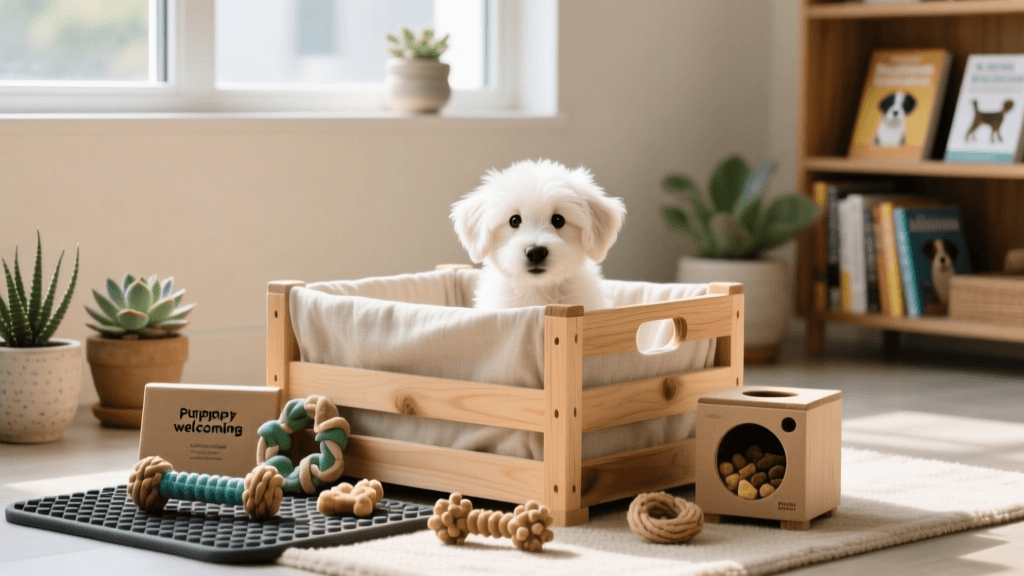
How to Safely Introduce a Second Dog to Resident Pets
Learn how to safely introduce a second dog to your resident dog or cat. Discover step-by-step multi-pet integration tips, gear, and home prep advice.

Preparing Your Home for a Multi-Pet Household
Bringing a second dog into a home that already has a resident dog or cat is an exciting milestone, but it requires careful planning, patience, and strategic environmental management. The transition period can be highly stressful for your existing pets, who may feel their territory and resources are being threatened. According to the American Kennel Club, a slow, methodical introduction is the single most important factor in ensuring long-term harmony between your pets. Rushing the process can lead to resource guarding, territorial aggression, and chronic stress.
Before your new dog even crosses the threshold of your home, you must prepare your living space to support a multi-pet dynamic. This involves setting up physical boundaries, purchasing duplicate resources, and establishing safe zones where each animal can retreat without being bothered.
Duplicate All Essential Resources
One of the primary triggers for conflict in multi-dog households is competition over high-value resources. To prevent this, you must duplicate all essential items. Do not expect your resident dog to willingly share their favorite bed, food bowl, or chew toy with a new arrival.
- Crates: Purchase two separate crates. If you have large breed dogs, invest in two 42-inch wire crates (such as the Midwest Homes for Pets Single Door Crate, typically costing around $75 to $90 each). Place them in the same room but far enough apart that the dogs cannot reach each other through the bars.
- Food and Water Bowls: Buy distinct, differently colored bowls for each dog. This visual cue helps you manage feeding times and prevents accidental food stealing.
- Beds and Blankets: Provide separate orthopedic beds in different areas of the house. A new dog should not be forced to sleep in the resident dog's favored spot.
- Toys: Pick up all existing toys before the new dog arrives. Introduce new toys only during supervised, separate play sessions to avoid immediate territorial disputes.
Establish Safe Zones and Physical Barriers
Physical barriers are your best friend during the first few weeks of integration. Invest in high-quality, hardware-mounted baby gates rather than pressure-mounted ones, which can be easily knocked over by a determined or anxious dog. The Carlson Pet Products Super Wide Walk-Thru Gate (approximately $60 to $80) is an excellent choice for wide hallways and open-concept living areas. These gates allow you to separate the dogs while still allowing them to see and smell each other, facilitating a safe, controlled desensitization process.
The Scent Swap: Before the First Meeting
Dogs experience the world primarily through their olfactory senses. Before the dogs ever lay eyes on each other, they should become intimately familiar with each other's scent. This process, known as a scent swap, removes the shock of a sudden olfactory intrusion when the new dog enters the home.
Begin the scent swap at least a week before the new dog arrives, if possible. Take a clean cotton sock and gently rub it along the new dog's cheeks, neck, and base of the tail. Bring this sock home and place it near your resident dog's food bowl or favorite sleeping area. This pairs the new dog's scent with positive experiences, such as eating and resting. Conversely, bring a sock carrying your resident dog's scent to the new dog's temporary location. Swap out bedding and toys between the two environments daily. By the time the dogs meet, the new dog's scent will already feel like a familiar, non-threatening part of the household.
The First Meeting: Neutral Territory
The first physical meeting between the two dogs should never take place inside your home or in your fenced backyard. Your resident dog views these areas as their core territory, and an intrusion by a stranger can trigger an immediate defensive response. Instead, orchestrate the first meeting on neutral territory, such as a quiet local park, a tennis court, or a calm neighborhood sidewalk.
Enlist the help of a second adult so that each dog is handled by a separate person. Both dogs should be secured on standard six-foot leather or nylon leashes; avoid retractable leashes, as they offer poor control and can easily snap if a dog lunges.
The Parallel Walking Technique
Start by walking the dogs in the same direction, but on opposite sides of the street, maintaining a distance of at least 20 feet. This allows them to observe each other without the pressure of a direct, face-to-face confrontation. Keep the walks brisk and purposeful. Reward both dogs with high-value treats, such as boiled chicken or freeze-dried liver, every time they glance at the other dog without reacting.
Gradually decrease the distance between the dogs over the course of a 30-minute walk. If either dog shows signs of stress, stiffness, hard staring, or lunging, immediately increase the distance and resume walking. Once the dogs are walking comfortably side-by-side at a distance of three to four feet, allow them to stop and sniff each other briefly. Keep the leashes loose to avoid transmitting tension, and limit the initial sniffing to three to five seconds before cheerfully calling them away and resuming the walk.
Introducing a New Dog to a Resident Cat
If your household includes a resident cat, the introduction process requires an entirely different strategy. According to the Humane Society of the United States, the safety of the cat must be the absolute priority, as even a playful dog can severely injure a feline companion.
Before bringing the dog home, ensure your cat has ample vertical escape routes. Invest in a tall, sturdy cat tree, such as the Go Pet Club 72-Inch Cat Tree (approximately $100 to $130), and install wall-mounted cat shelves. Cats feel secure when they can observe their environment from above, out of the dog's reach.
Keep the new dog on a leash and muzzled (using a basket muzzle that allows panting and treat-taking) during the first few indoor introductions. Allow the cat to approach the dog on their own terms; never force the cat into the dog's space or hold the cat in your arms, as this can induce panic and trigger a scratching response. Reward the dog heavily for calm behavior, such as sitting or lying down, while the cat is in the room. If the dog fixates, whines, or pulls toward the cat, calmly redirect their attention to you and increase the distance.
Multi-Pet Integration Timeline
Successful integration is a marathon, not a sprint. Use the following timeline as a general guideline, adjusting based on the stress levels and body language of your specific pets.
| Phase | Timeframe | Key Actions & Milestones |
|---|---|---|
| Pre-Arrival | 1-2 Weeks Before | Set up gates, buy duplicate crates/bowls, establish separate safe zones. |
| Scent Swapping | Days 1-3 | Exchange bedding and toys. Feed pets on opposite sides of a closed door. |
| Visual Contact | Days 4-7 | Use baby gates for supervised visual access. Practice parallel walking outdoors. |
| Supervised Cohabitation | Weeks 2-4 | Allow shared space with leashes attached. Never leave them alone together. |
| Unsupervised Access | Month 2 and Beyond | Gradually increase off-leash time indoors. Only leave alone when 100% confident. |
Preventing Resource Guarding in Multi-Dog Homes
Resource guarding is a natural canine behavior that becomes highly problematic in a multi-pet household. The American Society for the Prevention of Cruelty to Animals (ASPCA) notes that dogs may guard food, toys, sleeping spaces, and even their favorite humans. Managing the environment is always easier and safer than attempting to retrain an ingrained behavioral response after a fight has broken out.
According to veterinary behaviorists, the most common cause of multi-pet household conflict is resource guarding. Managing the environment to remove competition is always easier and safer than retraining an ingrained behavioral response after a fight has broken out.
To proactively prevent resource guarding, implement a strict management protocol:
- Separate Feeding: Always feed the dogs in separate rooms or inside their respective crates. Pick up the bowls immediately after they finish eating. Never allow free-feeding (leaving food out all day) in a multi-dog home.
- High-Value Chews: Bully sticks, raw bones, and stuffed KONG toys should only be given when the dogs are separated by a physical barrier, such as a baby gate or inside their crates.
- Human Attention: If your resident dog is pushy or demanding of affection, do not allow the new dog to interrupt petting sessions. Teach both dogs to sit and wait patiently for attention, ensuring neither dog feels the need to aggressively compete for your love.
Final Thoughts on Multi-Pet Living
Adding a second dog to your family is a deeply rewarding experience that can provide your resident dog with a lifelong playmate and companion. However, it requires a temporary sacrifice of your own convenience to ensure the long-term safety and emotional well-being of all your pets. By investing in the right equipment, respecting the scent-swapping process, utilizing neutral territory for first meetings, and strictly managing resources, you lay the foundation for a peaceful, thriving multi-pet household. Remember to give your resident dog plenty of one-on-one time and maintain their normal walking and training routines, reassuring them that their place in your heart remains entirely secure.
beth-carrasco
All our authors care for dogs every day — read more of their work on the authors page.