How to Introduce a Second Dog: Expert Behavior Guide
Learn expert behavior analysis techniques to safely introduce a second dog. Manage stress signals, thresholds, and routines for a peaceful multi-dog home.
The Behavioral Science of Multi-Dog Households
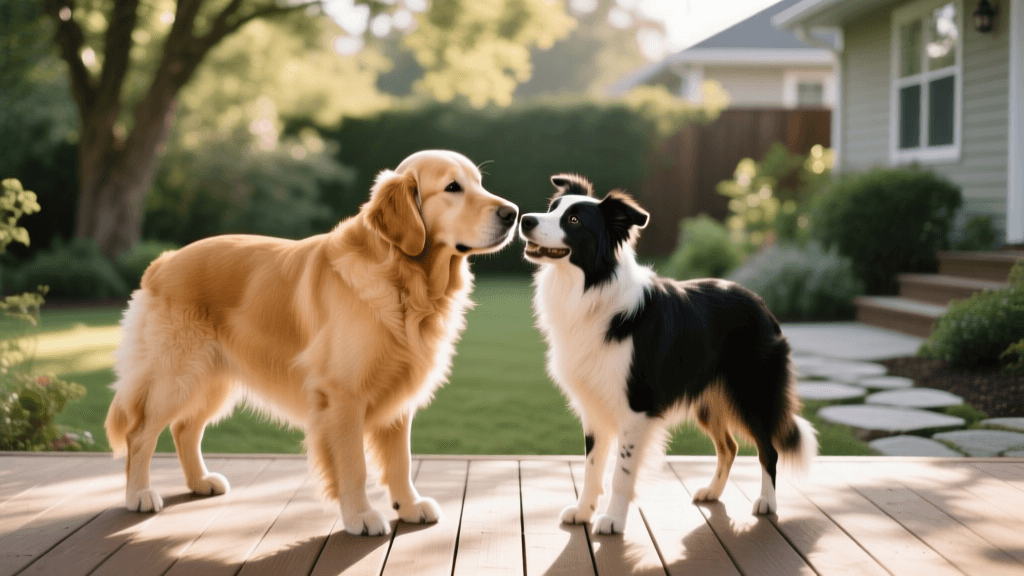
Bringing a second dog into your home is a monumental decision that profoundly alters the behavioral ecosystem of your household. While many well-meaning pet owners subscribe to the 'let them figure it out' philosophy, expert behavior analysis dictates a vastly different approach. Unstructured introductions frequently trigger territorial aggression, resource guarding, and chronic stress, leading to multi-dog household failure. By applying applied behavior analysis (ABA) principles, we can systematically desensitize dogs to one another, manage environmental thresholds, and build a foundation of coexistence. This guide explores the biomechanics of canine stress, a structured 30-day introduction protocol, and environmental management strategies to ensure long-term success.
Decoding Canine Stress Signals and Thresholds
Before initiating any introduction protocol, owners must become fluent in canine body language. The American Kennel Club emphasizes that dogs communicate primarily through subtle physical shifts long before a growl or snap occurs. Recognizing these 'calming signals' and stress indicators allows you to intervene before a dog crosses their behavioral threshold—the point at which the sympathetic nervous system overrides cognitive processing and triggers a fight-or-flight response.
- Whale Eye: When a dog turns its head away but keeps its eyes fixed on a stimulus, exposing the sclera (whites of the eyes), it indicates high anxiety and potential reactivity.
- Lip Licking and Yawning: When performed out of context (e.g., not after eating or waking up), these are classic displacement behaviors signaling internal conflict or stress.
- Piloerection: Commonly known as 'raised hackles,' this involuntary autonomic response indicates heightened arousal, which can manifest as fear, excitement, or aggression.
- Body Stiffening: A sudden freeze in movement, often accompanied by a closed mouth and fixed gaze, is a critical warning sign that a dog is preparing to react defensively.
Managing thresholds means keeping both dogs in a state of 'sub-threshold' arousal, where they are aware of each other but remain capable of taking treats and responding to basic cues.
The 30-Day Structured Introduction Protocol
Rushing introductions is the leading cause of behavioral fallout. A systematic, 30-day protocol ensures that positive associations are built through classical conditioning and operant learning. According to the ASPCA, gradual exposure in neutral territories is paramount for preventing territorial aggression.
Phase 1: Scent Swapping and Parallel Walking (Days 1-7)
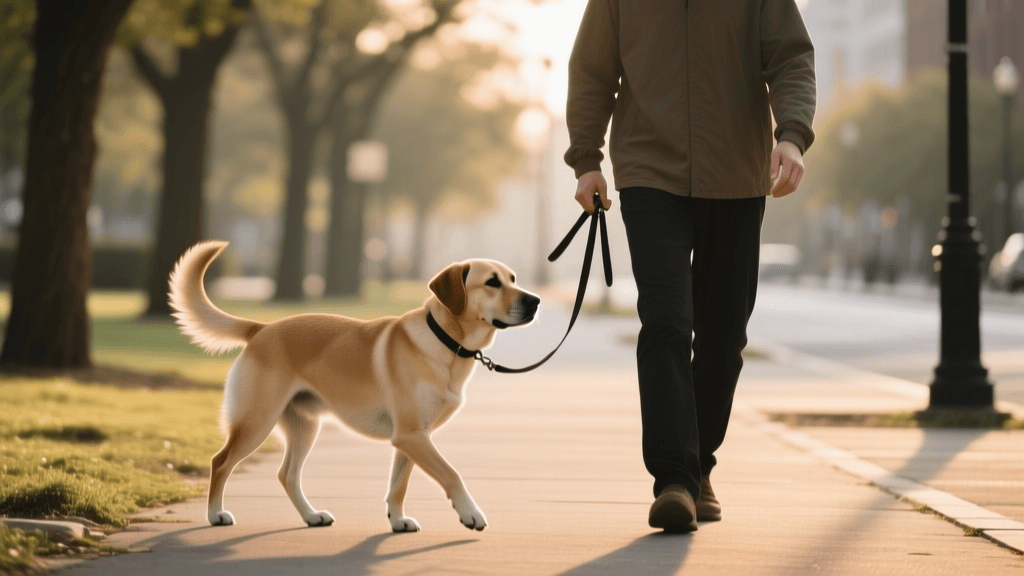
The first week focuses entirely on olfactory introduction and parallel movement without direct physical interaction. Swap bedding between the resident dog and the new dog to allow passive scent investigation. For physical exercise, engage in parallel walking in a neutral environment, such as a quiet park or an empty tennis court. Both dogs should be handled by separate adults using 6-foot leather or biothane leashes (avoid retractable leashes, which offer poor tension feedback). Maintain a distance of 15 to 20 feet between the dogs. If either dog exhibits stress signals, increase the distance immediately. Reward both dogs with high-value treats (e.g., boiled chicken or freeze-dried liver) every time they look at the other dog and then back at their handler, reinforcing disengagement.
Phase 2: Visual Access and Threshold Management (Days 8-14)
During the second week, introduce visual access within the home using physical barriers. A 36-inch tall, hardware-mounted baby gate is essential. Allow the dogs to see each other from opposite sides of the gate while engaging in high-value activities, such as chewing on frozen Kongs stuffed with peanut butter. This pairs the presence of the other dog with a positive, dopamine-releasing activity. Keep these sessions brief—no longer than 10 to 15 minutes—to prevent arousal levels from escalating. If either dog begins to stare, bark, or lunge at the gate, calmly lead them away, increasing the distance until they settle.
Phase 3: Supervised Co-Habitation (Days 15-30)
Only when both dogs show relaxed body language, loose wagging tails, and disinterest in the barrier should you allow on-leash meetings inside the home. Keep leashes attached but dragging (ensure collars or harnesses are secure to prevent tangling). Implement the 'two-second rule': allow the dogs to sniff each other for a maximum of two seconds, then cheerfully call them apart and reward them for coming to you. This prevents the buildup of social tension that often precedes a scuffle.
Decompression Walks and Crate Rotation
Living together 24/7 is overwhelming for newly introduced dogs. Incorporating 'decompression walks'—long, unstructured sniffaris using a 15-foot long line in a quiet, natural setting—allows dogs to process environmental stimuli and lower their cortisol levels. Furthermore, implement a strict crate rotation schedule. Dogs should have a designated safe space, such as a 42-inch wire crate covered with a breathable canvas, where they can retreat without being bothered. Rotating free-roam time ensures that both dogs get individual attention and prevents the development of spatial competition.
Resource Guarding: A Data-Driven Management Plan
Resource guarding is a natural, evolutionary survival behavior, but it is highly dangerous in a multi-dog home. The Humane Society notes that guarding can extend beyond food to include toys, sleeping locations, and even human attention. Proactive environmental management is vastly superior to attempting to punish or 'correct' guarding behavior after it occurs.
| Resource Type | Risk Level | Management Strategy | Estimated Cost |
|---|---|---|---|
| High-Value Chews (Bully sticks, raw bones) | High | Feed exclusively in separate crates or closed rooms. Pick up unfinished items immediately. | $5 - $15 per item |
| Food Bowls | Medium-High | Feed in separate zones. Use slow-feeder bowls to extend eating time and reduce frantic gulping. | $15 - $25 per bowl |
| Toys (Squeakers, tug ropes) | Medium | Implement a 'toy library' system. Only bring out specific toys during supervised, interactive play sessions. | $10 - $20 per toy |
| Human Affection (Petting, lap sitting) | Medium-High | Use the 'Say Please' protocol. Require a sit or down before offering affection to prevent competitive shoving. | $0 (Training time) |
| Sleeping Areas (Beds, couches) | High | Provide individual orthopedic beds in separate corners. Restrict couch access until a clear hierarchy and comfort level are established. | $40 - $80 per bed |
Essential Gear for Behavioral Success
Investing in the correct equipment is non-negotiable for maintaining safety during the introduction phase. Standard flat collars can cause tracheal damage if a dog lunges, making a well-fitted harness a critical tool.
- Front-Clip Harness: Products like the Kurgo Tru-Fit Smart Harness (approx. $25-$35) feature a front chest D-ring that safely redirects a dog's forward momentum sideways if they lunge, giving the handler mechanical advantage without causing pain.
- Biothane Long Lines: A 15-foot to 20-foot waterproof biothane long line ($20-$30) provides dogs with the freedom to sniff and decompress while maintaining a safety tether. Unlike nylon, biothane does not absorb odors or become heavy when wet.
- Hardware-Mounted Baby Gates: Avoid pressure-mounted gates, which can be knocked over by a determined 60-pound dog. Hardware-mounted gates with vertical bars (to prevent climbing) cost between $50 and $90 and are essential for safe visual introductions.
- Interactive Puzzle Toys: West Paw's Toppl or the classic Kong ($15-$20) are excellent for keeping dogs mentally engaged and stationary during gate introductions, shifting their focus from the other dog to the task of food extraction.
"Behavior modification is not about suppressing a dog's natural reactions; it is about changing their underlying emotional response to a trigger. In multi-dog introductions, patience and environmental management are your most powerful tools."
When to Call a Professional Behaviorist
While many dogs integrate smoothly using these protocols, some situations require the immediate intervention of a certified professional. If you observe hard staring, stiff-bodied stalking, injuries from scuffles, or if either dog stops eating or drinking due to stress, halt the introduction process immediately. Seek out a professional certified by the International Association of Animal Behavior Consultants (IAABC) or a Veterinary Behaviorist (DACVB). These experts can conduct functional behavior assessments, identify specific triggers, and, if necessary, prescribe psychotropic medications to lower a dog's baseline anxiety, making behavioral modification possible. Building a peaceful multi-dog household is a marathon, not a sprint; prioritize safety, observe the data your dogs provide through their body language, and adjust your timeline accordingly.
hannah-wickes
All our authors care for dogs every day — read more of their work on the authors page.