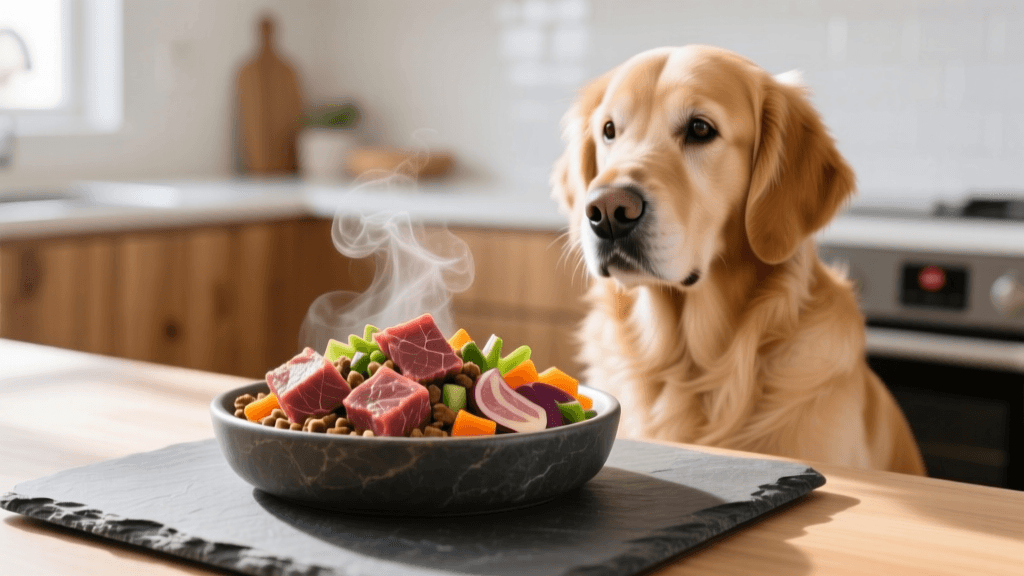
Is HPP Raw Dog Food Safe? Complete Nutrition Guide 2026
Discover the truth about HPP raw dog food in 2026. Learn how high-pressure processing affects nutrition, safety, and pathogen control for your dog.
The Evolution of Raw Diets: Understanding HPP in 2026
As we navigate the pet nutrition landscape in 2026, the demand for raw, fresh, and biologically appropriate diets for dogs continues to surge. However, with the rise in raw feeding comes an increased focus on food safety, particularly concerning foodborne pathogens like Salmonella, Listeria, and E. coli. To bridge the gap between the nutritional benefits of raw meat and the safety requirements of modern households, the pet food industry has widely adopted High-Pressure Processing (HPP). But what exactly is HPP, and does it compromise the raw integrity of your dog's food?
This comprehensive guide explores the science, safety, and nutritional impact of HPP raw dog food, providing you with actionable insights to make the best dietary choices for your canine companion this year.
What is High-Pressure Processing (HPP)?
High-Pressure Processing, sometimes referred to as cold pasteurization, is a non-thermal food preservation technique. Instead of using heat—which can destroy vital nutrients, enzymes, and the natural structure of proteins—HPP uses extreme water pressure to neutralize harmful bacteria.
During the HPP process, packaged raw dog food is placed into a specialized water chamber. The chamber is then pressurized to approximately 87,000 pounds per square inch (PSI). To put this into perspective, this is roughly six times the pressure found at the deepest part of the ocean. This immense isostatic pressure disrupts the cellular membranes of pathogenic bacteria, effectively rendering them inactive without raising the temperature of the food. The result is a raw product that maintains its physical and nutritional characteristics while achieving a massive reduction in microbial load.
The Nutritional Impact: Does HPP Destroy Nutrients?
One of the most common concerns among raw feeders in 2026 is whether the extreme pressure of HPP damages the nutritional profile of the food. The short answer is: minimally, especially when compared to thermal processing methods like extrusion (kibble) or canning.
Proteins and Amino Acids
Proteins are largely unaffected by HPP. While extreme pressure can cause some minor denaturation of complex protein structures, the amino acid profile—the actual building blocks your dog needs for muscle maintenance and immune function—remains entirely intact. In fact, some 2026 veterinary nutrition studies suggest that the slight structural change in proteins may actually make them marginally easier for dogs with sensitive digestion to break down.
Vitamins, Minerals, and Enzymes
Because HPP is a cold process, heat-sensitive vitamins such as Vitamin C, Vitamin B-complex, and certain antioxidants are preserved at rates exceeding 95%. Naturally occurring digestive enzymes present in raw organs and muscle meats also largely survive the HPP process, supporting your dog's natural gut microbiome and nutrient absorption.
Pathogen Control and Food Safety Standards
The primary driver for HPP in the commercial raw pet food sector is safety. The U.S. Food and Drug Administration (FDA) maintains strict guidelines regarding pet food safety, noting that raw diets carry an inherent risk of bacterial contamination that can affect both pets and their human handlers. HPP provides a reliable '5-log reduction' in targeted pathogens, meaning it eliminates 99.999% of bacteria such as Salmonella and Listeria monocytogenes.
For households with immunocompromised individuals, young children, or elderly family members, HPP-treated raw food offers a significantly safer alternative to non-HPP, backyard-ground raw diets while still delivering the benefits of whole, unadulterated ingredients.
HPP vs. Non-HPP vs. Gently Cooked: A 2026 Comparison
To help you decide which fresh feeding approach is right for your dog, we have broken down the core differences between the leading alternative diet categories available in 2026.
| Feature | HPP Raw Diets | Non-HPP Raw Diets | Gently Cooked Fresh |
|---|---|---|---|
| Processing Method | Cold water pressure (87k PSI) | None (Raw, unprocessed) | Low-heat thermal cooking |
| Pathogen Risk | Extremely Low | Moderate to High | Extremely Low |
| Enzyme Retention | High (approx. 90-95%) | Maximum (100%) | Low (destroyed by heat) |
| Shelf Life (Frozen) | Up to 12-18 months | Up to 6-9 months | Up to 12 months |
| Avg. Cost per lb (2026) | $6.00 - $11.00 | $4.50 - $8.00 | $7.00 - $13.00 |
Leading HPP Raw Dog Food Brands in 2026
If you are looking to incorporate HPP raw food into your dog's diet, several premium brands have perfected their formulations and supply chains this year.
1. Stella & Chewy's (Freeze-Dried & Frozen)
Stella & Chewy's remains a titan in the HPP space. Their patented 'Stay Raw' process utilizes HPP before the food is either flash-frozen or freeze-dried. In 2026, their 'Raw Coated Kibble' and 'Butcher's Blend' lines continue to be top sellers, offering a convenient entry point for owners transitioning from traditional dry diets. Expect to pay around $9 to $12 per pound for their freeze-dried patties.
2. Primal Pet Foods (Frozen Formulas)
Primal utilizes HPP exclusively on their frozen raw nuggets and patties, ensuring that the moisture content and natural fats of the grass-fed meats and organic produce are perfectly preserved. Their 2026 sourcing transparency allows owners to trace the exact farm origins of the proteins used in their batches. Pricing averages $6 to $8 per pound for their standard frozen 14oz bags.
3. Northwest Naturals (Freeze-Dried & Frozen)
Known for their single-source protein options and inclusion of raw, ground bone for calcium, Northwest Naturals applies HPP to both their frozen and freeze-dried lines. They are an excellent choice for dogs with poultry or beef allergies, offering unique proteins like rabbit and venison that have undergone rigorous HPP safety checks.
Veterinary Perspectives and Global Guidelines
While the World Small Animal Veterinary Association (WSAVA) emphasizes the importance of feeding diets that meet rigorous nutritional adequacy standards and undergo strict quality control, the veterinary community's stance on raw feeding has nuanced over the years. The primary veterinary objection to raw diets has always been the risk of zoonotic disease transmission (bacteria passing from the dog's saliva or feces to humans).
By utilizing HPP, commercial raw brands directly address this primary veterinary concern. Many holistic and integrative veterinarians in 2026 now recommend HPP-treated commercial raw diets over homemade, non-tested raw diets, as the commercial options are guaranteed to meet AAFCO (Association of American Feed Control Officials) nutritional profiles while mitigating the bacterial risks that traditional raw diets pose.
Safe Handling and Transitioning Your Dog to HPP Raw
Even though HPP drastically reduces the risk of pathogens, proper food handling and a structured transition are vital for your dog's gastrointestinal health.
Safe Thawing and Storage
- Never microwave HPP raw food: Microwaving will cook the food, destroying the very enzymes and nutrients you are paying a premium for, and can create dangerous hot spots that burn your dog's mouth.
- Thaw in the refrigerator: Move the next day's portion from the freezer to the fridge 12 to 24 hours in advance. Place it in a sealed glass or BPA-free container to prevent cross-contamination.
- Use within 3 days: Once thawed, HPP raw food should be consumed within 72 hours. Keep it stored on the bottom shelf of your refrigerator.
The 10-Day Transition Protocol
Dogs transitioning from kibble to raw require a gradual shift to allow their stomach acid to adjust to the new diet's digestibility and moisture content.
- Days 1-3: 75% current food, 25% HPP raw food.
- Days 4-6: 50% current food, 50% HPP raw food.
- Days 7-9: 25% current food, 75% HPP raw food.
- Day 10: 100% HPP raw food.
Note: If your dog experiences loose stools during the transition, pause the progression for an extra day at the current ratio and consider adding a high-quality canine probiotic or a spoonful of pure canned pumpkin (not pie filling) to firm up their digestion.
Final Thoughts on HPP Raw Diets
High-Pressure Processing represents the perfect intersection of ancestral canine nutrition and modern food safety science. In 2026, HPP raw diets offer dog owners the peace of mind that comes with rigorous pathogen control, without sacrificing the bioavailable nutrients, natural enzymes, and whole-food integrity that make raw feeding so beneficial. By choosing reputable brands and following safe handling practices, you can confidently provide your dog with a thriving, species-appropriate diet.
aaron-whyte
All our authors care for dogs every day — read more of their work on the authors page.