How To Travel By Car With Dog Safely And Comfortably
Learn about how to travel by car with dog safely and comfortably with expert tips and data-backed advice.
Pre-Trip Preparation: Health, Documentation, and Planning
Before turning the key, ensure your dog is medically ready. Schedule a veterinary check-up at least 10–14 days before departure—especially important if crossing state lines or international borders. The American Veterinary Medical Association (AVMA) recommends verifying rabies vaccination status is current, as many jurisdictions require proof dated within the last 12 months (AVMA, 2023). For interstate travel in the U.S., most states mandate a Certificate of Veterinary Inspection (CVI), often valid for only 30 days from issuance. If heading to Canada, dogs over eight months old must have a rabies certificate signed by a licensed veterinarian—and microchipping is strongly advised, though not legally required for entry.
Map your route with pet-friendly stops in mind. Use apps like BringFido or the AAA Travel Guides, which list over 50,000 dog-welcoming hotels, restaurants, and parks nationwide. Plan rest breaks every two hours—or every 120 minutes—per the American Kennel Club’s (AKC) canine travel guidelines. This interval helps prevent urinary tract discomfort, especially in smaller breeds or senior dogs prone to incontinence. For trips exceeding four hours, build in at least one 20-minute off-leash break at secure, fenced areas such as New York’s Hudson River Park Dog Runs or San Francisco’s Fort Funston Off-Leash Area.
Car Safety: Restraints, Seating, and Climate Control
Unrestrained dogs pose serious risks—not just to themselves, but to drivers and other passengers. A 30-pound dog traveling at 30 mph exerts roughly 900 pounds of force in a sudden stop, according to crash-test data from the Center for Pet Safety (2022). That’s equivalent to a small refrigerator launching forward. Always use a crash-tested harness or carrier. The Sleepypod Clickit Terrain Harness and the Gunner Kennels G1 Auto Carrier are among the few products certified by the Center for Pet Safety after rigorous 30-mph frontal-impact testing.
Choosing the Right Restraint System
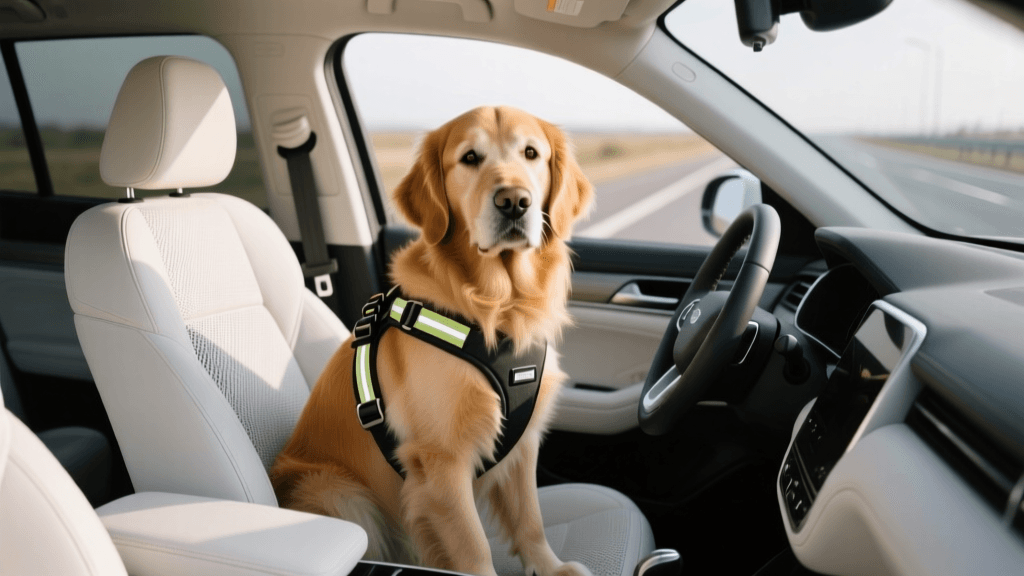
Select based on your dog’s size, temperament, and vehicle type. Small dogs (<12 kg) do well in secured carriers placed on the back seat floor or in the cargo area behind a barrier. Medium to large dogs benefit from seat-belt-compatible harnesses anchored to LATCH points or vehicle seat belts. Never tether a dog to a headrest or allow them to ride in the front passenger seat—airbag deployment can cause fatal injury.
Avoid mesh car barriers unless independently crash-tested; many fail under simulated impact conditions. Instead, opt for rigid metal or polymer dividers like the Vastar Adjustable Car Barrier, rated for dogs up to 100 pounds. Ensure installation follows manufacturer torque specifications—loose bolts reduce structural integrity by up to 40% in side-impact scenarios.
Comfort Essentials: Temperature, Hydration, and Surface Safety
Canine thermoregulation differs significantly from humans: dogs cool primarily through panting and paw pads, not sweat glands. Never leave your dog in a parked car—even with windows cracked. At an outside temperature of 22°C (72°F), interior cabin temperatures can climb to 32°C (90°F) in under 10 minutes (ASPCA, 2021). In Phoenix, Arizona, where summer highs exceed 43°C (110°F), surface temperatures inside vehicles routinely surpass 65°C (150°F) within five minutes.
Use a digital thermometer with remote sensor capability—like the ThermoWorks DOT Thermometer—to monitor cabin and crate temperatures continuously. Maintain interior climate between 18–22°C (65–72°F) using recirculated AC or shaded parking. Provide fresh water every 60–90 minutes using spill-proof bowls such as the Kurgo Wander Bowl (holds 1.2 liters) or the collapsible Outward Hound Ripstop Bowl (1.9L capacity).
Surface Considerations for Paws and Joints
Hot asphalt can burn paw pads at temperatures above 52°C (125°F)—a threshold reached when ambient air hits just 32°C (90°F). Test pavement with your bare hand for 7 seconds: if too hot for you, it’s unsafe for your dog. Carry paw balm (e.g., Musher’s Secret) and lightweight booties like Ruffwear Grip Trex for extended walks on gravel, salted roads, or rough terrain. For senior dogs or those with arthritis, add orthopedic support: the Big Barker 7-inch memory foam bed reduces pressure on hips and elbows during long drives and fits securely in SUV cargo areas measuring ≥102 cm × 76 cm.
On-the-Road Routine: Feeding, Bathroom Breaks, and Behavioral Cues
Adjust feeding schedules to avoid motion sickness and gastric distress. Feed your dog no later than four hours before departure, then offer only small amounts of water en route. Most dogs tolerate travel better on a light stomach—especially brachycephalic breeds like Bulldogs and Pugs, who experience higher rates of nausea due to compromised airways.
Stick to a predictable bathroom rhythm. Younger dogs may need relief every 45–60 minutes; adults typically manage 2–3 hours between stops. Use enzymatic cleaners like Nature’s Miracle Advanced Stain & Odor Remover for any accidents—its bio-enzymatic formula breaks down uric acid crystals that attract repeat marking.
- Stop every 120 minutes for leash walks lasting ≥10 minutes
- Offer water within 2 minutes of exiting the vehicle
- Allow sniff exploration for ≥3 minutes to reduce stress-induced cortisol
- Re-enter vehicle only after full bladder/bowel evacuation
- Log each stop in a shared digital journal (e.g., Google Sheets) to identify patterns over multiple trips
Packing List: Verified Gear and Proven Supplies
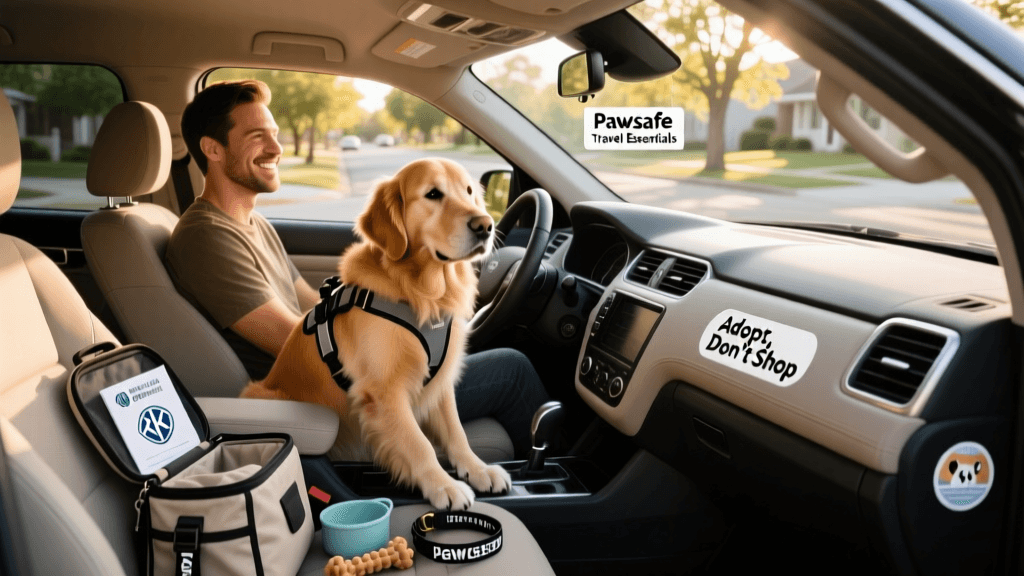
Build a dedicated travel kit—not just for emergencies, but daily wellness. Include:
- Vaccination records and printed CVIs (minimum two copies)
- Medication log with dosing times and expiration dates
- First-aid supplies: gauze pads (10 × 10 cm), adhesive tape, antiseptic wipes, tweezers, and styptic powder
- Dog-specific sunscreen (e.g., Epi-Pet Sun Protector Spray SPF 15) for pink-nosed or thin-coated breeds
- Portable water filter (Sawyer Mini with 0.1-micron pore size) for trailside refills
Store everything in a waterproof, labeled duffel—preferably one with exterior pockets for quick access. Keep leashes, waste bags, and treats in door-side organizers. Avoid overpacking: the average dog travel kit weighs 4.2 kg when fully stocked, yet occupies less than 0.03 m³ of space in most midsize sedans.
“The single most overlooked factor in safe dog travel isn’t gear—it’s observation. Watch for subtle signs: excessive lip licking, yawning, tucked tail, or avoidance of eye contact. These indicate rising anxiety or physical discomfort long before panting or whining appear.” — Dr. Sarah Wooten, DVM, Colorado State University Veterinary Teaching Hospital, 2022
Post-Trip Recovery and Veterinary Follow-Up
After arrival, allow 24–48 hours of low-stimulation decompression. Offer quiet time in a familiar crate or room, maintain regular feeding and walking schedules, and monitor for delayed symptoms: lethargy, vomiting, diarrhea, or reluctance to jump or climb stairs. These could signal motion-sickness-related gastrointestinal upset or musculoskeletal strain from prolonged sitting.
Schedule a post-travel vet visit if your dog traveled more than 8 hours total or crossed state lines—particularly into regions with endemic diseases like Lyme (Northeastern U.S.), heartworm (Southeastern U.S.), or canine influenza (Chicago metro area). The Cornell University College of Veterinary Medicine reports a 17% increase in tick-borne illness diagnoses among dogs returning from multi-state road trips between May and October.
Update microchip registration details immediately upon returning home—even if unchanged—to ensure contact information remains accurate in national databases like the American Animal Hospital Association’s (AAHA) Universal Pet Microchip Lookup Tool. Roughly 32% of lost dogs with outdated microchip data remain unreunited with owners (ASPCA, 2021).
hannah-wickes
All our authors care for dogs every day — read more of their work on the authors page.