Holistic Nosework Training For Leash Reactive Dogs 2026
Discover how holistic nosework training and natural adaptogens can transform leash reactivity in dogs. A comprehensive 2026 guide for force-free owners.
The Paradigm Shift in 2026: Moving Beyond Traditional Obedience
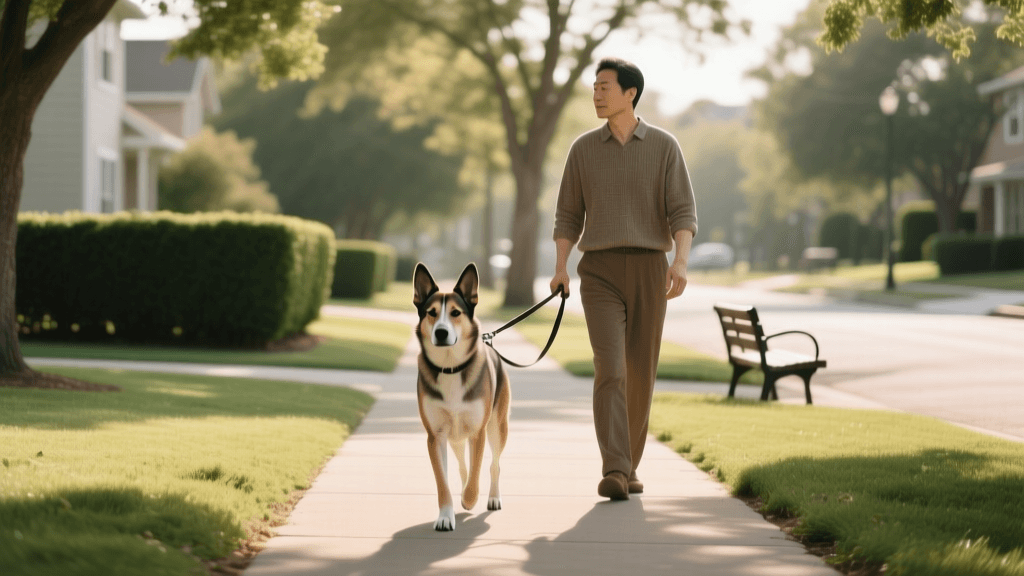
Leash reactivity is one of the most frustrating and emotionally taxing behavioral challenges a dog owner can face. For decades, the standard approach to a dog that lunges, barks, or freezes at the sight of other dogs or strangers relied heavily on corrective obedience and desensitization protocols. However, in 2026, the canine behavioral science community has overwhelmingly shifted toward natural and holistic approaches. Modern force-free trainers and veterinary behaviorists now recognize that reactivity is rarely a disobedience issue; rather, it is an emotional regulation deficit driven by an overactive sympathetic nervous system.
To address the root cause of reactivity, holistic trainers are turning to olfactory enrichment—specifically, structured nosework. By engaging a dog's primary sense, we can bypass the panic response and naturally engage the parasympathetic nervous system. When paired with holistic calming supplements and mindful handling, nosework becomes a powerful behavioral conditioning tool that transforms reactive dogs into confident, grounded companions.
The Neurology of Sniffing: Why Nosework Heals
To understand why scent work is so effective for reactive dogs, we must look at canine neurology. A dog's olfactory bulb is proportionally 40 times larger than a human's, and the act of sniffing requires intense cognitive processing. According to the American Kennel Club (AKC), nosework is not just a physical activity; it is a profound mental workout that naturally tires a dog out while simultaneously lowering their heart rate.
When a reactive dog spots a trigger (like another dog), their amygdala hijacks the brain, flooding their system with cortisol and adrenaline. This is the "fight or flight" response. However, when you cue a "search" behavior and the dog puts their nose to the ground, the brain is forced to shift gears. Deep, rhythmic sniffing stimulates the vagus nerve, which activates the parasympathetic nervous system—the body's "rest and digest" mode. This natural physiological shift lowers the dog's heart rate and reduces the intensity of the emotional reaction, making it significantly easier for the dog to process and move past environmental triggers without exploding.
Integrating Holistic Calmatives: Adaptogens and Nutrition
While nosework provides the behavioral framework for healing, holistic nutrition and herbal adaptogens provide the biological support. In 2026, the integration of the gut-brain axis in canine behavioral health is a major focus for holistic veterinarians. Chronic stress from reactivity depletes essential neurotransmitters, making it difficult for a dog to learn new coping mechanisms. By introducing natural adaptogens, we can help the dog's body manage stress more efficiently without the heavy side effects of traditional pharmaceuticals.
Experts at the Tufts University Cummings Veterinary Medical Center continually emphasize the importance of evidence-based nutritional support for behavioral conditions. Adaptogens like Ashwagandha and Rhodiola, alongside amino acids like L-Theanine, help modulate cortisol levels. When given 45 minutes before a training session, these natural compounds take the "edge" off the dog's anxiety, creating a wider window of tolerance for learning.
Comparison: Holistic Training Support Matrix
| Supplement Type | Active Ingredients | Onset Time | Best Use Case in Training | Holistic Rating |
|---|---|---|---|---|
| Amino Acid Complex | L-Theanine, Tryptophan | 30 - 45 Minutes | Pre-training focus and mild anxiety reduction | Excellent |
| Herbal Adaptogens | Ashwagandha, Chamomile | 2 - 4 Weeks (Cumulative) | Long-term cortisol regulation and baseline calming | Very Good |
| Pheromone Therapy | Dog Appeasing Pheromone (DAP) | Immediate (Continuous) | Creating a safe baseline in the home training environment | Good |
| Full-Spectrum Hemp | CBD, CBG, Terpenes | 45 - 60 Minutes | Acute stress relief during outdoor exposure sessions | Excellent |
Step-by-Step Holistic Nosework Protocol
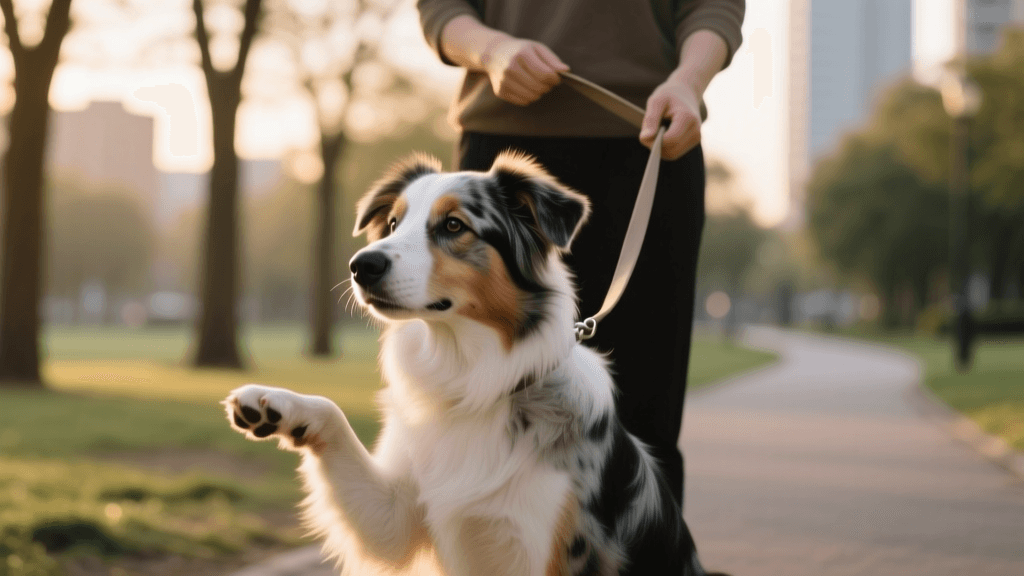
Implementing nosework for a reactive dog requires a careful, force-free progression. The goal is never to push the dog over their threshold, but to build a deep, emotional association between the scent and feelings of safety and success. The Fear Free Pets organization highly recommends utilizing scent games to build confidence and reduce fear-based behaviors in shelter and reactive dogs.
Phase 1: Scent Imprinting in a Zero-Stress Zone
Before you ever attach a leash or step outside, your dog must learn that a specific scent equals a high-value reward. We use natural essential oils approved for canine nosework: Sweet Birch, Anise, and Clove.
- The Setup: Place a single drop of Sweet Birch essential oil on a cotton swab and hide it inside a vented metal tin. Place the tin in a cardboard box in your living room.
- The Action: Allow your dog to investigate the box. The moment their nose touches the tin or they linger near the scent, mark the behavior with a calm "yes" and deliver a high-value reward (like freeze-dried beef liver or bone broth) directly at the source of the scent.
- The Goal: Repeat this until the dog eagerly drives toward the scent, ignoring environmental distractions. This builds a dopamine-driven association with the odor.
Phase 2: Building the 'Search' Cue Indoors
Once the dog understands the scent, we begin hiding the tin in various locations around the house—under chairs, behind doors, and on low shelves.
- Introduce the verbal cue "Search" right before releasing the dog to find the tin.
- Keep the environment quiet and predictable. For a reactive dog, indoor success builds the neural pathways required for outdoor confidence.
- Observe your dog's body language. Look for "calming signals" such as relaxed ears, a softly wagging tail, and slow, deliberate movements. These indicate the parasympathetic nervous system is engaged.
Phase 3: The Outdoor 'Sniffari' and Trigger Management
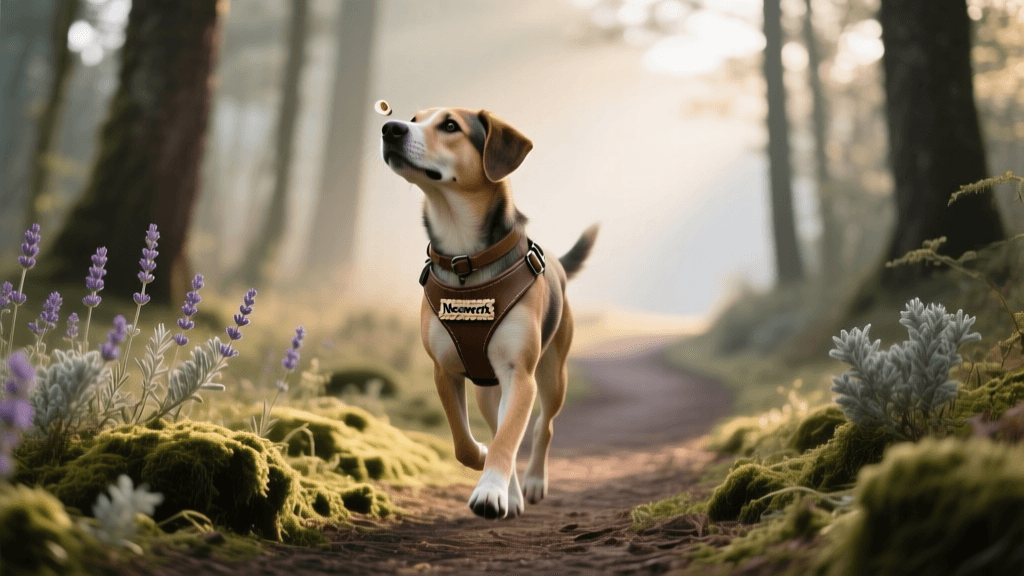
This is where the magic happens for leash reactivity. Transition to a secure, low-traffic outdoor area, such as a private yard or a quiet park at dawn.
- Equipment: Use a well-fitted, Y-front harness and a 15-foot Biothane long line. This gives the dog the freedom to move and sniff without the pressure of a short leash, which can inadvertently trigger frustration and reactivity.
- The Execution: Hide the scent tin in the grass or on a park bench. Give your "Search" cue.
- Trigger Management: If a trigger (like a distant dog) appears while your dog is searching, do not pull the leash or yell. Simply stand still and allow your dog to finish the search. The intense focus on the olfactory task will often act as a natural blinder, helping the dog process the distant trigger without reacting. Once they find the scent and earn their reward, calmly toss a handful of treats into the grass (a "treat scatter") to keep their nose down and heart rate low as you create distance from the trigger.
Essential Gear for the Holistic Handler
Success in holistic reactive dog training relies heavily on the right equipment. In 2026, the top recommendations for force-free handlers include:
- Harness: The Ruffwear Flagline or Rabbitgoo No-Pull Harness. Both offer a front-clip option for gentle steering and a back-clip for long-line sniffaris, ensuring no pressure is placed on the dog's trachea or thyroid gland.
- Long Line: A 15-to-30-foot Biothane long line. Biothane is waterproof, easy to clean, and glides through the grass, preventing the tangles and friction burns associated with nylon or cotton lines.
- Scent Kits: Purchase pre-made, dog-safe nosework kits that include Birch, Anise, and Clove oils properly diluted in carrier oils, alongside vented metal tins to prevent the dog from ingesting concentrated essential oils.
Final Thoughts on Natural Behavioral Conditioning
Healing leash reactivity is not about suppressing a dog's natural instincts through intimidation or correction; it is about providing them with a natural, species-appropriate outlet to process their environment. By combining the neurological benefits of structured nosework with the biological support of holistic adaptogens, you are treating the whole dog. In 2026, this comprehensive, force-free approach remains the gold standard for transforming fearful, reactive dogs into confident, joyful companions who can navigate the world with their noses to the ground and their minds at ease.
hannah-wickes
All our authors care for dogs every day — read more of their work on the authors page.