The Gut-Brain Axis in Dogs: How Diet Influences Canine Anxiety
Discover how the canine gut-brain axis influences anxiety and behavior. Learn actionable nutritional strategies to calm your dog and improve their mood.
The Hidden Link Between Your Dog’s Belly and Brain
When we try to understand our dogs, we often look to their environment, their breed instincts, or their training history to explain anxious or reactive behaviors. However, canine psychology is deeply rooted in physiology. If your dog suffers from chronic anxiety, noise phobias, or unexplained reactivity, the root cause might not be in their mind—it might be in their microbiome. This is the fascinating intersection of canine behavioral psychology and nutritional science, centered around the gut-brain axis (GBA).
The gut-brain axis is a complex, bidirectional communication network that links the enteric nervous system (the gut) with the central nervous system (the brain). According to the Merck Veterinary Manual, the digestive system is not just for processing food; it is a massive sensory organ that directly influences mood, stress responses, and cognitive function. By understanding this biological superhighway, dog owners can unlock powerful nutritional strategies to support their pet's mental well-being.
Decoding the Canine Gut-Brain Axis (GBA)
The primary physical connection between your dog’s gut and brain is the vagus nerve. This cranial nerve acts as a two-way information highway. When your dog experiences psychological stress—such as a thunderstorm or a visit to the vet—the brain sends signals down the vagus nerve, altering gut motility and causing the infamous "stress colitis" or diarrhea.
Conversely, the gut sends signals back to the brain. In fact, roughly 90% of the body’s serotonin, the primary neurotransmitter responsible for regulating mood and happiness, is produced in the gastrointestinal tract, not the brain. When a dog’s gut microbiome falls out of balance (a state known as dysbiosis), the production of these vital neurotransmitters is disrupted. Harmful bacteria can produce neurotoxins that trigger systemic inflammation, which crosses the blood-brain barrier and manifests as behavioral issues like hypervigilance, separation anxiety, and aggression.
Reading the Signs: Body Language of a Stressed Gut
Understanding your dog requires keen observation of their body language. While some signs of anxiety are obvious, others are subtle indicators that your dog's gastrointestinal tract is in distress, which in turn is fueling their psychological unease. Look for these overlapping behavioral and physical cues:
- Displacement Behaviors: Sudden, out-of-context scratching, yawning, or lip licking when faced with a mild stressor. This indicates a spike in cortisol that is simultaneously upsetting the stomach.
- Hypervigilance and Pacing: An inability to settle, often accompanied by a tense posture and "whale eye" (showing the whites of the eyes). Inflammatory markers from a leaky gut can prevent the brain from entering a restful parasympathetic state.
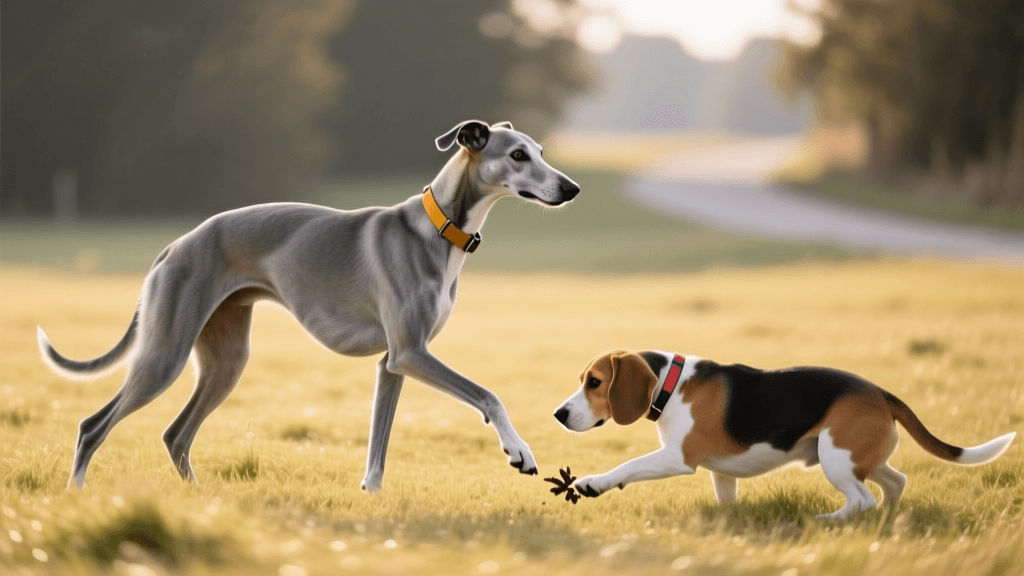
- Coprophagia (Stool Eating):strong> While often viewed as a purely behavioral quirk, eating feces can be a desperate instinctual attempt to replenish missing digestive enzymes and beneficial bacteria lacking in their own compromised gut.
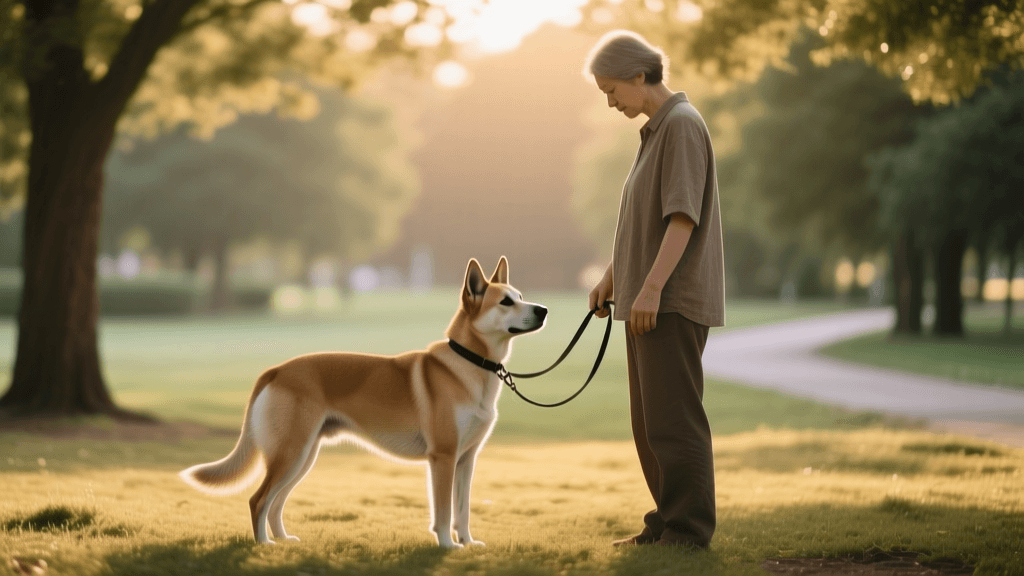
- Sudden Reactivity: A dog that is normally tolerant but suddenly snaps or barks at the end of a leash may be experiencing visceral pain or severe bloating, lowering their threshold for environmental stressors.
- Stress Shedding and Dull Coat: Chronic gut inflammation prevents the absorption of essential fatty acids, leading to a dull coat and excessive shedding, which correlates with long-term psychological stress.
Nutritional Deep Dive: Feeding the Anxious Brain
To alter your dog's psychological state through nutrition, we must target the microbiome and reduce neuro-inflammation. Research highlighted by the American Kennel Club (AKC) indicates that targeted supplementation can drastically alter a dog's response to stressors. Here are the core nutritional pillars for supporting the canine gut-brain axis:
1. Psychobiotics (Targeted Probiotics)
Not all probiotics are created equal when it comes to behavior. "Psychobiotics" are specific strains of bacteria that yield neurological benefits. The most heavily researched strain in veterinary medicine is Bifidobacterium longum (specifically strain BL999). Studies have shown that dogs supplemented with BL999 exhibit reduced barking, lower cortisol levels, and decreased anxiety-related pacing compared to placebo groups.
2. Prebiotic Fibers
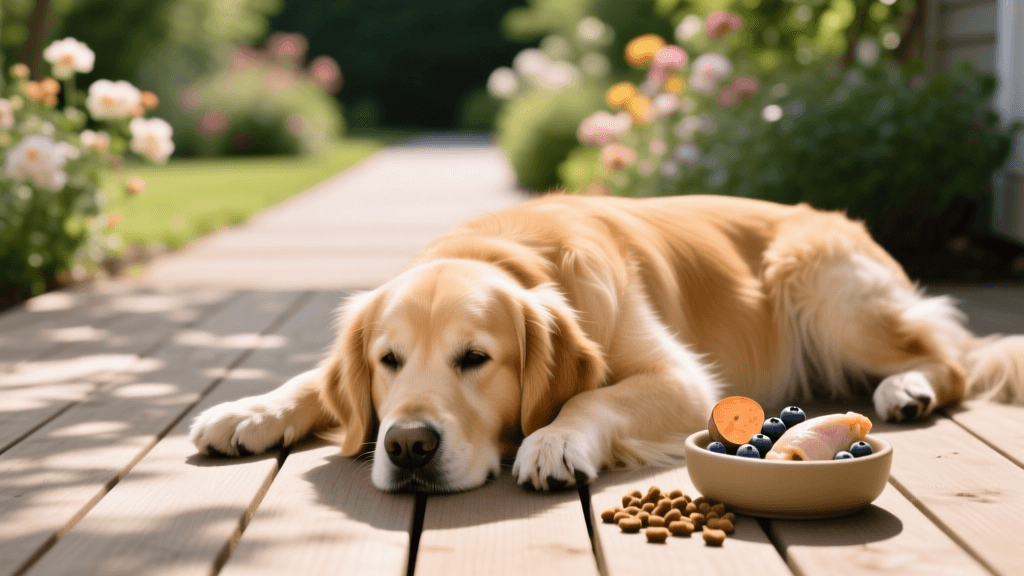
Probiotics need food to survive and colonize the gut. Prebiotics are non-digestible fibers that feed beneficial bacteria. Fructooligosaccharides (FOS) and galactooligosaccharides (GOS) are highly effective. Natural sources include chicory root, Jerusalem artichoke, and pure canned pumpkin (not pie filling). These fibers ferment in the colon to produce short-chain fatty acids (SCFAs) like butyrate, which strengthen the gut lining and prevent neurotoxins from leaking into the bloodstream.
3. Omega-3 Fatty Acids (EPA and DHA)
Neuro-inflammation is a primary driver of canine anxiety and cognitive decline. Omega-3 fatty acids, specifically EPA (eicosapentaenoic acid) and DHA (docosahexaenoic acid) derived from wild-caught fish oil or microalgae, cross the blood-brain barrier to reduce inflammation and support cellular communication in the brain.
4. L-Tryptophan and Alpha-Casozepine
L-Tryptophan is an essential amino acid and a direct precursor to serotonin. Alpha-casozepine is a bioactive peptide derived from milk protein that mimics the calming effects of GABA (a neurotransmitter that slows brain activity). Both are highly effective when used in conjunction with gut-supporting diets.
Key Nutrients for the Canine Gut-Brain Axis
| Nutrient / Compound | Primary Psychological Benefit | Best Natural / Supplement Sources | Targeted Action / Dosage Note |
|---|---|---|---|
| Bifidobacterium longum (BL999) | Reduces anxiety, barking, and pacing | Purina Pro Plan Calming Care, specific vet formulations | Administer daily; takes 4-6 weeks to see behavioral changes. |
| L-Tryptophan | Boosts serotonin production, improves sleep | Turkey, chicken, pumpkin seeds, calming chews | Best absorbed on an empty stomach or with a small carb snack. |
| EPA & DHA (Omega-3s) | Lowers neuro-inflammation, aids focus | Wild Alaskan salmon oil, sardines, krill oil | Aim for 50-100mg per kg of body weight for therapeutic anxiety relief. |
| Fructooligosaccharides (FOS) | Produces calming short-chain fatty acids (SCFAs) | Chicory root, bananas, blueberries | Start with 1/2 tsp for small dogs to avoid initial gas/bloating. |
| Alpha-Casozepine | Binds to GABA receptors, induces relaxation | Zylkene (milk protein derivative supplement) | Highly effective for acute stress events (vet visits, fireworks). |
A 30-Day Actionable Nutrition and Behavior Plan
Understanding the science is only half the battle; implementing it requires a structured approach. Veterinary behaviorists and organizations like the American Veterinary Medical Association (AVMA) emphasize that dietary changes for behavioral modification must be gradual and consistent. Here is a practical, 30-day protocol:
Week 1: Gut Soothing and Prebiotic Introduction
Action: Remove highly processed, inflammatory treats. Introduce a natural prebiotic like plain, unsweetened kefir (1 tablespoon per 20 lbs of body weight) or pure canned pumpkin.
Cost: $5 - $10.
Timing: Add to the morning meal. Monitor stool consistency; if stools become too soft, reduce the dose by half.
Week 2: Omega-3 Loading
Action: Introduce a high-quality, triglyceride-form fish oil. Pump it directly onto their kibble or raw diet.
Cost: $25 - $40 for a high-quality pump bottle.
Timing: Administer with the fattiest meal of the day to maximize absorption of fat-soluble nutrients. Store the oil in the refrigerator to prevent oxidation.
Weeks 3 & 4: Targeted Psychobiotic Therapy
Action: Begin a daily supplement containing Bifidobacterium longum BL999 or a multi-strain canine probiotic with at least 5 billion CFUs.
Cost: $45 - $65 per month.
Timing: Crucial: If your dog is on antibiotics, you must administer the probiotic at least 2 to 3 hours apart from the medication, or the antibiotic will destroy the beneficial bacteria before they can colonize. It typically takes 4 to 6 weeks of daily supplementation for the gut-brain axis to show noticeable behavioral improvements.
Integrating Behavioral Training with Nutritional Therapy
Nutrition is not a replacement for behavioral training; it is a catalyst. A dog with an inflamed gut and depleted serotonin is biologically incapable of learning new coping mechanisms. Their "fight or flight" sympathetic nervous system is stuck in the 'on' position.
By utilizing the gut-brain nutritional protocol outlined above, you lower your dog's baseline anxiety. Once their physiological threshold for stress is raised, counter-conditioning and desensitization training become exponentially more effective. For example, if your dog is reactive to other dogs on a leash, starting them on a BL999 probiotic and Omega-3 regimen for four weeks before beginning intensive exposure training will result in faster learning, better retention, and a happier, more relaxed companion.
Conclusion
Understanding your dog goes far beyond reading their tail wags and ear positions. It requires a holistic view of their biology. The gut-brain axis proves that the food in your dog's bowl directly dictates the thoughts in their head. By addressing dysbiosis, reducing neuro-inflammation, and providing targeted psychobiotics, you are not just improving their digestion—you are fundamentally altering their psychological landscape. Empower yourself with nutritional science, and give your anxious dog the biological foundation they need to feel safe, calm, and secure in their world.
jonas-cole
All our authors care for dogs every day — read more of their work on the authors page.