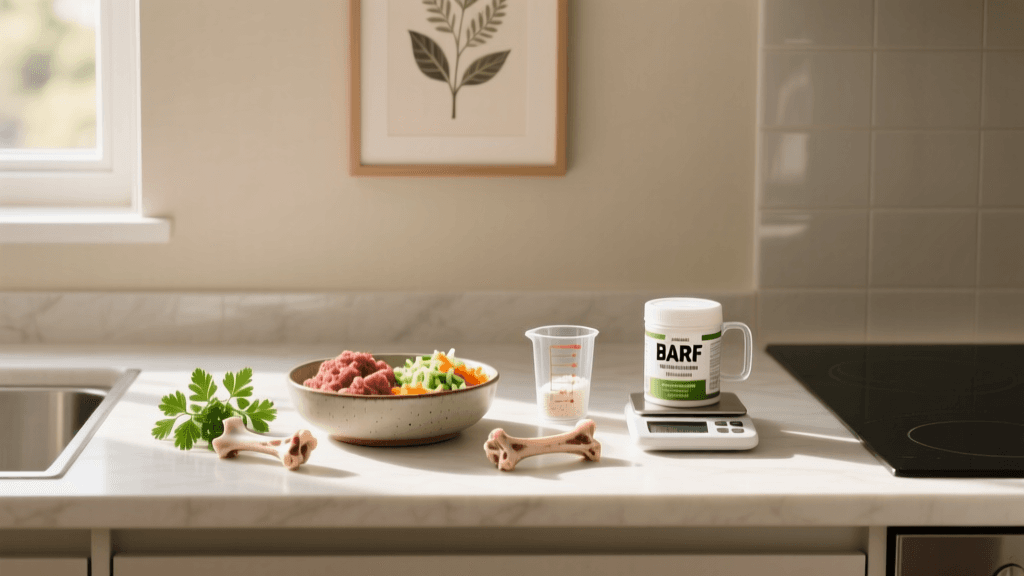
Balancing Calcium Phosphorus In Raw Dog Diets: 2026 Guide
Learn how to balance calcium and phosphorus ratios in raw BARF diets for dogs in 2026. Includes bone meal alternatives, meal prep tips, and safety data.
The Evolution of Raw Feeding in 2026
As we navigate the evolving landscape of canine nutrition in 2026, the popularity of raw, fresh, and biologically appropriate raw food (BARF) diets continues to surge. Dog owners are increasingly seeking whole-food alternatives to ultra-processed kibble, driven by a desire for improved digestion, shinier coats, and better overall vitality. However, with the rise of homemade meal preparation comes a significant responsibility: ensuring complete and balanced nutrition. The most critical, and frequently misunderstood, aspect of formulating a raw diet is achieving the correct calcium-to-phosphorus (Ca:P) ratio.
While the availability of heavy-metal-tested bone meals, precision digital scales, and advanced formulation software has made home-preparation safer than ever this year, the fundamental biology of the canine digestive tract remains unchanged. Feeding an improper Ca:P ratio can lead to severe metabolic bone diseases, making it imperative for raw feeders to understand the science, sources, and practical application of these vital minerals.
The Biochemistry of the Ca:P Ratio
In a natural, wild setting, canines consume whole prey, which inherently provides a balanced intake of calcium (from bones) and phosphorus (from muscle meat and organs). The ideal Ca:P ratio for adult dogs ranges from 1:1 to 1.3:1, meaning there should be slightly more calcium than phosphorus in the diet.
Phosphorus is abundant in almost all muscle meats and organ meats. If you feed a diet consisting solely of boneless chicken breast, beef chunks, and liver, the phosphorus levels will skyrocket while calcium remains virtually nonexistent. When blood phosphorus levels rise, the canine body releases parathyroid hormone (PTH) to compensate. PTH pulls calcium from the dog's own skeletal system to restore blood homeostasis. Over time, this results in nutritional secondary hyperparathyroidism, a painful and debilitating condition characterized by brittle bones, spontaneous fractures, and mobility issues.
Therefore, adding a bioavailable source of calcium to balance the phosphorus in muscle meat is not optional; it is the cornerstone of safe raw feeding.
Current Veterinary Perspectives and Guidelines
In 2026, veterinary nutritionists emphasize evidence-based formulation over guesswork. Organizations like the World Small Animal Veterinary Association (WSAVA) consistently advocate for diets that meet the rigorous standards set by the National Research Council (NRC) or the Association of American Feed Control Officials (AAFCO). While many veterinarians express caution regarding raw diets due to pathogen risks—as noted in the FDA's guidelines on raw pet food—the nutritional adequacy of the diet remains a parallel concern.
The American Veterinary Medical Association (AVMA) also highlights the dangers of unbalanced homemade diets, particularly for growing puppies and senior dogs. To mitigate these risks, modern raw feeders are moving away from the 'prey model' guesswork and adopting precise weight-based measurements, often consulting with board-certified veterinary nutritionists to validate their recipes.
Evaluating Calcium Sources for Raw Diets
Choosing the right calcium source depends on your dog's chewing style, age, and specific health needs. Below are the primary calcium sources utilized in 2026 raw feeding communities.
1. Raw Meaty Bones (RMBs)
Feeding whole, raw, edible bones (like chicken necks, duck feet, or rabbit carcasses) is the most traditional method. RMBs provide calcium, phosphorus, and trace minerals in their natural matrix. However, they carry risks of dental fractures, choking, and gastrointestinal impaction, particularly in dogs that 'gulp' their food. Furthermore, the exact calcium yield of a specific bone can vary wildly depending on the animal it came from, making precise mathematical balancing difficult.
2. Eggshell Powder
For dogs that cannot safely chew bones, or for owners who require exact measurements, finely ground eggshell powder is a gold standard. Eggshells are composed of roughly 38% calcium carbonate. When dried and ground into a fine micro-powder, it is highly bioavailable and contains virtually zero phosphorus. In 2026, many commercial fresh-food companies use eggshell powder as their primary calcium supplement due to its consistency and low risk of heavy metal contamination.
3. Bone Meal
Bone meal is made from steamed and ground animal bones. It provides both calcium and phosphorus (usually in a 2:1 ratio). While convenient, the primary concern in recent years has been the potential for lead and heavy metal accumulation. If using bone meal, it is critical to purchase from suppliers that provide third-party Certificates of Analysis (COA) verifying heavy metal safety.
4. Synthetic Calcium Supplements
Calcium carbonate and calcium citrate are highly concentrated, phosphorus-free alternatives. Calcium citrate is often preferred for dogs with lower stomach acid or those prone to certain types of urinary stones, as it does not require an acidic stomach environment for absorption.
Calcium Yield Comparison Table
When formulating a batch of fresh food, precision is paramount. The following table outlines the approximate calcium yield of common supplements used to balance 1 pound (454g) of boneless muscle meat, which contains roughly 90mg of calcium and 900mg of phosphorus.
| Calcium Source | Amount Required (per 1lb meat) | Calcium Yield (mg) | Phosphorus Content | Best For |
|---|---|---|---|---|
| Eggshell Powder | 1/2 teaspoon (approx. 1.5g) | ~550 mg | Negligible | Precision meal prep, dogs prone to urinary stones |
| Bone Meal (High Quality) | 1 teaspoon (approx. 3g) | ~700 mg | ~350 mg | Owners wanting natural trace minerals |
| Calcium Carbonate Powder | 1/2 teaspoon (approx. 1.2g) | ~480 mg | None | Dogs with food allergies to poultry/eggs |
| Raw Chicken Necks (Edible Bone) | ~2 to 2.5 ounces (varies) | ~500 - 600 mg | ~300 mg | Aggressive chewers, traditional BARF feeders |
Step-by-Step: Formulating a 1000g Balanced Batch
To illustrate how these concepts apply in the kitchen, let us formulate a basic 1000-gram batch of fresh food for an adult dog, utilizing eggshell powder for precise calcium balancing.
- Muscle Meat (70%): 700g of lean ground turkey or beef. (Provides high-quality protein and the bulk of the dietary phosphorus).
- Secreting Organs (10%): 50g of raw beef liver and 50g of raw kidney. (Essential for Vitamin A, copper, and B vitamins).
- Plant Matter / Fiber (10%): 100g of pureed broccoli and blueberries. (Provides antioxidants, manganese, and gut-friendly fiber).
- Calcium Source: Since we are using 700g of boneless meat and 100g of organs (total 800g of meat/organs), we need to balance the phosphorus. Using the eggshell powder guideline, we will add exactly 1.5 teaspoons of finely ground eggshell powder to the batch, yielding roughly 1600mg of highly bioavailable calcium, perfectly offsetting the phosphorus load.
- Omega-3 Fatty Acids: 2 pumps of wild-caught Alaskan salmon oil (added fresh at mealtime, not during batch prep, to prevent oxidation).
Note: This is a foundational example. Long-term feeding requires rotation of proteins and the inclusion of specific trace minerals like zinc, iodine, and vitamin E, which are notoriously difficult to source from whole foods alone and often require a comprehensive canine multivitamin.
Common Mistakes to Avoid in 2026
Even well-intentioned dog owners can fall into nutritional traps when preparing alternative diets. Avoid these common pitfalls:
- Using Kelp for Calcium: Many outdated internet forums suggest using kelp or seaweed as a calcium source. While kelp contains some calcium, it is astronomically high in iodine. Feeding enough kelp to meet a dog's calcium requirements will result in severe iodine toxicity and thyroid dysfunction.
- Ignoring the Vitamin D Connection: Calcium absorption is heavily dependent on adequate Vitamin D levels. Dogs cannot synthesize Vitamin D from sunlight like humans do; it must be obtained through the diet (e.g., sardines, egg yolks, or supplements). If your diet lacks Vitamin D, your carefully measured calcium will not be properly absorbed.
- Feeding Cooked Bones: Never attempt to balance a home-cooked diet using bone meal made from roasted or boiled bones. Cooking alters the crystalline structure of the bone, making it brittle, indigestible, and highly prone to causing fatal gastrointestinal perforations.
- Neglecting Regular Bloodwork: The only way to truly verify that your homemade raw diet is meeting your dog's physiological needs is through annual or bi-annual veterinary blood panels, including a complete metabolic profile and specific micronutrient testing.
Conclusion: Embracing Precision in Fresh Feeding
The raw and fresh diet movement in 2026 is characterized by a shift from casual experimentation to rigorous, science-backed nutrition. Balancing the calcium-to-phosphorus ratio is the most vital step in ensuring your dog thrives on a homemade diet. By utilizing precise measurements, selecting high-quality, tested calcium sources like eggshell powder or certified bone meal, and maintaining an open dialogue with a veterinary nutritionist, you can safely provide the myriad benefits of a whole-food diet while protecting your dog's skeletal and metabolic health for years to come.
jonas-cole
All our authors care for dogs every day — read more of their work on the authors page.