Science-Backed Joint Care: Green-Lipped Mussel vs Glucosamine
Explore the science of Green-Lipped Mussel vs Glucosamine for dog joint care. Learn exact dosages, efficacy data, and top supplement tips for osteoarthritis.
The Science of Canine Osteoarthritis
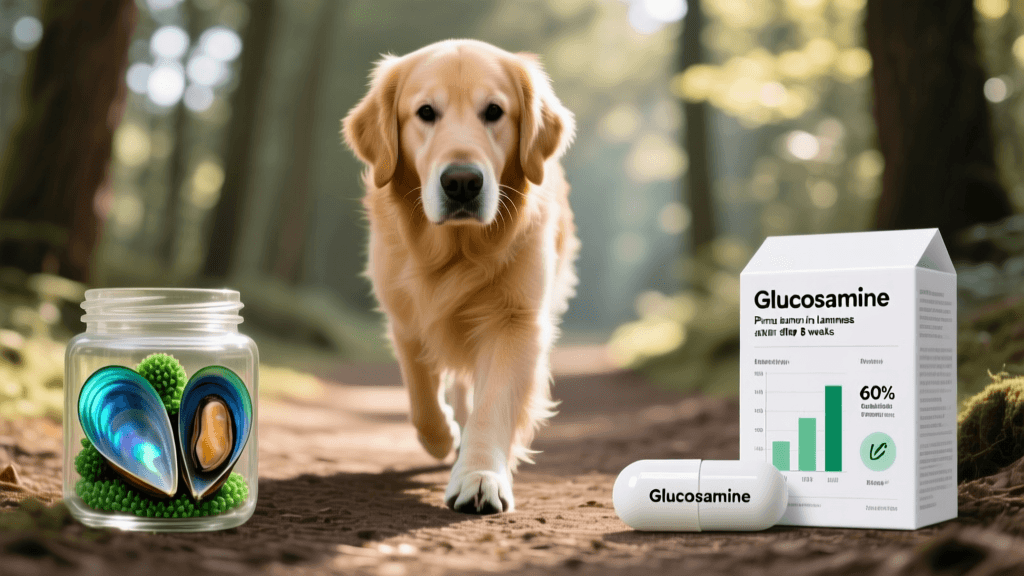
Osteoarthritis (OA) is a progressive, degenerative joint disease that affects an estimated 20% to 25% of adult dogs, and up to 80% of senior canines. As pet owners seek ways to maintain their companions' mobility and quality of life, the supplement aisle can feel overwhelmingly complex. Two of the most heavily marketed joint supplements are Glucosamine and Green-Lipped Mussel (GLM). But which one actually works? In this article, we dive deep into the science-backed insights of canine joint care, comparing the biochemical efficacy, bioavailability, and clinical outcomes of traditional glucosamine against the emerging marine powerhouse, New Zealand Green-Lipped Mussel.
According to the American College of Veterinary Surgeons (ACVS), osteoarthritis is characterized by the breakdown of articular cartilage, inflammation of the synovial membrane, and structural changes in the underlying bone. Unlike acute injuries, OA is a chronic inflammatory condition. The pain and stiffness your dog experiences are not just a result of mechanical 'wear and tear,' but rather an active biochemical cascade where inflammatory cytokines accelerate cartilage degradation. Understanding this inflammatory pathway is crucial because it dictates why certain supplements work better than others. Traditional approaches focused solely on providing cartilage building blocks, while modern veterinary science emphasizes the need to modulate the inflammatory response simultaneously.
Glucosamine and Chondroitin: The Traditional Standard
For decades, glucosamine hydrochloride (HCl) and glucosamine sulfate have been the gold standard for canine joint supplements. Glucosamine is an amino sugar that serves as a primary precursor for glycosaminoglycans (GAGs), which are major structural components of joint cartilage and synovial fluid. Chondroitin sulfate is frequently added to the formulation to inhibit the specific enzymes that break down cartilage matrix.
The Bioavailability Problem
While the theoretical mechanism of glucosamine is scientifically sound, clinical studies have shown highly mixed results in both human and veterinary medicine. The primary issue with oral glucosamine is its pharmacokinetics. When ingested, a significant portion of the compound is metabolized by the liver and gut bacteria before it ever reaches the systemic circulation, let alone the avascular joint cartilage. Furthermore, standard glucosamine does not possess strong intrinsic anti-inflammatory properties. It acts more as a passive structural substrate than an active modulator of joint inflammation, which is why many dogs with advanced OA show minimal improvement on glucosamine alone.
Green-Lipped Mussel (GLM): The Omega-3 Powerhouse
New Zealand Green-Lipped Mussel (Perna canaliculus) has emerged as a highly effective, science-backed alternative to traditional joint supplements. Unlike standard fish oil, which primarily contains EPA and DHA, GLM contains a highly unique profile of over 90 different fatty acids, including the rare Eicosatetraenoic acid (ETA).
The Mechanism of ETA and Furan Fatty Acids
ETA is a rare omega-3 fatty acid that acts as a dual-inhibitor of both the cyclooxygenase (COX) and lipoxygenase (LOX) inflammatory pathways. By blocking the LOX pathway, GLM prevents the formation of leukotrienes, which are potent drivers of joint inflammation, swelling, and pain. Additionally, GLM naturally contains chondroitin sulfate, zinc, and amino acids, providing both the structural building blocks of cartilage and the anti-inflammatory modulation required to halt its degradation. Research highlighted by institutions like the Texas A&M College of Veterinary Medicine supports the use of omega-3 rich diets and specific marine supplements to manage chronic inflammation in arthritic pets, noting that targeted marine-derived lipids can significantly reduce a dog's reliance on pharmaceutical NSAIDs.
Head-to-Head Comparison: GLM vs. Glucosamine
| Feature | Glucosamine + Chondroitin | Green-Lipped Mussel (GLM) |
|---|---|---|
| Primary Mechanism | Provides structural substrates for cartilage repair. | Dual-action: structural substrates + active COX/LOX inflammation inhibition. |
| Bioavailability | Moderate to Low (heavy first-pass liver metabolism). | High (lipid-soluble omega-3s easily cross cell membranes). |
| Onset of Action | 4 to 8 weeks of daily loading doses. | 2 to 4 weeks for noticeable mobility improvement. |
| Average Monthly Cost | $20 - $40 (for a 50 lb dog) | $30 - $60 (for a 50 lb dog) |
| Scientific Backing | Mixed clinical outcomes; heavily debated efficacy. | Strong clinical evidence for ETA-driven pain reduction. |
Actionable Protocols: Dosages, Timing, and Costs
To see real, measurable results in your dog's mobility, you must administer these supplements at therapeutic, weight-based doses. The American Kennel Club (AKC) emphasizes that not all supplements are created equal, and proper dosing is critical for efficacy. Underdosing is the most common reason owners report that joint supplements 'do not work.'
Glucosamine Dosing Protocol
- Loading Dose (First 4 Weeks): 20 mg per kg of body weight daily. For a 50 lb (22.7 kg) dog, this equals roughly 450 mg to 500 mg daily.
- Maintenance Dose: 10 mg per kg of body weight daily.
- Timing: Administer with food to minimize gastrointestinal upset. Split the dose into morning and evening administrations to maintain steady blood levels.
- Formulation Note: Look for Glucosamine HCl rather than Glucosamine Sulfate, as the HCl form generally offers better stability and absorption in canine digestive tracts.
Green-Lipped Mussel Dosing Protocol
- Therapeutic Dose: 50 mg to 100 mg per kg of body weight daily, depending on the concentration of the extract. For a 50 lb dog, aim for 1000 mg to 1500 mg daily.
- Timing: Must be administered with a fat-containing meal (like your dog's regular dinner) to maximize the absorption of the lipid-soluble ETA and omega-3 fatty acids.
- Formulation Note: Always choose freeze-dried or cold-extracted oil GLM supplements. Heat processing destroys the delicate furan fatty acids and ETA, rendering the supplement virtually useless for inflammation control.
How to Read a Supplement Label
When shopping for joint care, ignore the flashy marketing on the front of the bottle and turn straight to the 'Guaranteed Analysis' on the back. Ensure the product lists the exact milligram (mg) count of active ingredients per serving. Avoid 'proprietary blends,' which hide the fact that the manufacturer may be using mostly cheap fillers with only trace amounts of the active GLM or glucosamine. Furthermore, look for products that carry the National Animal Supplement Council (NASC) Quality Seal, which indicates the manufacturer has passed a third-party audit for safety and label accuracy.
Integrating Supplements into a Multimodal Care Plan
While science-backed supplements like Green-Lipped Mussel and Glucosamine are powerful tools, they are not magic bullets. Veterinary behaviorists and orthopedic specialists universally recommend a 'multimodal' approach to canine osteoarthritis. This means combining nutritional supplements with other evidence-based interventions.
1. Weight Management: This is the single most effective intervention for OA. Carrying just 10% of excess body weight can exponentially increase the mechanical load on a dog's joints and exacerbate systemic inflammation produced by adipose (fat) tissue. Keep your dog at a lean body condition score (BCS of 4 or 5 out of 9).
2. Controlled Exercise: Replace weekend warrior hikes with consistent, low-impact daily exercise. Swimming, underwater treadmills, and structured leash walks on flat terrain help build the muscle mass required to support degenerating joints without causing micro-trauma.
3. Environmental Modifications: Invest in orthopedic dog beds featuring memory foam (at least 4 inches thick for large breeds) to relieve joint pressure during sleep. Use slip-resistant rugs on hardwood floors and provide ramps for vehicle or couch access to prevent acute joint strain.
By understanding the biochemical differences between traditional cartilage builders and modern marine-derived anti-inflammatories, you can make an informed, science-backed decision for your dog's joint care. Whether you choose the structural support of high-quality glucosamine or the dual-action inflammation control of Green-Lipped Mussel, consistency, therapeutic dosing, and a multimodal veterinary approach are the true keys to keeping your dog moving happily for years to come.
aaron-whyte
All our authors care for dogs every day — read more of their work on the authors page.