Golden Retriever vs Labrador: Choosing Your Family Dog
Deciding between a Golden Retriever and a Labrador? Compare temperament, exercise needs, grooming, and health to choose the perfect family dog.

The Ultimate Family Dog Dilemma
When families decide to bring a four-legged companion into their home, two breeds consistently rise to the top of the list: the Golden Retriever and the Labrador Retriever. Both are renowned for their loyalty, intelligence, and gentle dispositions. However, despite their similarities, these two iconic breeds possess distinct characteristics that can make one a better fit for your specific lifestyle than the other. Whether you live in a bustling suburban neighborhood with a fenced yard or an active rural property, understanding the nuanced differences between a Golden Retriever and a Labrador is crucial for a harmonious match. In this comprehensive guide, we will break down everything from temperament and exercise requirements to grooming needs and long-term health profiles, ensuring you make an informed, confident decision.
Breed Profiles at a Glance
The Golden Retriever
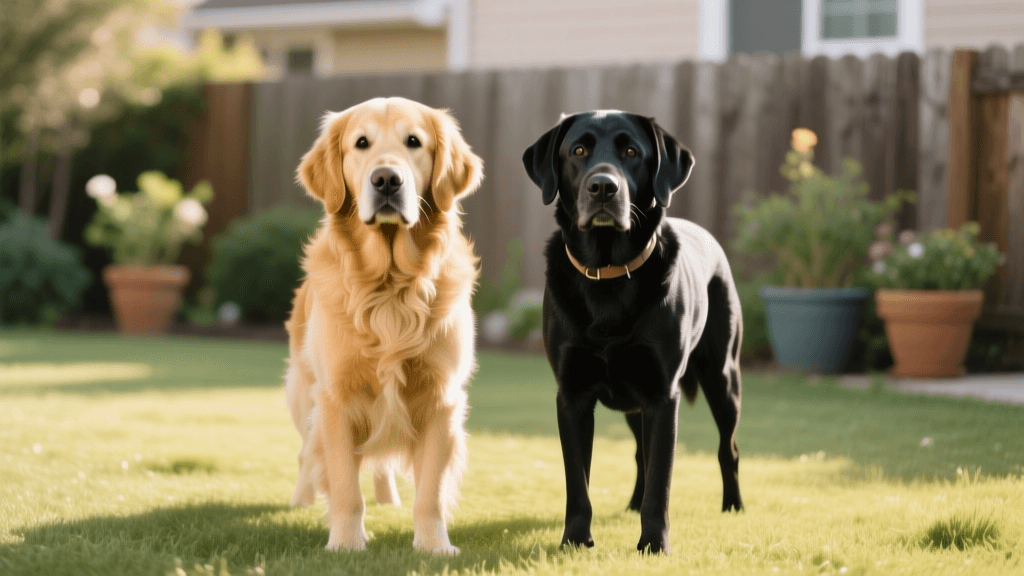
Originally bred in the Scottish Highlands during the 19th century to retrieve waterfowl during hunting, the Golden Retriever is a sturdy, muscular dog known for its dense, lustrous golden coat. According to the American Kennel Club (AKC), Goldens are eager to please, highly trainable, and possess a famously "soft mouth," meaning they can carry objects—like a raw egg—without breaking them. They typically stand 21.5 to 24 inches tall at the shoulder and weigh between 55 and 75 pounds. Their elegant build and feathery tails give them a regal yet approachable appearance.
The Labrador Retriever
Despite their name, Labrador Retrievers actually originated in Newfoundland, Canada, where they worked alongside fishermen to haul nets and catch escaped fish. Later refined in England, the Lab is a robust, athletic breed with a short, water-resistant double coat. The AKC notes that Labs are incredibly versatile, serving as service dogs, search-and-rescue canines, and beloved family pets. They are slightly stockier than Goldens, standing 21.5 to 24.5 inches tall and weighing anywhere from 55 to 80 pounds. Their "otter-like" tail acts as a powerful rudder in the water, highlighting their aquatic heritage.
Head-to-Head Comparison Chart
| Feature | Golden Retriever | Labrador Retriever |
|---|---|---|
| Average Weight | 55 - 75 lbs | 55 - 80 lbs |
| Coat Type | Long, feathery, dense double coat | Short, hard, water-resistant double coat |
| Energy Level | High (Requires 60+ mins daily) | Very High (Requires 60-90+ mins daily) |
| Shedding | Heavy year-round, seasonal blows | Moderate year-round, heavy seasonal blows |
| Trainability | Exceptional (Eager to please) | Exceptional (Highly food/handle motivated) |
| Lifespan | 10 - 12 years | 11 - 13 years |
Temperament and Personality
Both breeds are famously friendly, outgoing, and devoid of aggressive guarding instincts, making them notoriously poor guard dogs but exceptional family companions. However, their energy expressions differ slightly. Golden Retrievers tend to mature a bit faster and are often described as "softer" or more sensitive dogs. They thrive on gentle praise and can be deeply affected by harsh tones or chaotic household environments. They are the quintessential gentle playmates for toddlers and tend to stick close to their owner's side.
Labrador Retrievers, on the other hand, are often the life of the party. They are boisterous, exuberant, and notoriously clumsy in their puppyhood and adolescent years (which can last up to three years). Labs are highly resilient and can handle the loud noises, sudden movements, and roughhousing of a busy household with multiple children. If you have a chaotic, loud, and highly active home, a Labrador's thick skin and boundless enthusiasm might be a better match. If you prefer a slightly more serene, attentive, and emotionally intuitive companion, the Golden Retriever is likely your ideal breed.
Exercise and Training Needs
Neither the Golden nor the Labrador is a couch potato; both are sporting breeds that require rigorous daily exercise to prevent destructive behaviors like chewing furniture or excessive barking. A minimum of 60 minutes of vigorous exercise is required for both breeds, but Labs often need closer to 90 minutes, especially during their first three years of life.
- Physical Exercise: Both breeds love swimming, hiking, and playing fetch. A Lab might require a more intense game of fetch or a longer run to tire them out, whereas a Golden may be satisfied with a long, sniff-heavy hike and a moderate game of retrieval.
- Mental Stimulation: Because Labs are highly food-motivated, puzzle toys like the Kong Classic or Outward Hound Nina Ottosson puzzles are essential to keep their minds engaged. Goldens respond beautifully to advanced obedience training, agility courses, and learning complex tricks to satisfy their mental cravings.
- Trainability: Both breeds rank among the top 5 most intelligent dog breeds. However, Labs can be easily distracted by scents and food, requiring a firm, consistent hand and high-value treats during early training. Goldens are generally more focused on their handler's approval, making off-leash training slightly easier in open environments.
Grooming and Shedding
If you despise dog hair on your furniture, neither breed is for you—both are prolific shedders. However, the type of grooming they require is vastly different. Golden Retrievers possess a longer, flowing coat with heavy feathering on their legs, chest, and tail. This coat requires brushing at least three to four times a week to prevent painful mats and tangles. Additionally, Goldens require professional grooming or careful at-home trimming every 8 to 10 weeks to maintain hygiene around their paws, ears, and sanitary areas.
Labrador Retrievers have a short, dense double coat that feels slightly coarse to the touch. While they do not require professional haircuts, they shed profusely. During their bi-annual "coat blow" in the spring and fall, a Lab will shed enough fur to build a second dog. Weekly brushing with a slicker brush or a deshedding tool like the Furminator is mandatory. Baths are easier to manage for Labs due to their shorter coat, and their natural oils repel water and dirt effectively, meaning they generally require fewer trips to the grooming salon compared to Goldens.
Health and Lifespan
Both breeds share common genetic predispositions to orthopedic issues such as hip and elbow dysplasia, as well as certain eye conditions like progressive retinal atrophy (PRA). Responsible breeders will always provide Orthopedic Foundation for Animals (OFA) certifications for the parent dogs to mitigate these risks.
Where the breeds diverge is in their long-term systemic health risks. Golden Retrievers have a notoriously high incidence of cancer. According to the Morris Animal Foundation's Golden Retriever Lifetime Study, approximately 60% of Golden Retrievers will develop cancer in their lifetime, significantly impacting their average lifespan of 10 to 12 years. This is a heartbreaking reality that prospective owners must be financially and emotionally prepared for.
Labrador Retrievers generally live slightly longer, averaging 11 to 13 years, and have lower overall cancer rates. However, Labs are notoriously food-driven and prone to obesity. A mutated gene found in many Labs (the POMC gene) impairs their ability to feel full, meaning they will eat until they are sick if given the chance. Owners must strictly measure their Lab's food intake and limit treats to prevent obesity-related joint and cardiac issues.
The Financial Commitment
Owning a large sporting breed is a significant financial investment. Here is a breakdown of what you can expect to spend:
- Initial Purchase: A well-bred puppy from a reputable breeder will cost between $1,500 and $3,000. Adoption from a breed-specific rescue typically ranges from $300 to $600.
- Food: Expect to spend $60 to $100 per month on high-quality, large-breed kibble (such as Purina Pro Plan Sport or Royal Canin Sporting Life Trail), as both breeds consume 3 to 4 cups daily.
- Grooming: Budget $50 to $80 per session for a Golden Retriever every two months. Labs can be bathed at home, saving hundreds of dollars annually.
- Preventative Vet Care: Heartworm prevention, flea/tick medication, and annual exams will cost roughly $400 to $600 annually for a dog of this size.
Making the Final Decision
Ultimately, the choice between a Golden Retriever and a Labrador Retriever comes down to your household's lifestyle, grooming tolerance, and emotional readiness. If you want a sensitive, deeply devoted shadow who enjoys a mix of outdoor adventure and quiet evenings on the rug, and you don't mind the commitment of regular coat brushing, the Golden Retriever is an unparalleled companion. If your home is loud, active, and full of children, and you prefer a resilient, low-maintenance coat with a dog that is always ready for a vigorous game of fetch, the Labrador Retriever will seamlessly integrate into your chaotic, joyful life. Whichever you choose, you are welcoming one of the most loving, capable, and historically significant family dogs into your heart and home.
jonas-cole
All our authors care for dogs every day — read more of their work on the authors page.