GLM vs Glucosamine: Best Dog Joint Supplements in 2026
Discover whether green-lipped mussel or glucosamine is the best joint supplement for your senior dog in 2026. Compare benefits, costs, and vet advice.
The Rising Challenge of Canine Osteoarthritis in 2026
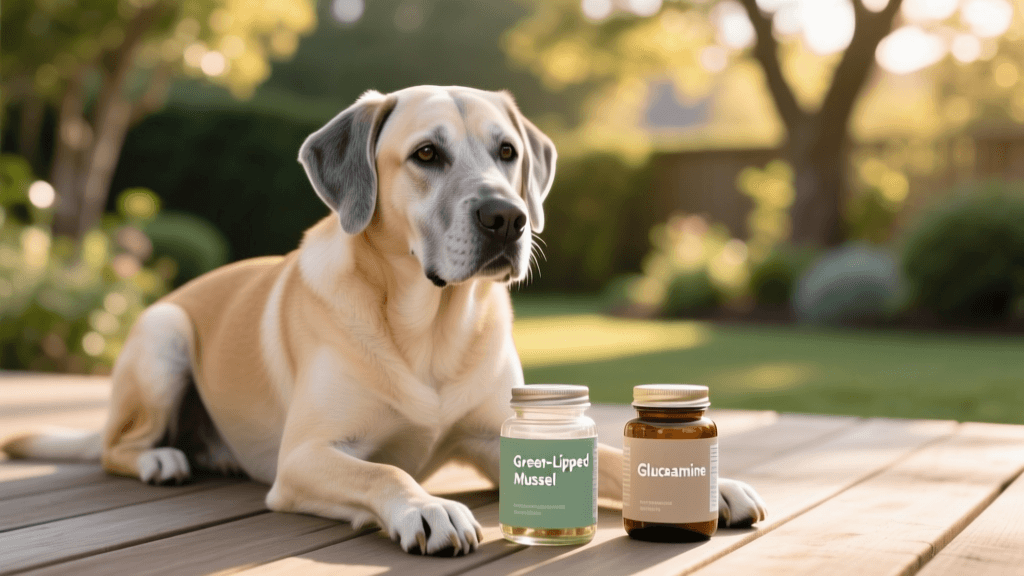
As veterinary medicine advances and our canine companions live longer than ever before, joint health has become a paramount concern for pet owners. According to the American College of Veterinary Surgeons, osteoarthritis (OA) is a degenerative joint disease that affects an estimated 20% to 25% of all adult dogs, with that number climbing significantly in senior and large-breed dogs. In 2026, the market for canine joint supplements has expanded dramatically, but two ingredients continue to dominate the veterinary nutrition space: Glucosamine and Green-Lipped Mussel (GLM).
For owners of aging Golden Retrievers, German Shepherds, and Labrador Retrievers, choosing the right supplement is no longer just about picking a brand off the shelf; it is about understanding the biochemical pathways of inflammation and cartilage repair. This comprehensive guide breaks down the science, efficacy, and 2026 market costs of GLM versus Glucosamine to help you make the best decision for your dog's mobility.
Glucosamine: The Traditional Cartilage Builder
Glucosamine is an amino sugar naturally produced and distributed in the body. It serves as a fundamental building block for glycosaminoglycans (GAGs), which are essential components of articular cartilage and synovial fluid. When a dog's joints undergo the daily wear and tear of walking, running, and playing, the cartilage matrix degrades. Supplementing with glucosamine aims to provide the raw materials necessary to slow this degradation and stimulate the production of new cartilage tissue.
Forms of Glucosamine
- Glucosamine Hydrochloride (HCl): Highly concentrated and easily absorbed, though often considered slightly less stable in the digestive tract.
- Glucosamine Sulfate: The most widely researched form in both human and veterinary medicine. The sulfur molecule is critical for the synthesis of connective tissue, making this the preferred choice among veterinary orthopedists in 2026.
While glucosamine is excellent for structural support, its primary limitation is that it does not directly address the acute inflammatory pathways that cause the pain and stiffness associated with osteoarthritis. This is why it is almost always paired with chondroitin sulfate and MSM (methylsulfonylmethane) in modern formulations.
Green-Lipped Mussel (GLM): The Omega-3 Powerhouse
Sourced primarily from the pristine coastal waters of New Zealand, the Green-Lipped Mussel (Perna canaliculus) has seen a massive surge in veterinary recommendations over the last few years. Unlike standard fish oils that contain EPA and DHA, GLM contains a rare, unique omega-3 fatty acid called eicosatetraenoic acid (ETA).
The ETA Advantage
ETA works by inhibiting the 5-lipoxygenase (5-LOX) pathway. In simple terms, this blocks the production of leukotrienes, which are inflammatory mediators that cause swelling, pain, and joint degradation. Because GLM targets the root cause of joint inflammation rather than just masking the pain, it has become a favorite among holistic and integrative veterinarians in 2026.
Furthermore, GLM is a whole-food supplement. It naturally contains a complex matrix of glycosaminoglycans, zinc, magnesium, and amino acids. This means you are getting both the structural building blocks of glucosamine and the potent anti-inflammatory properties of ETA in a single, bioavailable source.
Head-to-Head Comparison: Glucosamine vs. GLM (2026 Data)
| Feature | Glucosamine Complex | Green-Lipped Mussel (GLM) |
|---|---|---|
| Primary Mechanism | Provides structural building blocks for cartilage and synovial fluid. | Inhibits inflammatory pathways (5-LOX) while providing natural GAGs. |
| Onset of Action | Slow (4 to 8 weeks for noticeable mobility improvement). | Moderate (2 to 4 weeks for reduced stiffness and pain). |
| Best Suited For | Preventative care in working dogs and structural joint support. | Senior dogs with active inflammation, pain, and severe OA. |
| Allergen Risk | Low (often derived from shellfish shells or corn). | High (strictly contraindicated for dogs with shellfish allergies). |
| Avg. Monthly Cost (70lb Dog) | $25 - $40 USD | $35 - $55 USD |
Expert Veterinary Perspectives on Joint Health
When managing chronic conditions like osteoarthritis, veterinary professionals emphasize a multimodal approach. Supplements are rarely a silver bullet on their own but are critical components of a broader wellness strategy that includes weight management, physical therapy, and prescription medications when necessary.
"In 2026, we no longer view joint supplements as merely optional add-ons; they are foundational to the chronic pain management protocols for senior dogs. While glucosamine remains a reliable structural support, the introduction of Green-Lipped Mussel into our therapeutic arsenal has allowed us to reduce reliance on NSAIDs for dogs with mild to moderate inflammation."
— Consensus from integrative veterinary orthopedic guidelines
The American Kennel Club similarly notes that maintaining a healthy weight is the single most effective way to reduce joint stress, but highlights that omega-3 rich supplements like GLM can significantly improve the quality of life for dogs already showing signs of mobility loss. Always look for supplements that carry the National Animal Supplement Council (NASC) Quality Seal, which ensures the product has passed rigorous third-party testing for heavy metals, contaminants, and label accuracy.
How to Administer and Transition Supplements
If you are introducing a joint supplement to your dog's regimen in 2026, proper dosing and administration are crucial for efficacy.
The Loading Dose Strategy
Both glucosamine and GLM require a "loading dose" for the first four to six weeks. This typically means giving your dog double the standard maintenance dose to saturate the joint tissues and synovial fluid. Skipping the loading phase is the most common reason pet owners mistakenly conclude that a supplement "isn't working."
Dietary Integration
- Powder vs. Chew: GLM is highly sensitive to heat and oxidation. In 2026, veterinary nutritionists strongly recommend purchasing GLM in freeze-dried powder form rather than soft chews, as the manufacturing process of baking chews can degrade the delicate ETA fatty acids.
- Fat Pairing: Because the active omega-3s in GLM are fat-soluble, always sprinkle the powder over a meal that contains a healthy fat source (like a dash of salmon oil or coconut oil) to maximize intestinal absorption.
- Consistency is Key: Joint supplements must be given daily. The half-life of these compounds in the canine body is short, and missing doses will lead to a rapid return of inflammatory markers in the joint capsule.
The Final Verdict: Which Should You Choose?
The choice between Green-Lipped Mussel and Glucosamine ultimately depends on your dog's specific clinical picture, age, and primary symptoms.
Choose Glucosamine if: Your dog is young, highly active, or a working breed (like a Border Collie or Belgian Malinois) and you are looking for a preventative measure to support cartilage integrity before signs of degradation appear. It is also the safer choice if your dog has a known history of seafood or shellfish allergies.
Choose Green-Lipped Mussel if: Your senior dog is already exhibiting signs of stiffness, pain, or reluctance to jump and climb stairs. GLM's dual-action approach—providing both structural GAGs and potent, natural anti-inflammatory ETA—makes it the superior choice for managing active osteoarthritis and improving daily comfort without the gastrointestinal side effects sometimes associated with long-term NSAID use.
For the ultimate 2026 joint health protocol, many veterinary orthopedists now recommend a combined approach: a high-quality, NASC-certified glucosamine base paired with a pure, freeze-dried Green-Lipped Mussel powder to attack joint degeneration from both the structural and inflammatory angles. Consult your primary care veterinarian to establish the correct dosage based on your dog's exact weight and metabolic needs.
marcus-aldridge
All our authors care for dogs every day — read more of their work on the authors page.