The Ultimate Guide to Getting a Dog in a Small Apartment
Discover the best dog breeds for apartments, essential space-saving gear, and urban potty training tips to ensure a happy life in your small city home.

Introduction to Urban Dog Ownership
Living in a bustling city or a compact apartment does not mean you have to sacrifice the joy of dog ownership. In fact, urban dog ownership is on the rise, with millions of city dwellers sharing their small spaces with canine companions. However, getting a dog when you live in an apartment requires a strategic approach. You are not just bringing home a pet; you are introducing a new roommate to a shared, high-density environment where noise, space, and logistics are heavily regulated.
From navigating high-rise elevator rides for potty breaks to managing separation anxiety in close-quarters living, urban dog life presents unique challenges. This comprehensive guide will walk you through selecting the right breed, optimizing your limited square footage, establishing a bulletproof potty routine, and budgeting for the hidden costs of city dog ownership. Whether you are in a studio apartment or a multi-level condo, these actionable strategies will set you and your new dog up for success.
Choosing the Right Breed for Apartment Living
When selecting a dog for an apartment, size is only one piece of the puzzle. A massive Greyhound is often a better apartment dweller than a tiny, high-strung Terrier. The true metrics for apartment suitability are energy level, vocalization tendencies, and adaptability to confined spaces. According to the breed profiles maintained by the American Kennel Club (AKC), understanding a breed's historical purpose is crucial for predicting their behavior in a modern home.
You must also consider your building's specific weight restrictions and breed bans, which are common in many corporate-managed apartment complexes. If you are adopting from a shelter, look for adult dogs whose personalities are already established, rather than guessing how a puppy might turn out.
Top Apartment-Friendly Breeds at a Glance
| Breed | Average Weight | Energy Level | Vocalization | Space Needed |
|---|---|---|---|---|
| Greyhound | 60-70 lbs | Low (Sprint only) | Very Low | Low |
| Cavalier King Charles Spaniel | 12-18 lbs | Moderate | Low | Low |
| Pug | 14-18 lbs | Low to Moderate | Moderate | Very Low |
| Bichon Frise | 12-18 lbs | Moderate | Low | Low |
| English Bulldog | 40-50 lbs | Very Low | Low | Low |
Space Optimization and Apartment-Proofing
In a small apartment, every square foot counts. You need to create designated zones for your dog to rest, eat, and play without tripping over them in the kitchen or living room. Apartment-proofing also means securing hazards that are at a dog's eye level, such as low electrical outlets, toxic houseplants (like pothos or snake plants), and easily accessible trash cans.
Essential Space-Saving Gear
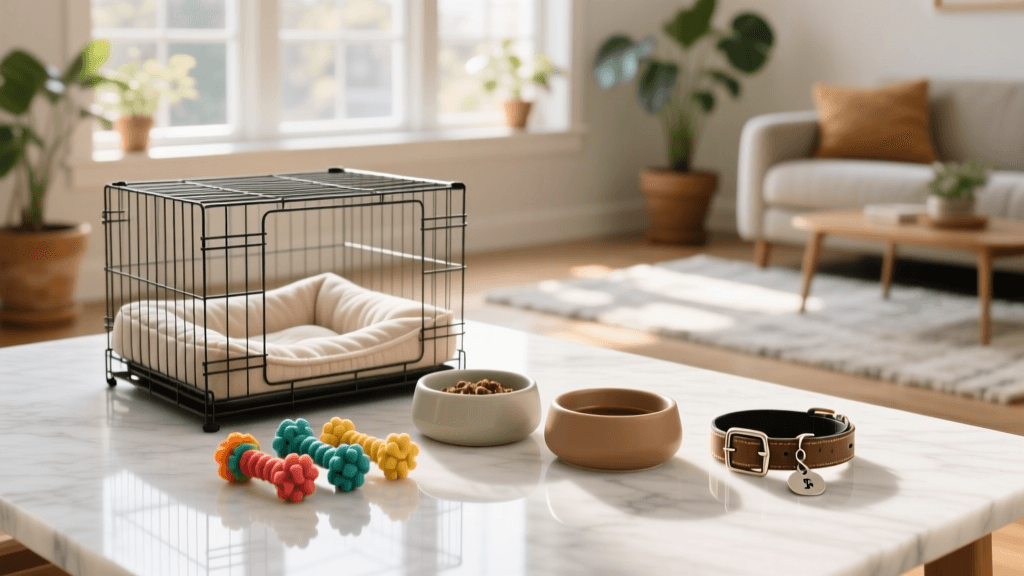
- Orthopedic Bolster Beds: Skip the massive, sprawling mattresses. Opt for a structured bolster bed like the Furhaven Pet Dog Bed (approx. $40-$60). A medium size (30x20 inches) provides a secure, den-like feeling while fitting neatly into the corner of a living room or under a desk.
- Vertical Feeding Stations: Wall-mounted or elevated bamboo bowl stands (approx. $25) save floor space and improve digestion for larger dogs by reducing neck strain.
- Interactive Mental Stimulation: Physical space is limited, so mental exercise is vital. The KONG Classic (Red, $15-$20) can be stuffed with peanut butter and frozen, providing up to 45 minutes of quiet, stationary enrichment that tires your dog out without requiring a game of indoor fetch.
- Over-the-Door Leash Hooks: Install heavy-duty adhesive or over-the-door hooks near your entryway to keep leashes, harnesses, and waste bag dispensers organized and out of the way.
The High-Rise Potty Training Strategy
The most daunting aspect of urban dog ownership is the potty break. In a suburban home, you simply open the back door. In a 14th-floor apartment, a potty break involves a leash, an elevator ride, a lobby crossing, and a busy sidewalk. This logistical hurdle requires a strict, proactive schedule.
The 'Elevator Rule' and Hallway Etiquette
Always use a standard 4-foot leash for apartment hallway and elevator transit. Retractable leashes are dangerous in tight corridors where neighbors might be turning blind corners. When the elevator arrives, command your dog to a 'sit' and 'wait' until all passengers exit before entering. In the cab, keep your dog on a short leash close to your leg to prevent them from sniffing or jumping on anxious neighbors.
Indoor Potty Solutions for Emergencies
There will be days when getting outside is impossible due to extreme weather, illness, or long work hours. Setting up an indoor potty station is a lifesaver for high-rise dwellers.
- Real Grass Delivery Services: Products like Fresh Patch or DoggieLawn deliver hydroponically grown grass in a cardboard tray. A standard 16x24 inch patch costs around $35 per month. The real grass naturally absorbs odors and trains your dog to prefer grass over indoor carpets.
- Washable Pee Pads: If grass is too messy, invest in reusable, washable pads (like the Gorilla Grip Washable Pads, $30 for a two-pack). Place them on a raised plastic tray to prevent tracking moisture onto hardwood floors.
Managing Noise and Separation Anxiety
Apartment walls are thin, and noise complaints are the leading cause of lease violations and forced surrenders for urban dog owners. A dog that barks at every footstep in the hallway or howls when left alone is not just a nuisance; they are likely experiencing severe stress. The ASPCA notes that separation anxiety is a complex behavioral issue that requires desensitization, environmental management, and sometimes veterinary intervention.
Tech and Tools for Quiet Confidence
To mitigate noise triggers and monitor your dog's stress levels, integrate the following tools into your apartment setup:
- White Noise Machines: Place a Hatch Restore or a basic Marpac Dohm white noise machine ($50-$130) near your front door or shared walls. The continuous sound masking will drown out the sound of neighbors walking, talking, or closing doors, preventing reactive barking.
- Smart Pet Cameras: The Furbo 360 Dog Camera ($150-$200) allows you to check in on your dog, receive 'bark alerts' on your phone, and remotely toss treats to redirect their attention before a barking spiral begins.
- Calming Pheromones: Plug-in diffusers like Adaptil ($25-$30) release synthetic dog-appeasing pheromones that mimic the scent of a nursing mother, scientifically proven to reduce anxiety in confined spaces.
Budgeting for Urban Dog Life
City living comes with a premium, and dog ownership in an urban environment is no exception. When calculating your budget, look beyond the basic costs of food and vet care. According to general guidelines on pet care expenses outlined by the ASPCA, urban owners must account for convenience and space-saving services.
Estimated Monthly Urban Dog Costs
- Pet Rent / Deposits: Many apartments charge $35 to $75 per month in 'pet rent,' plus a non-refundable pet deposit of $250 to $500.
- Dog Walking Services: If you work long hours in an office or have a high-floor apartment, a midday dog walker is essential. Expect to pay $20 to $30 per 30-minute walk. (Approx. $400-$600/month if used daily).
- Indoor Potty Subscriptions: $35/month for real grass delivery.
- Weekend Daycare / Adventure Hikes: Urban dogs need to escape the concrete. Weekend group hikes or daycare sessions run $45 to $75 per day.
Conclusion
Getting a dog when you live in an apartment is a deeply rewarding experience that forces you to be a more intentional, engaged, and organized owner. By carefully selecting a breed suited for close-quarters living, optimizing your space with smart gear, establishing a rigorous elevator-and-lobby potty routine, and proactively managing noise and anxiety, you can create a thriving sanctuary for your dog. City life may lack a sprawling fenced backyard, but the structured routines, frequent socialization, and deep bond you will build on urban walks more than make up for the missing square footage.
beth-carrasco
All our authors care for dogs every day — read more of their work on the authors page.